


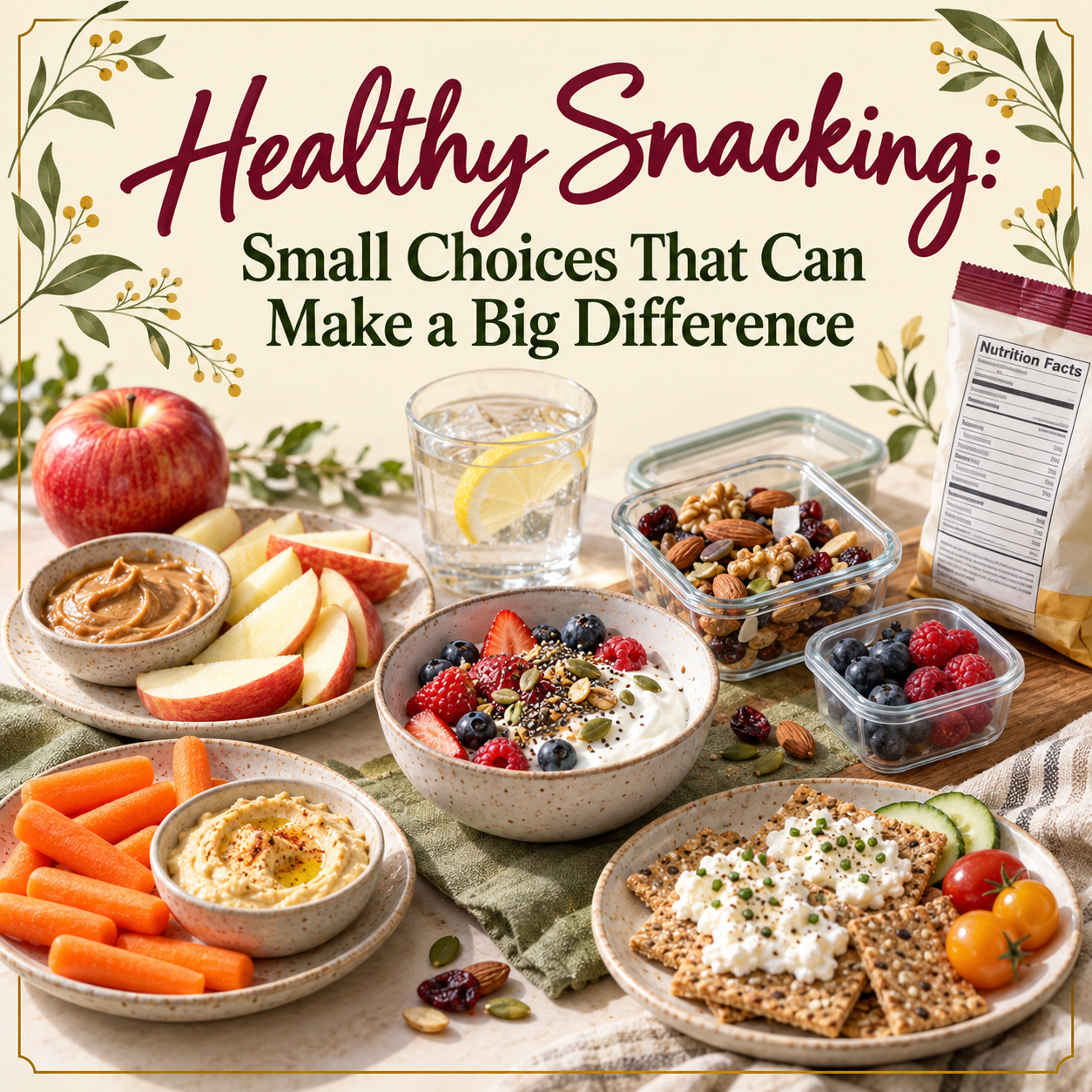
Healthy Snacking: Small Choices That Can Make a Big Difference
Healthy snacking is less about finding the perfect food and more about making thoughtful choices that support your overall eating pattern. This blog explains how pairing protein or healthy fats with fruits, vegetables, or whole grains can create more satisfying snacks. It also explores fiber, fruit, portion awareness, Nutrition Facts labels, planning ahead, exercise-related snacks, and practical options such as yogurt with berries, apples with peanut butter, carrots with hummus, and homemade trail mix.
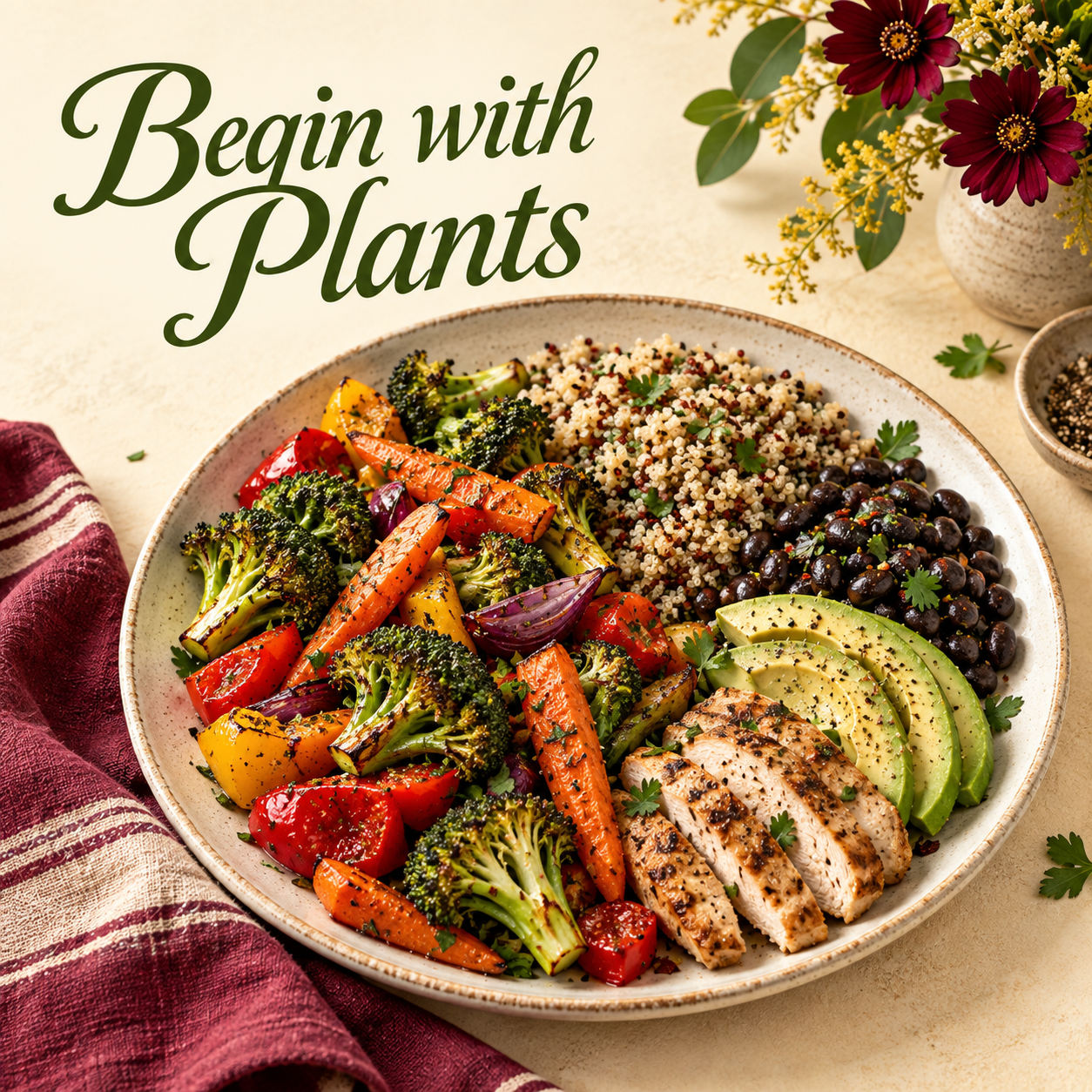
The Power of Plants
There is something remarkable about plants. They grow from the ground, reach toward the sun, and quietly provide many of the nutrients our bodies need to function, repair, and thrive. Yet in a modern food environment filled with convenience foods, large portions, and highly processed choices, many of us have gradually moved plants from the center of our meals to the side of the plate.

Eating for Healthy Aging
Aging is something every one of us experiences, but how we age is influenced by much more than the number of candles on our birthday cake. Our bodies change over time. Muscle mass can gradually decline. Bone health becomes increasingly important. Appetite may change. We may become less active, and our calorie needs may decrease even though our need for many vitamins, minerals, protein, fiber, and other nutrients remains important.
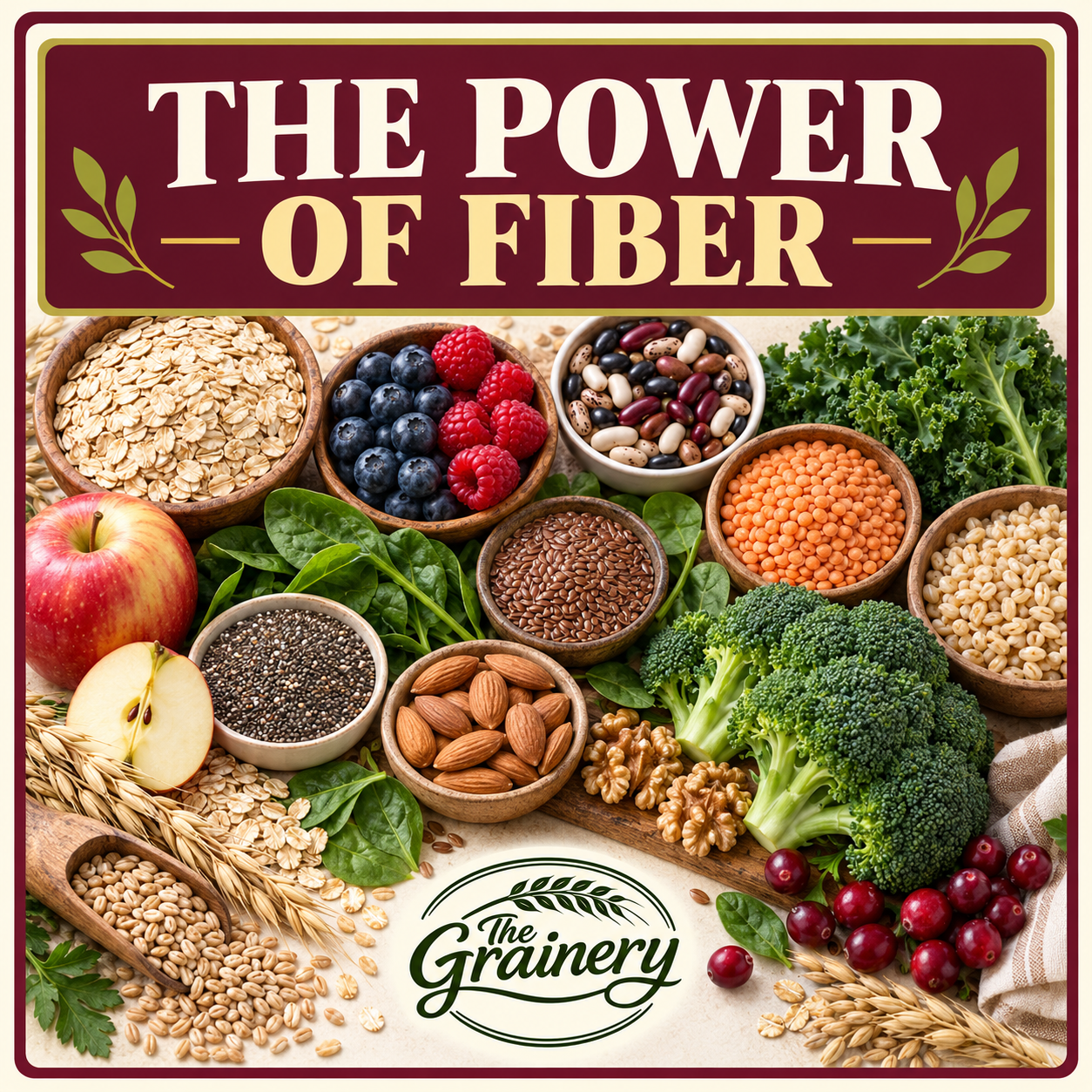
Why Fiber Matters: Simple Ways to Eat More Every Day
When people talk about nutrition, certain nutrients tend to get all the attention. Protein is discussed for building muscle. Healthy fats are praised for supporting the heart and brain. Vitamins and minerals are often the focus of supplements and wellness conversations. Carbohydrates get plenty of attention—both positive and negative. But there is one incredibly important part of our diet that often doesn't get nearly enough attention: fiber.
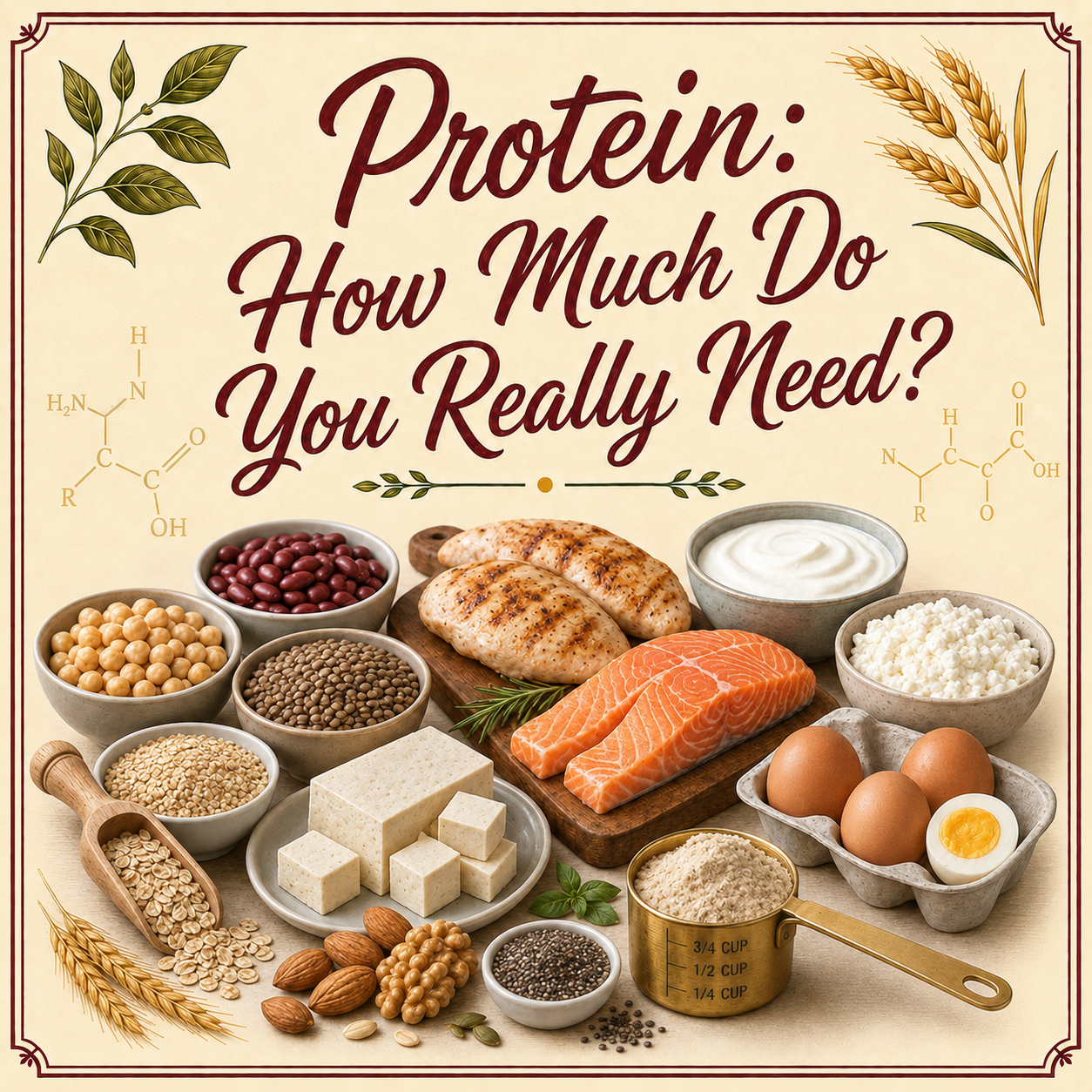
Protein: How Much Do You Really Need?
Walk into almost any grocery store or health food store today and you will see protein everywhere. Protein bars line the shelves, protein powders fill entire sections, Greek yogurt has become a staple, and food companies proudly advertise the number of grams of protein on the front of their packages. With all of this attention, it's easy to assume that everyone needs to eat as much protein as possible. But is more always better? How much protein do you actually need?
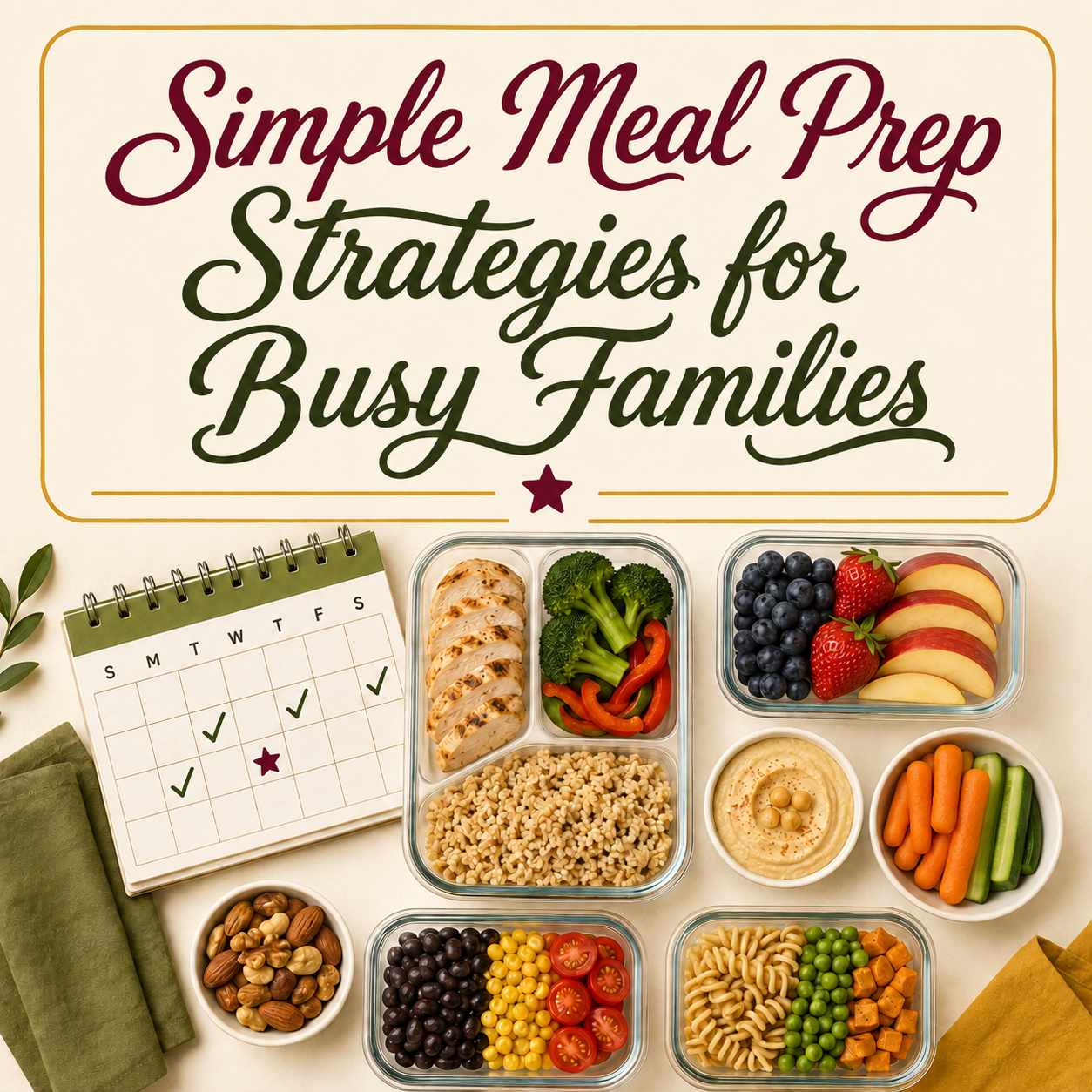
Simple Meal Prep Strategies for Busy Families
Between work, school, sports, appointments, errands, and everything else that fills a family calendar, preparing healthy meals every day can feel like another full-time job. It is easy to reach the end of a long day and realize you have no plan for dinner, no food prepared, and hungry family members waiting.
The good news is that healthy eating doesn't require spending your entire Sunday cooking twelve different meals.
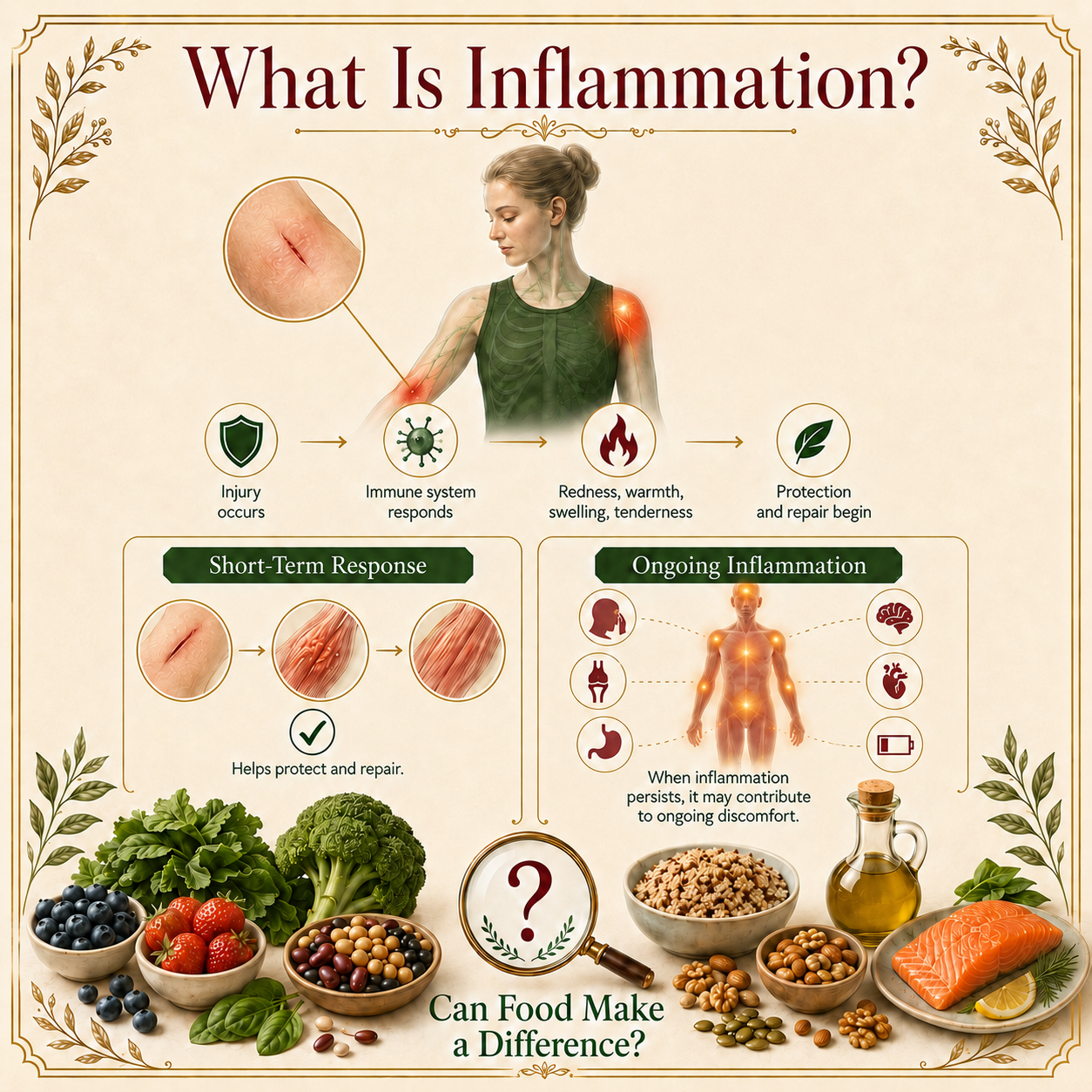
Reducing Inflammation Naturally Through Food
Inflammation is one of those words we hear constantly in conversations about health and nutrition. You'll see foods, supplements, and diets promoted as ways to "fight inflammation" or "reduce inflammation." But what does inflammation actually mean, and can the foods we eat really make a difference?
The answer is more nuanced than simply labeling foods as "good" or "bad."
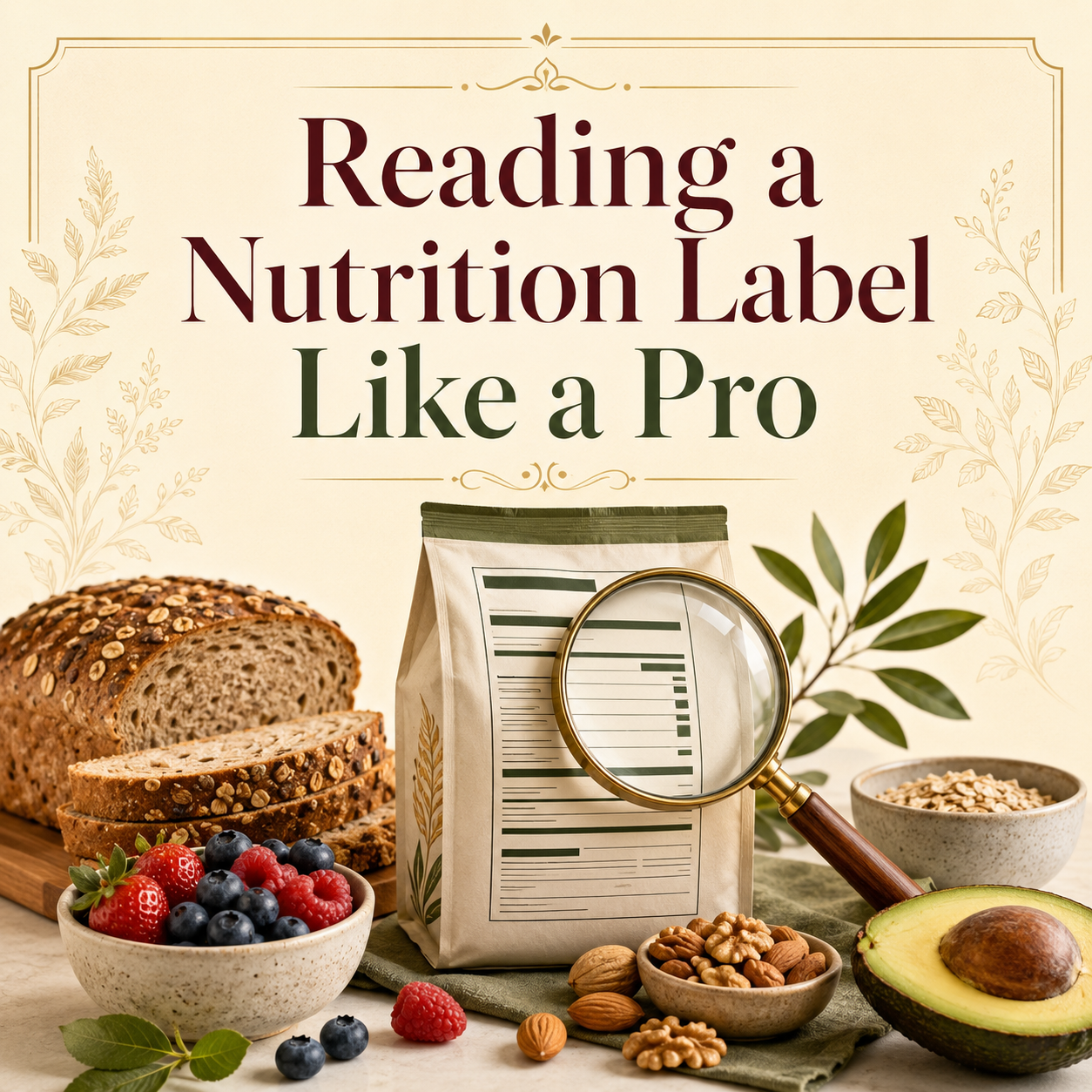
Read a Nutrition Label Like a Pro
Walk into any grocery store and you'll find hundreds of products promising to be healthy, natural, high-protein, low-sugar, heart-healthy, organic, or made with "clean" ingredients. But how do you know what you're actually buying? The answer is simple: learn to read the Nutrition Facts label. You don't need a nutrition degree or hours of research. Once you understand a few key sections of the label, you can quickly compare products and make more informed choices for yourself and your family.
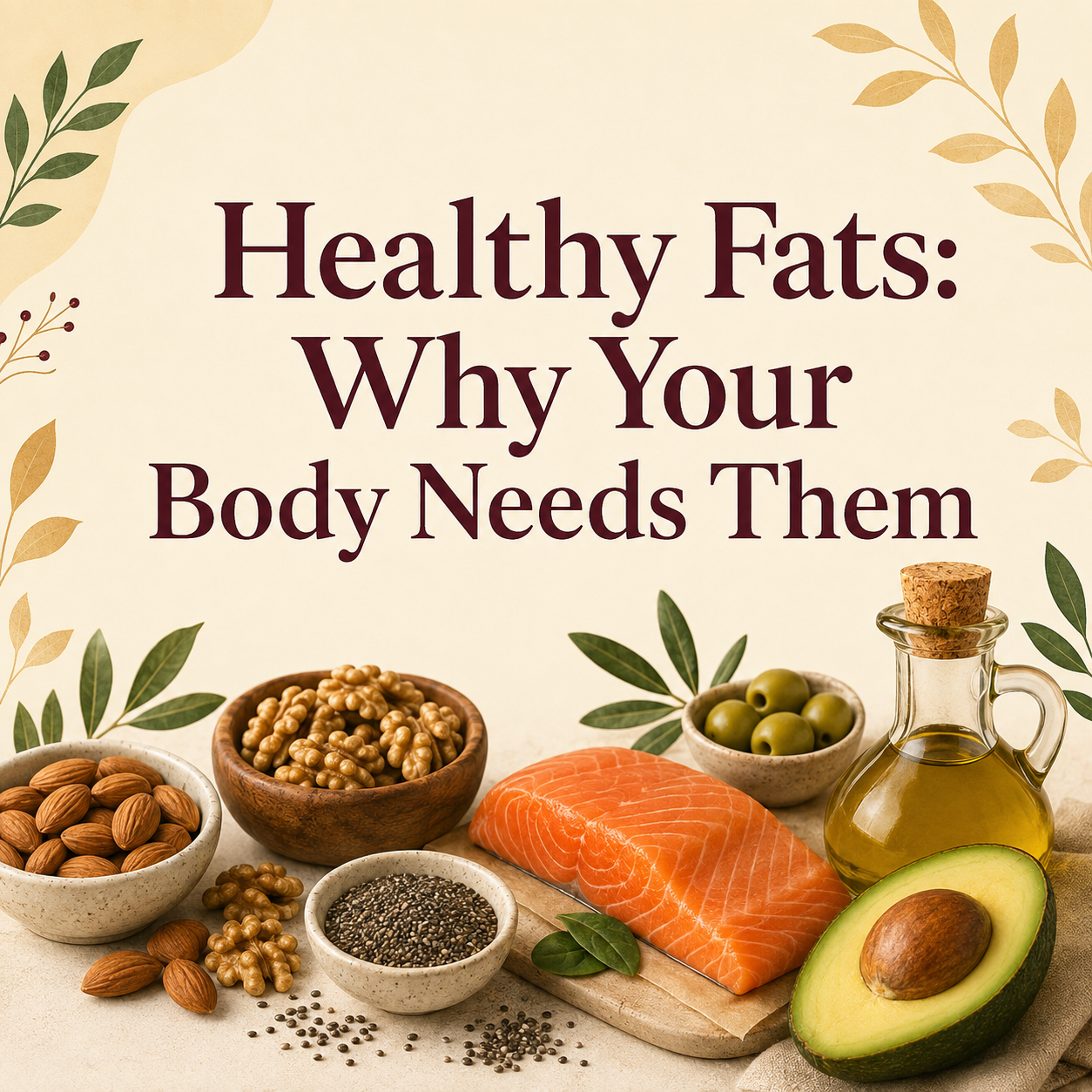
Healthy Fats: Why Your Body Needs Them
For years, many people believed that eating fat was something to avoid. Today, nutrition research paints a much different picture. While it's still important to limit certain types of fats, healthy fats are an essential part of a balanced diet and play an important role in supporting overall health.
The key isn't to avoid fat—it's to choose the right kinds of fat.
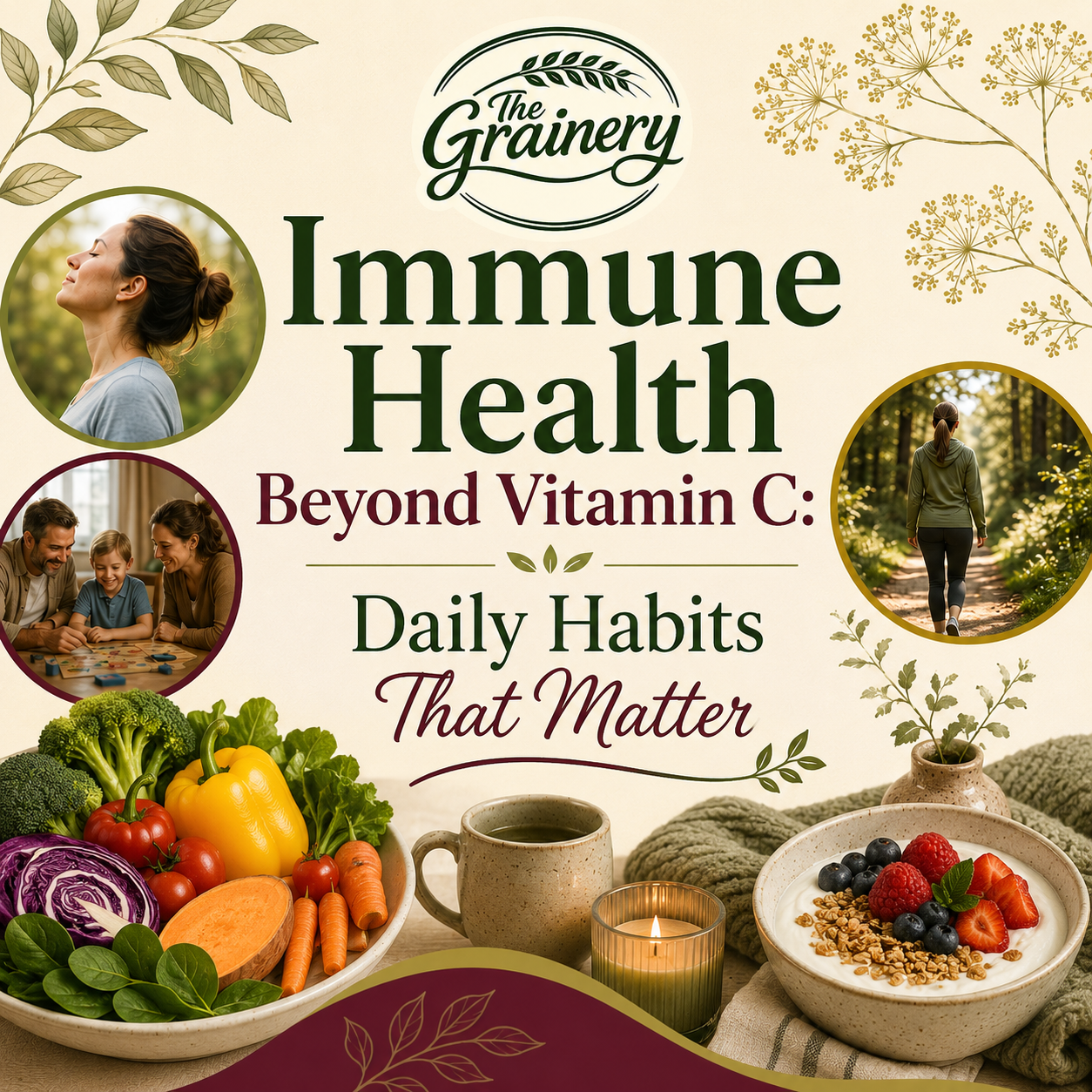
Immune Health Beyond Vitamin C: Daily Habits That Matter
When people think about supporting their immune system, Vitamin C is often the first nutrient that comes to mind. While Vitamin C is certainly important, it's only one piece of the puzzle. Your immune system relies on a combination of healthy habits, balanced nutrition, quality sleep, regular movement, and key nutrients working together every day.
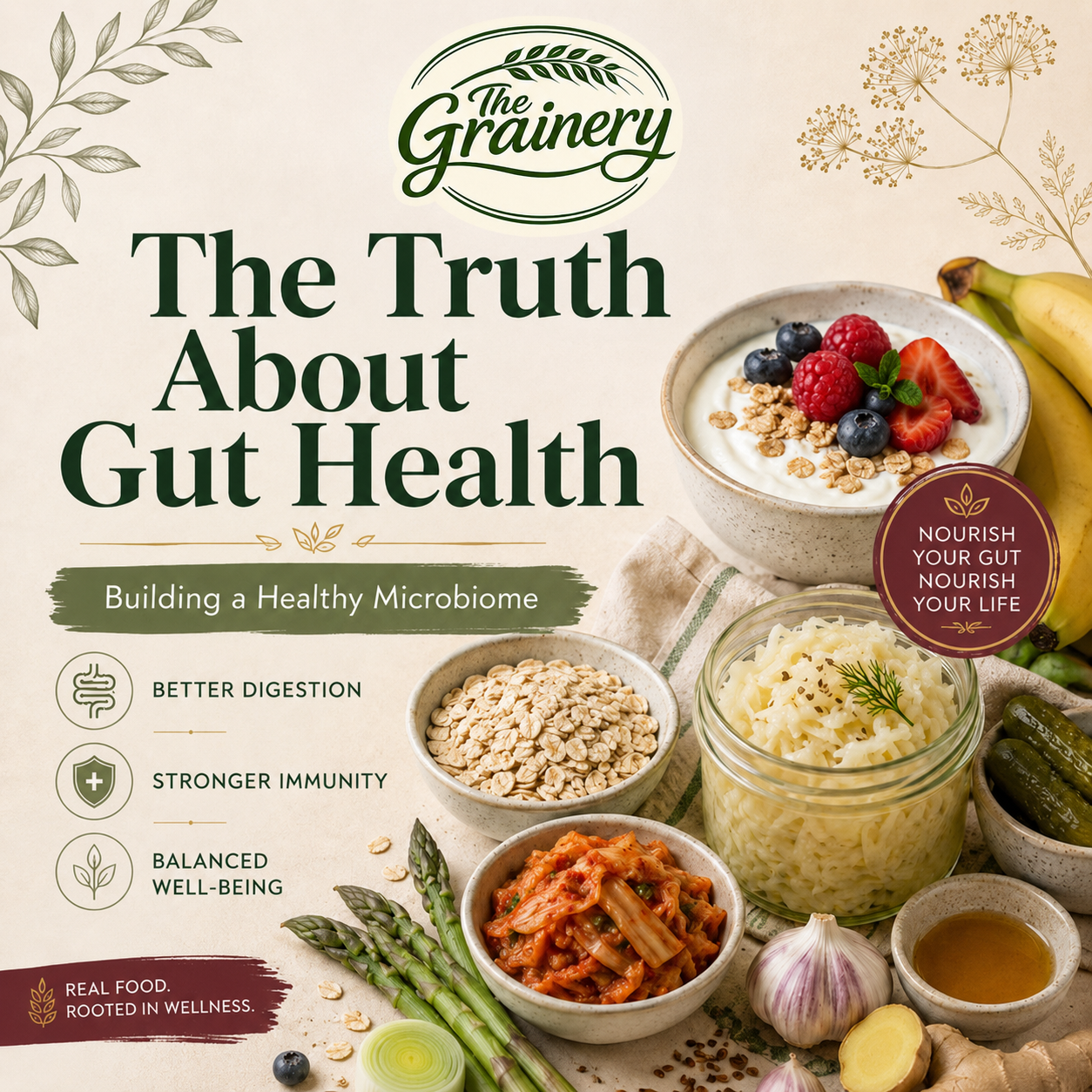
The Truth About Gut Health: Building a Healthy Microbiome
Over the last several years, gut health has become one of the most talked-about topics in nutrition—and for good reason. Scientists continue to discover how important the gut is to our overall health. From digestion and nutrient absorption to immune function and overall well-being, a healthy gut plays a central role in helping your body perform at its best.
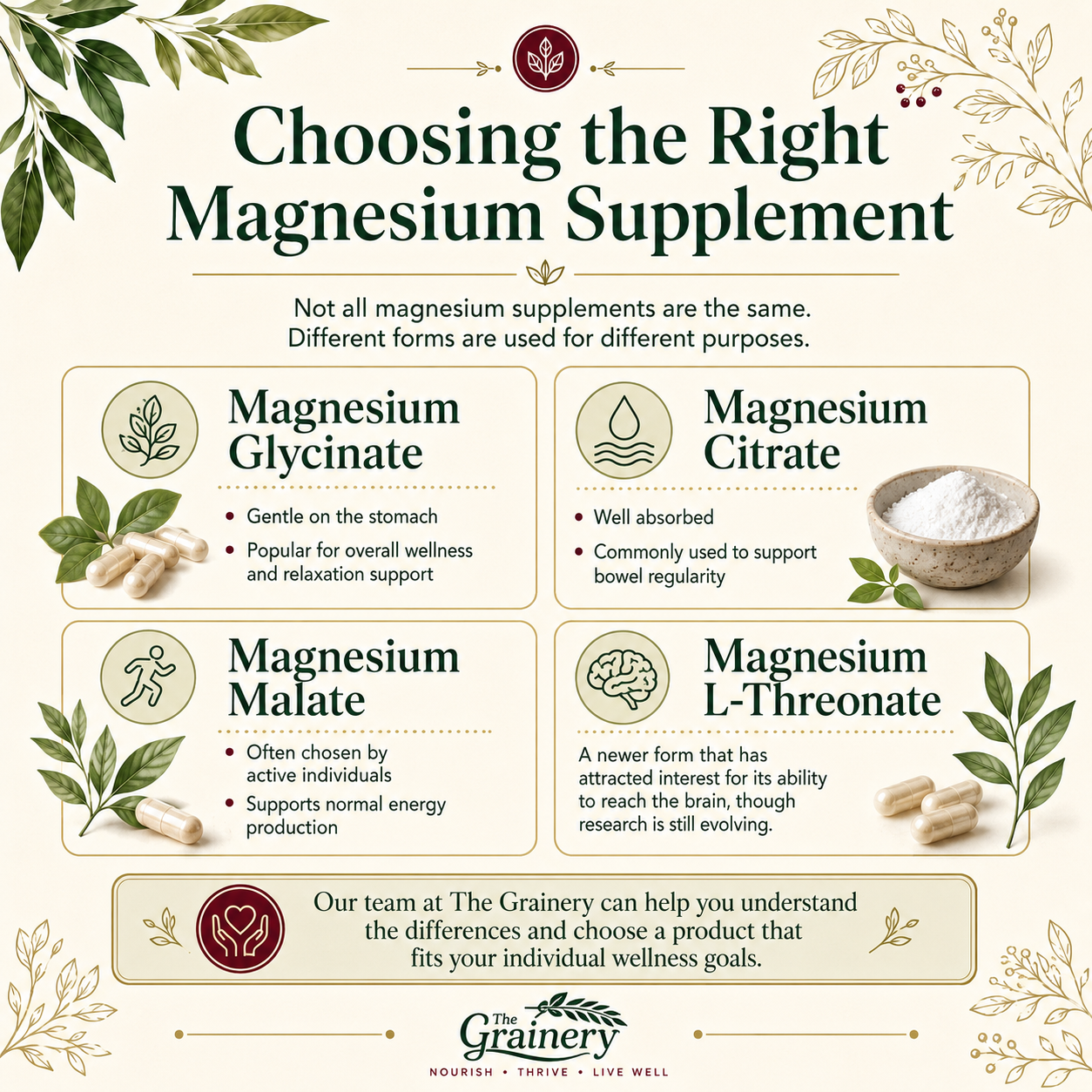
Understanding Magnesium: Why It's One of the Most Important Minerals
Magnesium is often called the "forgotten mineral," yet it plays a vital role in keeping your body functioning properly. In fact, magnesium is involved in more than 300 biochemical processes that support everything from muscle function and energy production to healthy bones and a balanced nervous system.
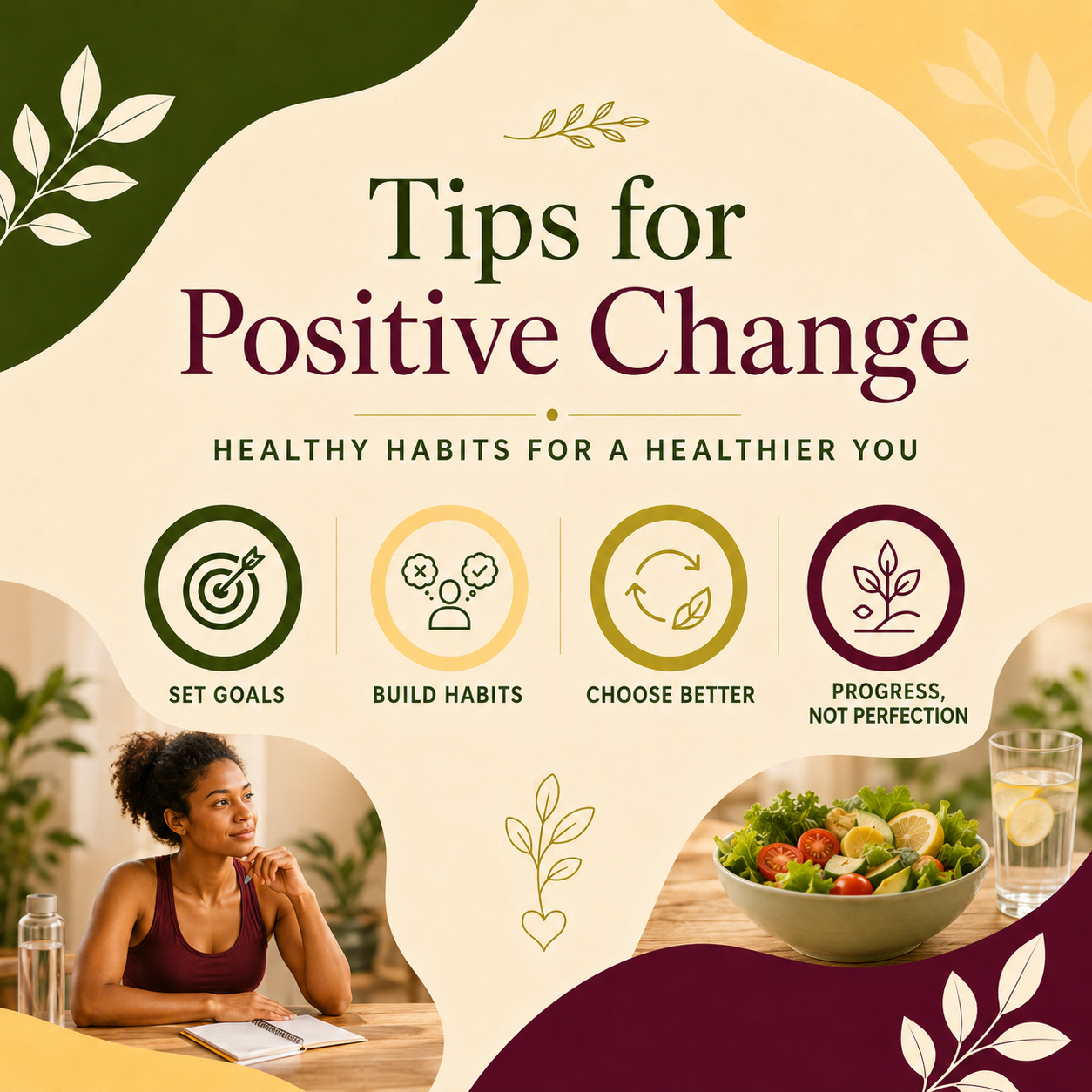
Small Habits That Make a Big Difference
First ask yourself “What are your goals?” This establishes a clear destination. No matter if it's a fitness, professional, or even a relationship goal we need to know where we are going. Make sure it is measurable, realistic, and has a deadline to accomplish it.