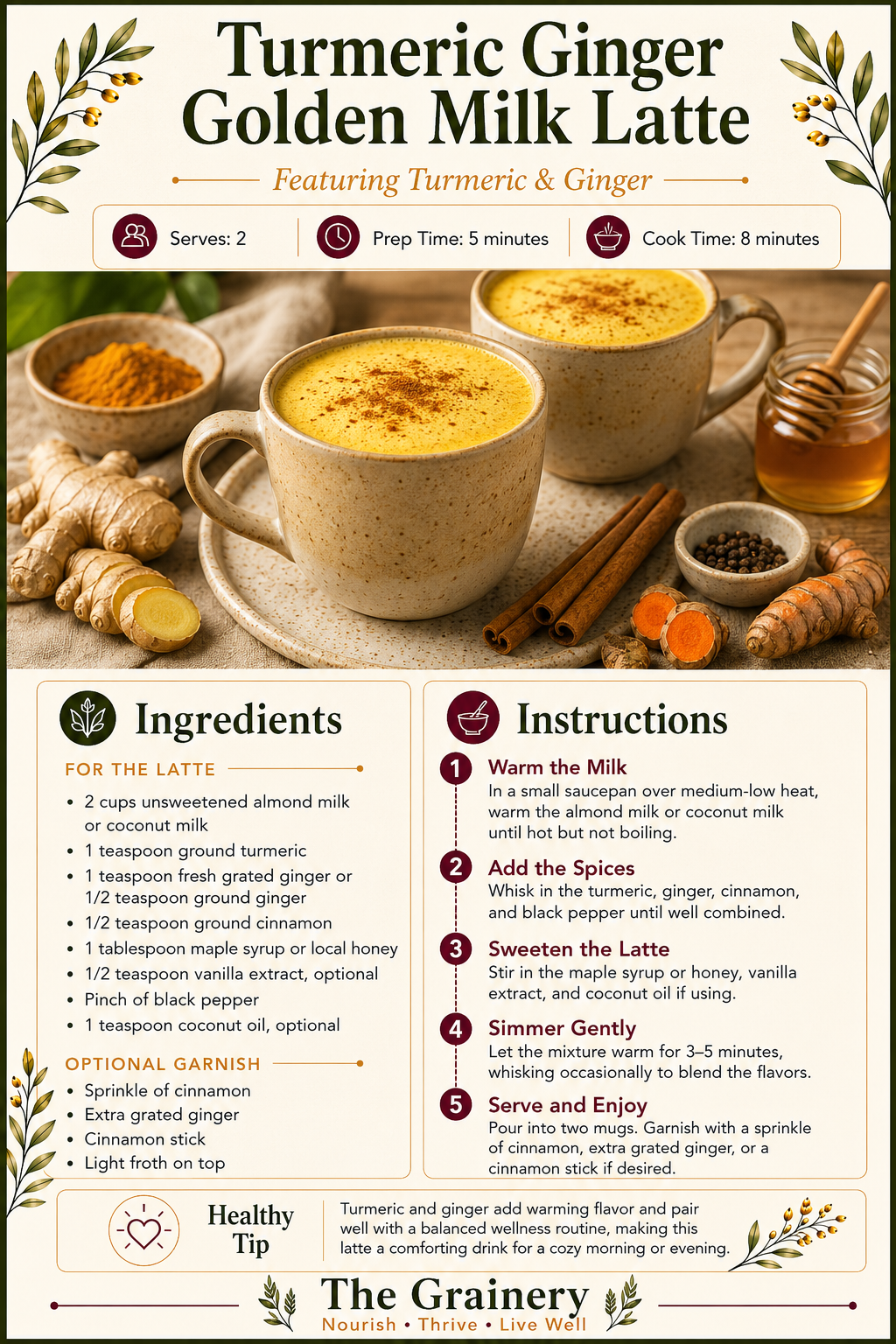
Reducing Inflammation Naturally Through Food
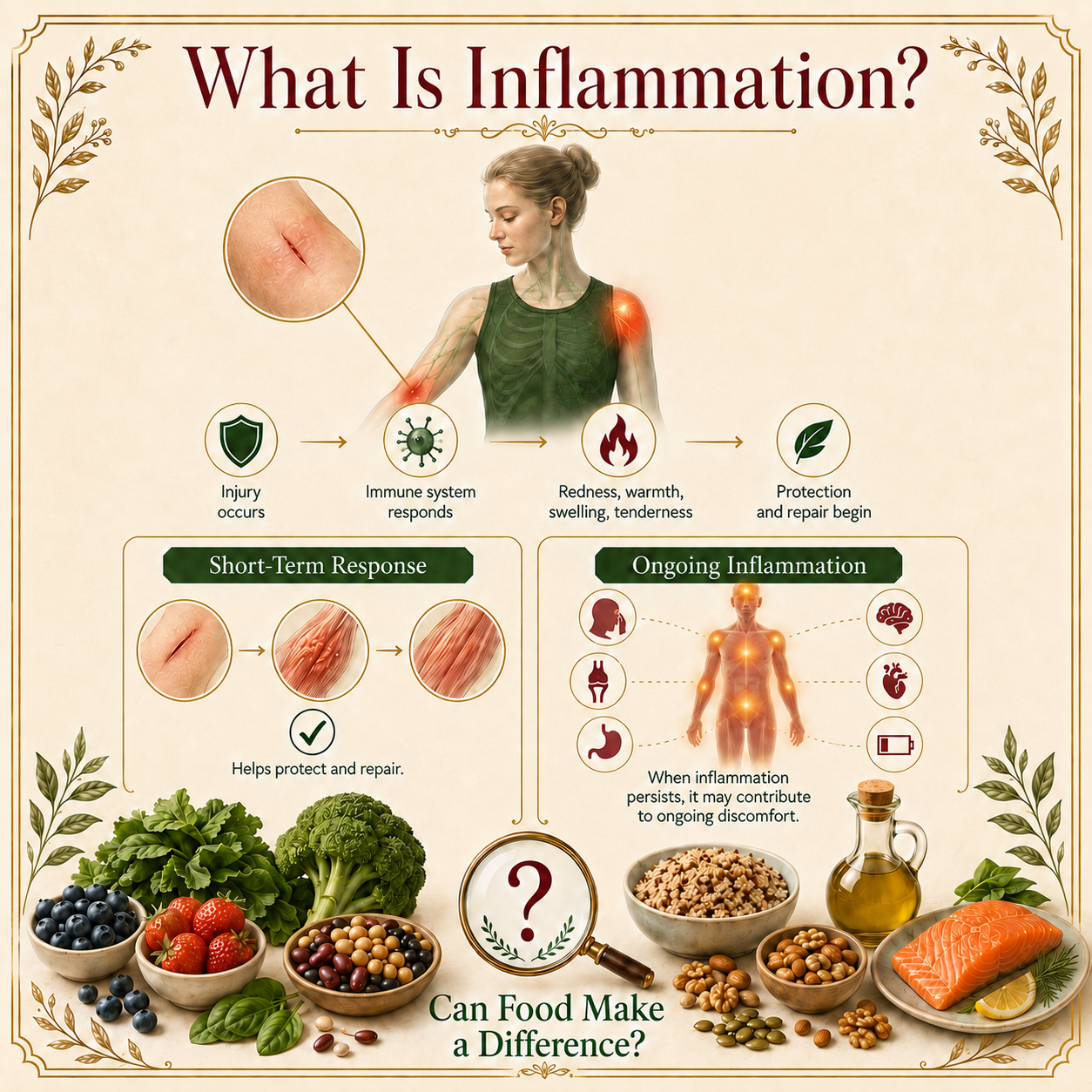
Inflammation is one of those words we hear constantly in conversations about health and nutrition. You'll see foods, supplements, and diets promoted as ways to "fight inflammation" or "reduce inflammation." But what does inflammation actually mean, and can the foods we eat really make a difference?
The answer is more nuanced than simply labeling foods as "good" or "bad."
Inflammation is a normal and important part of the body's immune response. When you experience an injury or your body encounters an infection, inflammation helps your immune system respond and begin the healing process. The concern is prolonged, low-grade inflammation, which can be associated with a number of chronic health conditions. Fortunately, your everyday eating habits can be one part of a healthy lifestyle that supports your body's normal inflammatory processes.
The key isn't finding one magical food. It's building a dietary pattern filled with a variety of nutrient-dense foods.
What Is Inflammation?
Inflammation is part of your body's defense and repair system.
When your body detects an injury, infection, or other threat, the immune system responds. You may notice redness, swelling, warmth, or discomfort around an injury. These responses are part of the body's effort to protect and repair itself. Once the threat is addressed and healing progresses, the inflammatory response normally settles down.
The problem is when inflammation becomes prolonged.
Long-term, low-grade inflammation is associated with metabolic and cardiovascular health problems and has been the subject of extensive research. Diet is one factor among many—including physical activity, sleep, stress, smoking, alcohol intake, and body composition—that can influence inflammatory processes.
That's why it is more useful to think about supporting a healthy lifestyle than trying to eliminate inflammation completely.
Build Your Plate Around Plants
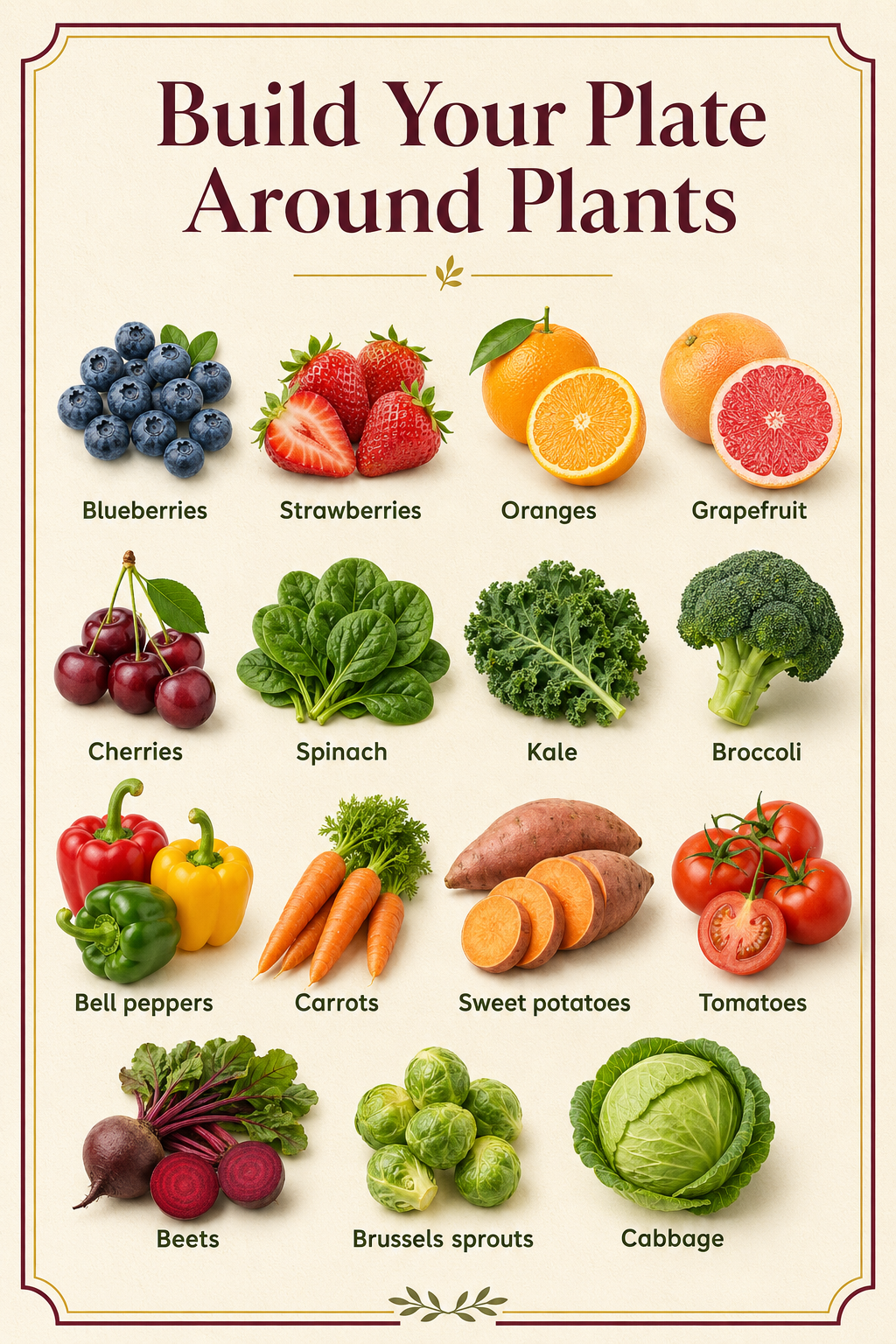
One of the simplest ways to improve your diet is to make fruits and vegetables a regular part of your meals. Fruits and vegetables provide fiber, vitamins, minerals, antioxidants, and thousands of naturally occurring plant compounds called phytochemicals. Different plants contain different combinations of these compounds, which is one reason variety matters.
Think beyond just eating an apple every day.
Try rotating through:
Blueberries
Strawberries
Oranges
Grapefruit
Cherries
Spinach
Kale
Broccoli
Bell peppers
Carrots
Sweet potatoes
Tomatoes
Beets
Brussels sprouts
Cabbage
The more variety of colors and types of plants you eat, the wider the range of nutrients and plant compounds you're likely to consume.
Research supports this approach. A systematic review and meta-analysis examining 83 studies found that higher fruit and vegetable intake was associated with reductions in certain inflammatory biomarkers, including C-reactive protein and tumor necrosis factor-alpha.
That doesn't mean eating blueberries will immediately "turn off inflammation." It means that consistently eating a diet rich in fruits and vegetables may be part of an overall dietary pattern that supports healthy inflammatory and immune function.
Don't Forget Fiber
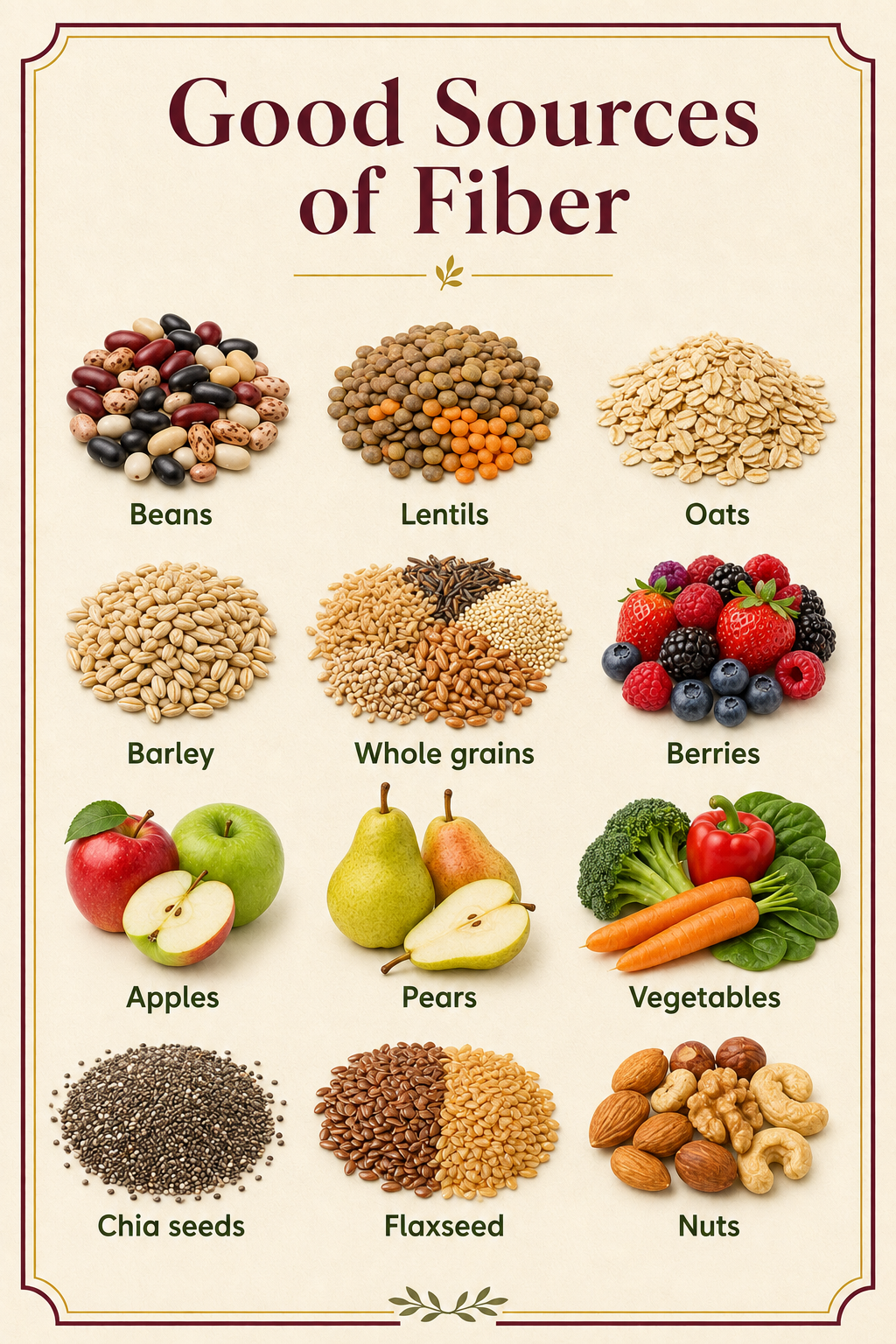
Fiber is another important part of an inflammation-conscious eating pattern.
Good sources include:
Beans
Lentils
Oats
Barley
Whole grains
Berries
Apples
Pears
Vegetables
Chia seeds
Flaxseed
Nuts
Fiber supports digestive health and can also help support a healthy gut microbiome. This is important because your digestive tract is home to trillions of microorganisms that interact with your diet and your body. Diets rich in plant foods provide a variety of fibers and other compounds that can support a diverse microbial community. Instead of searching for a single "gut health" food, think about feeding your gut a wide variety of plant foods.
Choose Healthy Fats
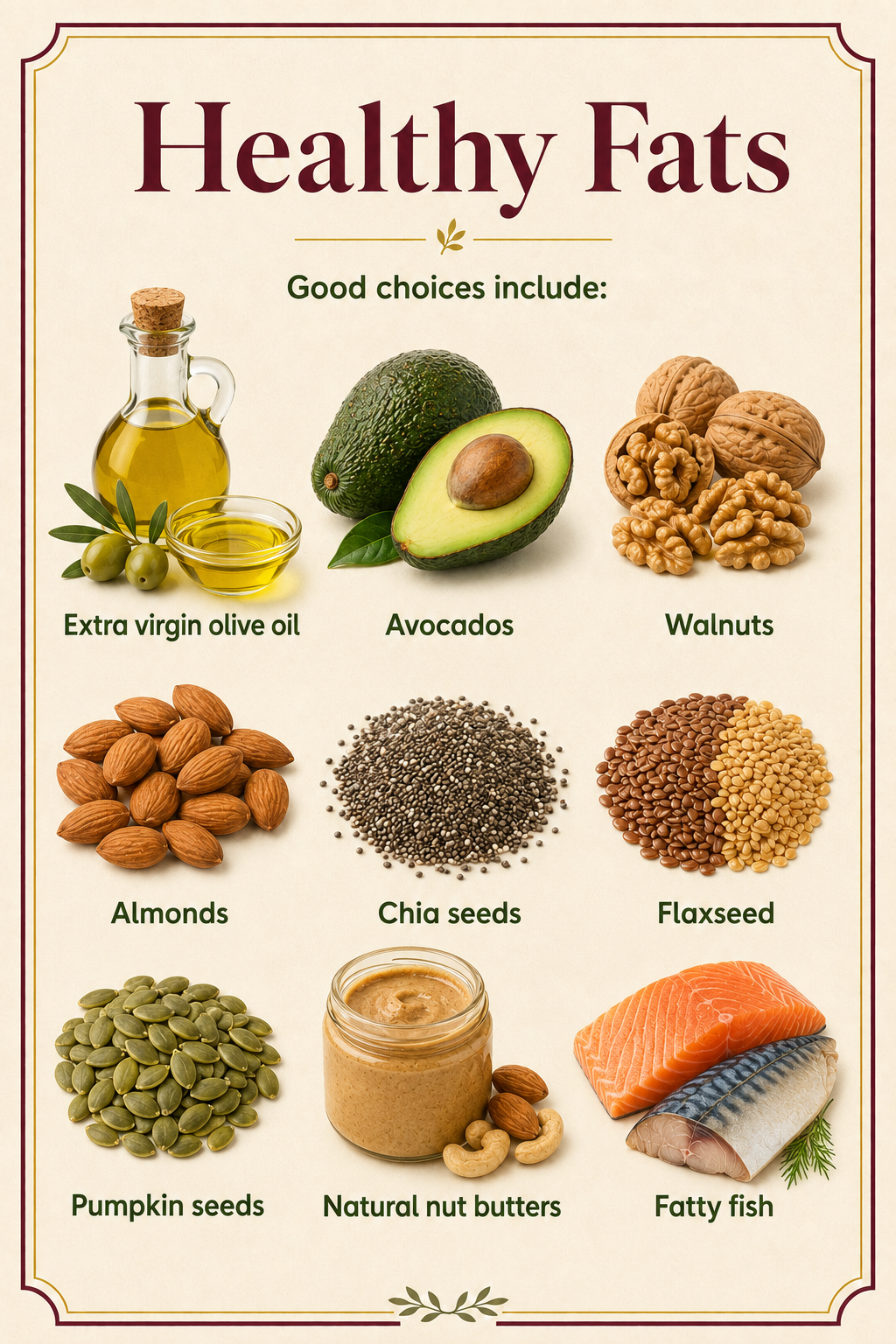
Fat shouldn't be something you automatically avoid. Certain unsaturated fats can be an important part of a healthy eating pattern.
Good choices include:
Extra virgin olive oil
Avocados
Walnuts
Almonds
Chia seeds
Flaxseed
Pumpkin seeds
Natural nut butters
Fatty fish
Omega-3 fatty acids are particularly noteworthy. Fatty fish such as salmon, sardines, herring, and mackerel provide EPA and DHA, while foods such as walnuts, chia seeds, and flaxseed provide plant-based ALA. Harvard's Nutrition Source identifies unsaturated fats, including those from olive oil, avocados, nuts, seeds, and oily fish, as important components of dietary patterns commonly associated with lower inflammatory burden.
A simple swap can make a difference:
Instead of: butter on every vegetable
Try: roasted vegetables tossed with extra virgin olive oil.
Instead of: chips
Try: a handful of walnuts or almonds.
Instead of: processed meat
Try: salmon, beans, lentils, or another minimally processed protein.
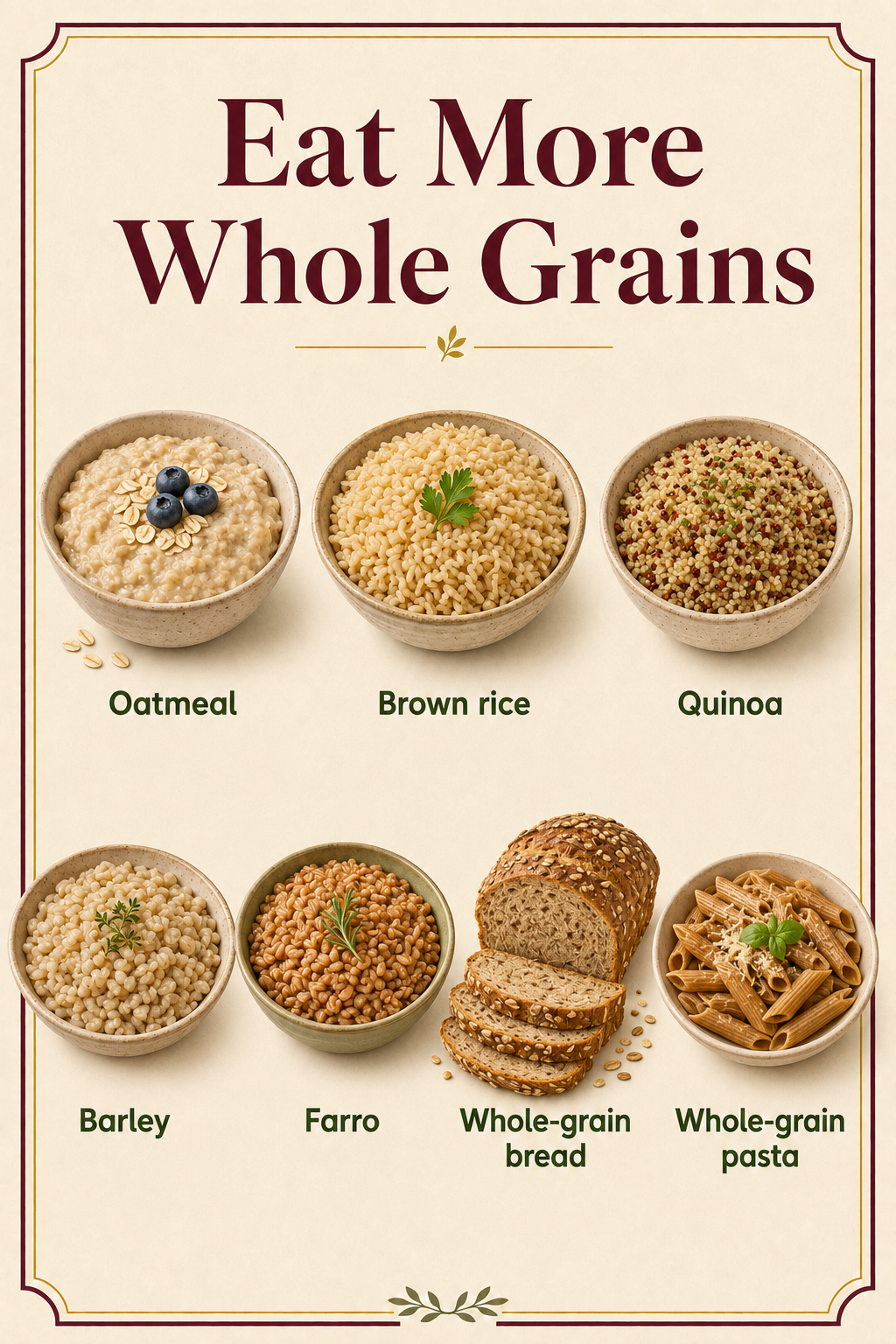
Eat More Whole Grains
Not all carbohydrates are the same. Whole grains contain the bran, germ, and endosperm, providing more fiber and nutrients than refined grains.
Consider:
Oatmeal
Brown rice
Quinoa
Barley
Farro
Whole-grain bread
Whole-grain pasta
Whole grains can be an important part of dietary patterns associated with better metabolic and cardiovascular health. The goal isn't necessarily to eliminate carbohydrates. Instead, choose more nutrient-dense sources of carbohydrates and balance them with protein, healthy fats, and plenty of vegetables.
Make Beans and Legumes a Regular Part of Your Diet
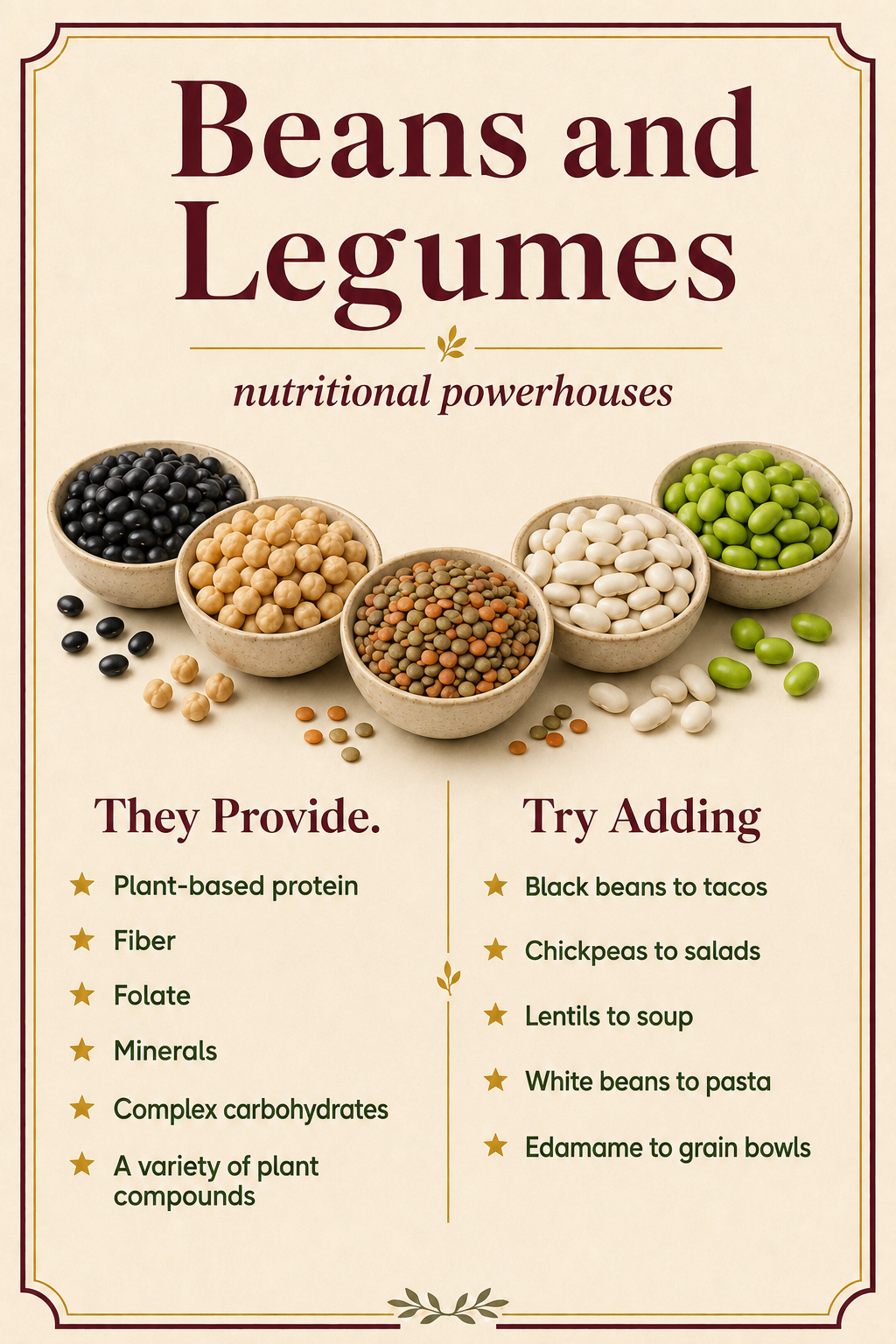
Beans and legumes are nutritional powerhouses.
They provide:
Plant-based protein
Fiber
Folate
Minerals
Complex carbohydrates
A variety of plant compounds
Try adding:
Black beans to tacos
Chickpeas to salads
Lentils to soup
White beans to pasta
Edamame to grain bowls
A Mediterranean-style eating pattern frequently includes legumes, vegetables, fruits, whole grains, nuts, olive oil, and fish. Research examining Mediterranean diets has found beneficial effects on several markers of inflammation.
Don't Forget Herbs and Spices
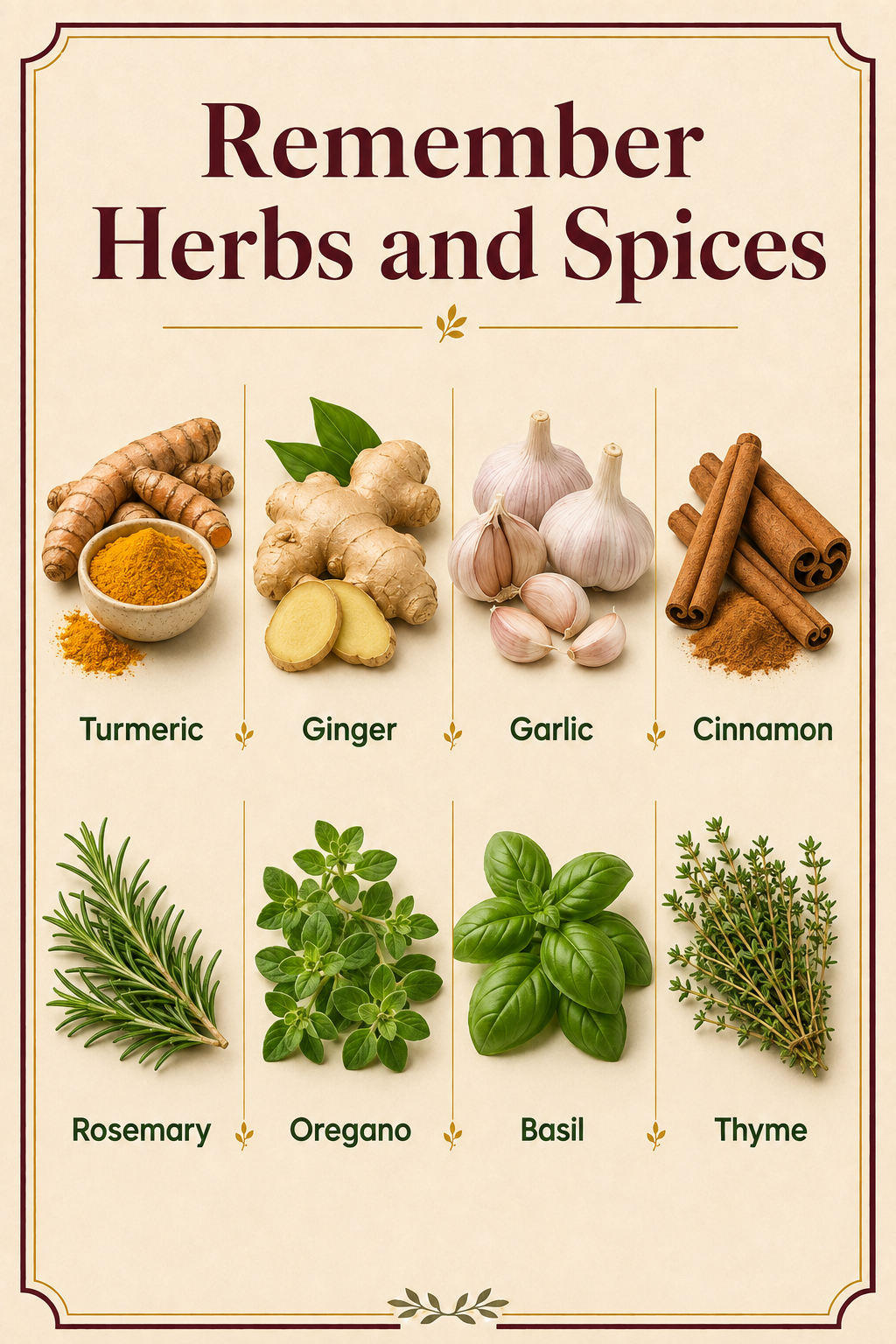
You don't have to completely redesign your diet to eat more nutrient-dense foods. Sometimes the easiest improvement is simply adding more flavor. Experiment with:
Turmeric
Ginger
Garlic
Cinnamon
Rosemary
Oregano
Basil
Thyme
Herbs and spices contain numerous naturally occurring plant compounds. Turmeric and ginger, in particular, are frequently studied for their potential relationship to inflammation, although research on individual foods and compounds is not strong enough to suggest that they are a replacement for medical treatment or a healthy dietary pattern.
Use them because they make healthy food taste great—not because you expect one spice to fix your health.
What Foods Should You Limit?
Eating for better health isn't only about what you add.
It's also about what you eat less frequently.
A dietary pattern associated with higher inflammatory potential tends to include more:
Sugar-sweetened beverages
Highly refined carbohydrates
Fried foods
Processed meats
Highly processed foods
Excess saturated fat
Excess alcohol
Harvard's review of anti-inflammatory dietary patterns emphasizes limiting these foods while increasing fruits, vegetables, whole grains, legumes, nuts, seeds, fish, and unsaturated fats.
This doesn't mean you can never have a burger, dessert, or favorite snack.
Healthy eating is about the overall pattern, not perfection
Try the Mediterranean Approach
If you're looking for a simple framework rather than a complicated diet, consider the principles of a Mediterranean-style eating pattern.
Build meals around:
Vegetables + Fruit + Whole Grains + Beans + Nuts/Seeds + Olive Oil + Fish + Lean Protein
And enjoy highly processed foods, refined sweets, and processed meats less frequently.
Research examining Mediterranean dietary patterns has found improvements in several markers associated with inflammation compared with control diets.
You don't have to eat Mediterranean food every day.
Simply borrowing some of its principles can make your diet more nutrient-dense.
Don't Forget the Rest of Your Lifestyle
Food is important—but it isn't the whole story. Inflammatory health is influenced by many factors.
Make room for:Regular Exercise
Walking, strength training, cycling, swimming, and other forms of physical activity can support overall health.
Quality Sleep
Consistent, adequate sleep is an important part of maintaining overall health.
Stress Management
Chronic stress can affect many aspects of health. Find activities that help you relax and recover.
Avoid Smoking
Smoking is harmful to health and contributes to inflammation and disease risk.
Maintain a Healthy Weight
For people who are overweight or have obesity, gradual, sustainable weight loss can improve several markers of metabolic health. The goal isn't to become perfect. It's to create a lifestyle you can maintain.
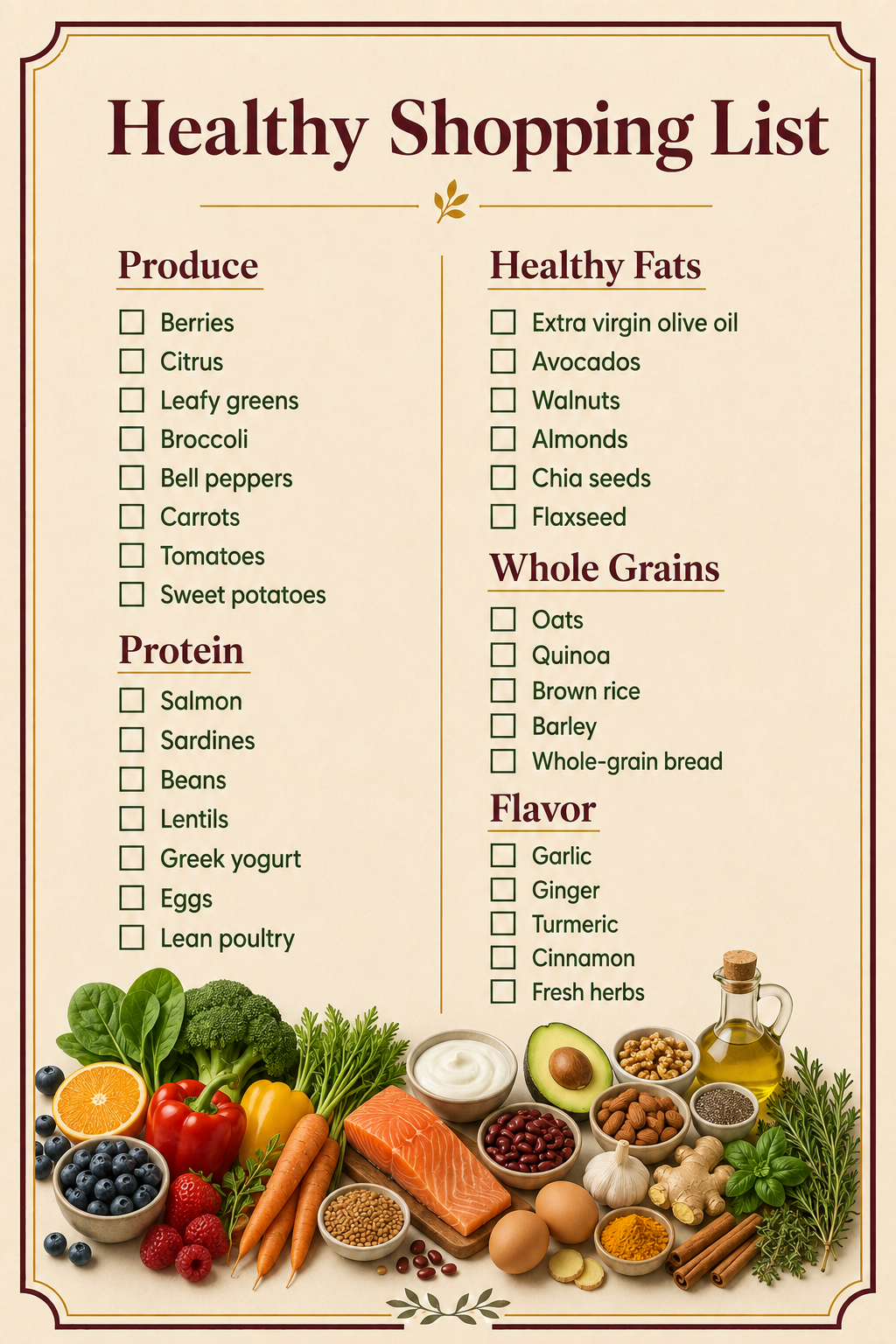
A Simple "Anti-Inflammatory" Shopping List
While you don’t need every item on your list, next time you're at the grocery store consider filling your cart some of your favorites:
The Bottom Line
There is no single "anti-inflammatory" food that can transform your health overnight.
The strongest message from the research is about dietary patterns. A diet rich in colorful fruits and vegetables, fiber-rich whole grains, legumes, nuts, seeds, healthy unsaturated fats, and fish can be part of an overall lifestyle that supports healthy inflammatory processes. And perhaps the most important lesson is this:
Don't chase perfection. Chase consistency.
Add another vegetable. Try a new fruit. Swap refined grains for whole grains. Choose olive oil. Eat more beans. Enjoy some salmon. Sprinkle chia or flaxseed into your breakfast. Small choices repeated over weeks, months, and years are what create a healthy eating pattern. Start with your next meal. Add something colorful, something nourishing, and something you enjoy
At The Grainery, we believe healthy living should be practical, enjoyable, and sustainable. We're here to help you find nutritious foods, local products, and simple ideas that make healthy choices easier.
Sources
Harvard T.H. Chan School of Public Health, The Nutrition Source — Anti-Inflammatory Diet. Overview of inflammation, dietary patterns, foods associated with anti-inflammatory eating patterns, and lifestyle factors.
Jenkins et al., American Journal of Clinical Nutrition — Effects of fruit and vegetable consumption on inflammatory biomarkers and immune cell populations. Systematic review and meta-analysis of 83 studies examining fruit and vegetable intake and inflammatory/immune markers.
Harvard T.H. Chan School of Public Health, The Nutrition Source — Vegetables and Fruits. Information regarding variety, plant compounds, and the role of fruits and vegetables in a healthy diet.
Harvard T.H. Chan School of Public Health, The Nutrition Source — Nutrition and Immunity. Overview of nutrition, immune function, dietary variety, and the relationship between diet and inflammation.
Systematic Review of Randomized Controlled Trials — Effects of anti-inflammatory diets on inflammation markers in adults. Review of 20 randomized controlled trials examining anti-inflammatory dietary patterns and inflammatory biomarkers.
National Heart, Lung, and Blood Institute (NHLBI/NIH) — Anti-inflammatory diets and cardiovascular disease. Research summary concerning dietary patterns rich in colorful vegetables, fruits, and whole grains.