



Electrolytes and You
Matching Your Electrolytes to Your Activity explains how workout duration, sweat loss and environmental conditions can influence hydration needs. The image contrasts a shorter workout in comfortable weather—when water and regular meals may be sufficient—with prolonged activity in hot conditions, when replacing electrolytes may become more useful. It encourages individuals to carry water throughout the day while reserving electrolyte products for situations involving substantial fluid and mineral losses.

Snack Smart
Make snacks more satisfying by combining two nutritious foods instead of relying on a single item. Pairing fruit, vegetables, or whole grains with protein or healthy fat—such as apples with natural peanut butter, carrots with hummus, or Greek yogurt with berries—can add flavor, variety, and important nutrients. The Healthy Habits Challenge encourages preparing one balanced snack before leaving home so a nourishing option is ready when hunger arrives.

Healthy Habits: Add One More Plant
The “One More Plant” habit makes healthy eating easier to practice: add one plant food to something you already eat each day. Berries at breakfast, beans at lunch, or roasted vegetables at dinner can add up to seven extra plant-food additions in a week.

Healthy Aging
For healthy aging, and simply everyday health, start the day with a balanced breakfast built around a meaningful source of protein. Combine protein with fruits or vegetables, whole-food carbohydrates, and healthy fats to create a satisfying meal and a practical habit that supports healthy aging.

Where’s the Fiber?
“Where’s the Fiber?” is a practical Healthy Habits challenge from Dave’s Kitchen that encourages you to identify a fiber-rich plant food at every meal. By adding berries to breakfast, beans or vegetables to lunch, roasted vegetables to dinner, and fruit or nuts for a snack, you can gradually build healthier eating habits. The goal is not perfection, but consistently making small choices that add more fiber-rich foods to your day.
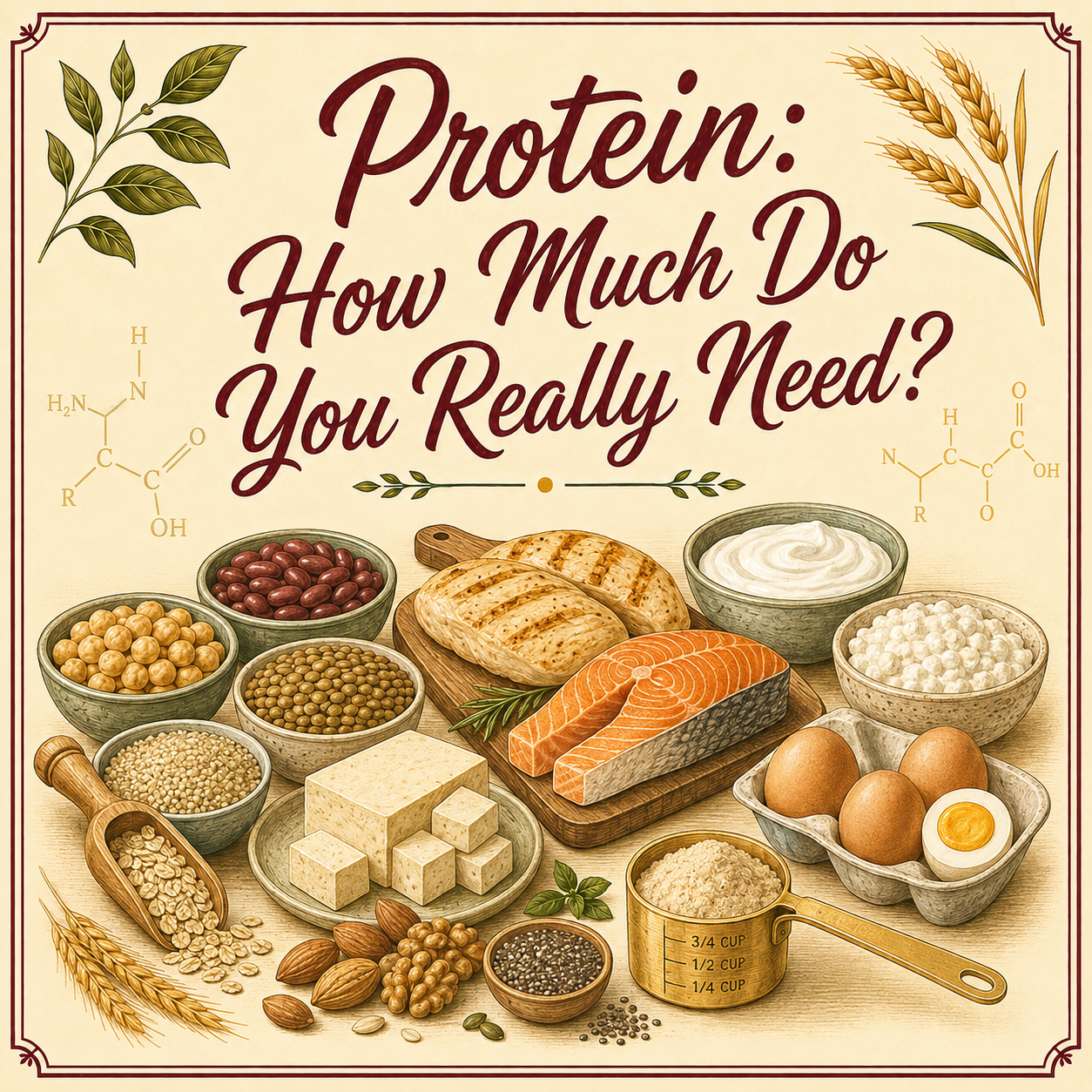
Get Protein in Every Meal
Make protein the starting point of every meal with this simple Healthy Habits tip from The Grainery. By choosing a protein source first—such as eggs, Greek yogurt, chicken, fish, beans, or lentils—you can build a balanced and satisfying meal around it. Small, consistent choices like this can help healthy eating become a lasting habit.

A Simple 60-Minute Weekly Meal Prep
Make healthy eating easier with a simple 60-minute weekly meal-prep routine designed for busy families. This practical plan breaks one hour into manageable steps for planning meals, preparing produce, cooking versatile proteins and carbohydrates, organizing snacks and breakfasts, and portioning food for the refrigerator. With a little preparation, families can reduce weekday stress, save time, use leftovers intentionally, and keep convenient, nutritious choices readily available.

Think Add, not Take Away
Discover how adding nutrient-rich foods—such as berries, vegetables, beans, seeds, and healthy fats—can gradually improve your diet without focusing on restriction. Simple additions to everyday meals can make healthy eating feel easier, more enjoyable, and sustainable.

The Grainery 30-Second Label Test
Take a look at a simple five-step method for evaluating food labels in 30 seconds. It encourages shoppers to quickly review serving size, protein, fiber, added sugar, sodium, and ingredients to make informed choices that support their dietary needs and goals.

Easy Ways to Add Healthy Fats to your Diet
Discover simple, delicious ways to add healthy fats to your daily meals with foods such as avocados, nuts, seeds, olive oil, and fish. These easy habits can add valuable nutrition, satisfying flavor, and greater variety to everyday eating.

Prioritizing Quality Sleep
Sleep is one of the most overlooked aspects of immune health.
Most adults benefit from 7–9 hours of quality sleep each night. During sleep, your body carries out many important maintenance and recovery processes that help keep you feeling your best.

Gut Health
Gut health begins with a balanced microbiome, which is the community of beneficial microorganisms living in the digestive tract. Daily habits such as eating fiber-rich foods, adding fermented foods, drinking enough water, staying active, getting good sleep, and managing stress can all help support digestive wellness.
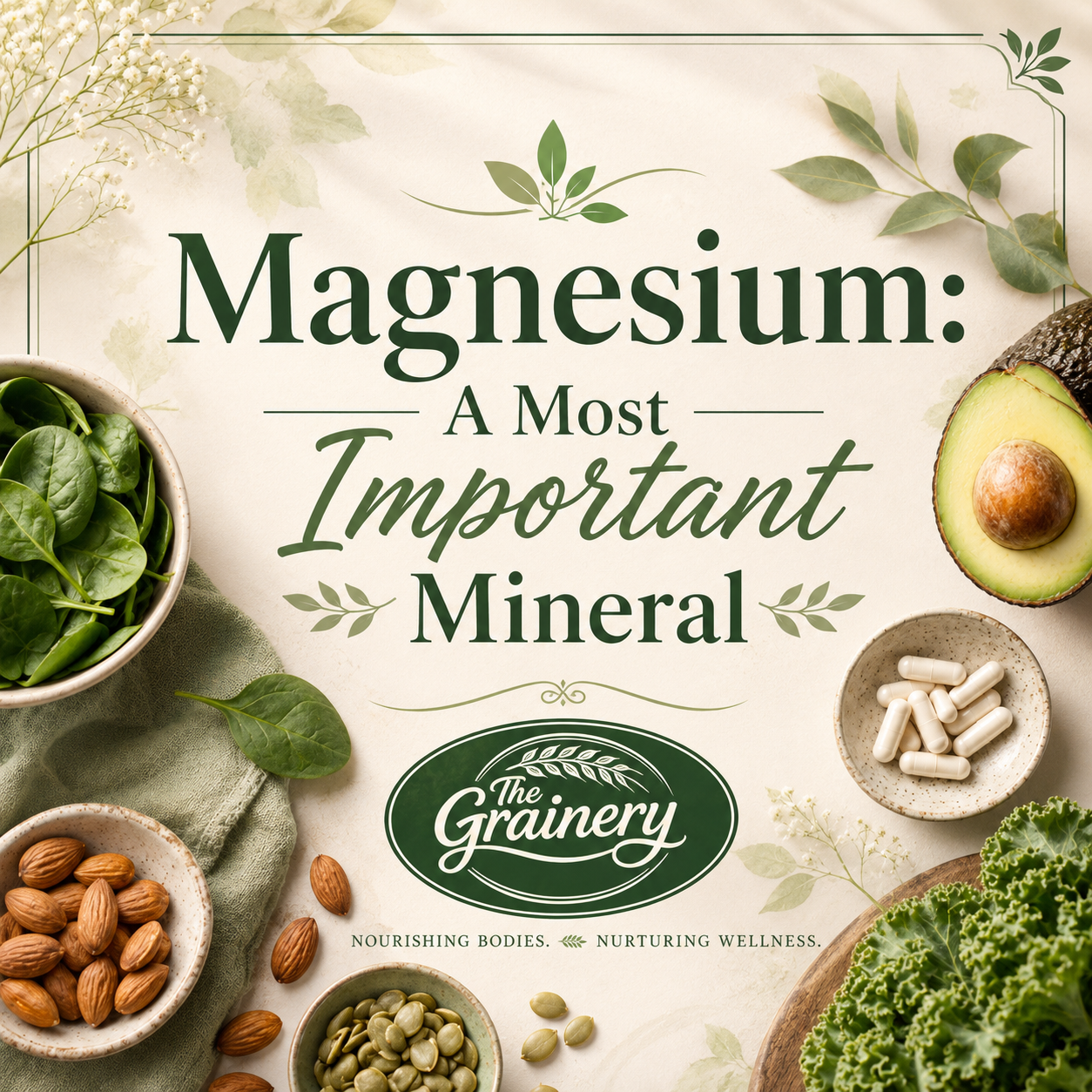
Magnesium: A Most Important Mineral
Magnesium plays an important role in overall wellness, but supporting healthy magnesium levels is about more than taking a supplement. Everyday habits such as eating nutrient-rich foods, staying hydrated, moving regularly, getting enough sleep, and managing stress can all help the body function at its best.

Hydration Matters
Water plays an essential role in nearly every function of the body—from regulating body temperature and supporting digestion to transporting nutrients and maintaining healthy joints. How Much Water Should You Drink? The simple guideline is to drink about half of your body weight in ounces of water each day.