

Healthy Snacking: Small Choices That Can Make a Big Difference
Snacking gets a bad reputation.
For years, the word “snack” has often been associated with chips, cookies, candy, sugary drinks and other highly processed foods. But the problem isn't necessarily snacking itself. In fact, a thoughtfully chosen snack can be an important part of a healthy eating pattern. The real question is not, “Should I snack?” but rather, “What am I choosing when I do?”
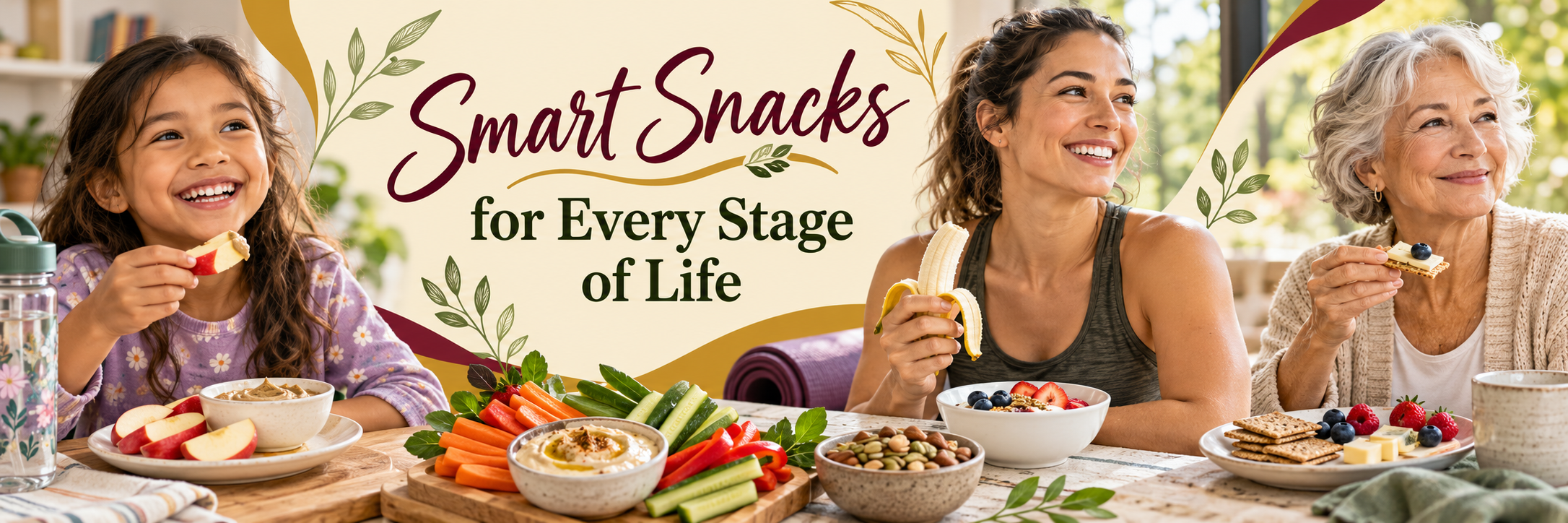
For many people, snacks are simply part of everyday life. We may eat something between breakfast and lunch, grab a bite in the afternoon, have something before a workout, or need a small meal when dinner is still several hours away. Children need snacks as they grow, active adults may need additional fuel, and older adults sometimes find that smaller meals and snacks are easier to manage than large meals.
The key is learning how to make those eating occasions work for you.
The American Heart Association recommends emphasizing nutrient-dense foods such as fruits, vegetables, whole grains, nuts, seeds and lower-fat dairy while limiting foods high in added sugars, sodium and saturated fat. The CDC similarly recommends building meals and snacks around nutrient-dense foods, including protein, fruits, vegetables, whole grains and healthy fats.
A Snack Doesn't Have to Be a Treat
One of the easiest ways to improve your snacking habits is to change the way you think about snacks. Instead of viewing a snack as a reward or something you eat simply because you're hungry, think of it as an opportunity to give your body something it needs.
Maybe you haven't eaten much protein today. A plain Greek yogurt with berries could help fill that gap. Maybe you need more fiber. An apple with natural peanut butter or a handful of nuts and dried fruit can contribute both fiber and other important nutrients. Maybe you need something refreshing. Fresh fruit, vegetables with hummus or a glass of water alongside your snack may be exactly what you need.
This approach turns snacking into another opportunity to build a nutritious eating pattern rather than simply another opportunity to consume calories.
Build a Better Snack
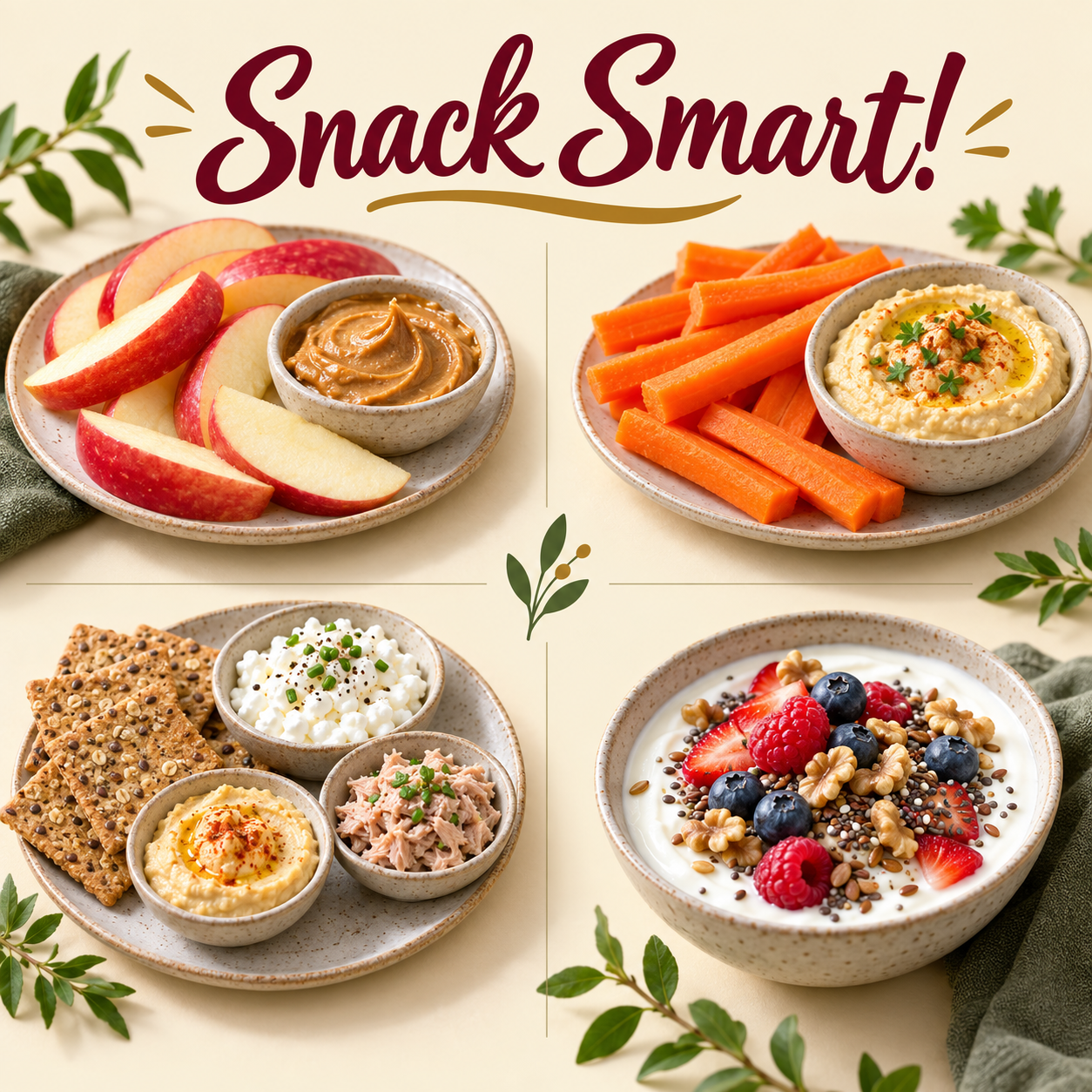
One of the simplest strategies is to combine two or more types of food. Think about pairing a source of protein or healthy fat with a fruit, vegetable or whole grain. An apple by itself is nutritious, but an apple with peanut butter adds protein and fat that can make the snack more substantial. Carrots are an excellent snack, but carrots with hummus provide additional protein, fiber and fat. Whole-grain crackers become a more satisfying snack when paired with cottage cheese, hummus or a small amount of tuna. Plain yogurt becomes more interesting when combined with berries, nuts or seeds.
This idea of combining foods is particularly useful when you want a snack that carries you through several hours rather than leaving you looking for another snack shortly afterward.
USDA MyPlate specifically recommends combining food groups to create satisfying snacks, with examples such as yogurt and berries, apples with nut butter, and whole-grain crackers with turkey and avocado.
Don't Forget Protein
Protein is an important part of a satisfying snack. Protein helps maintain and repair tissues, supports muscle, and contributes to fullness. Good snack sources include Greek yogurt, cottage cheese, eggs, nuts, seeds, nut butters, roasted chickpeas, beans, edamame and lean meats. That doesn't mean every snack needs to be a high-protein meal. Instead, look at your entire day.
If breakfast was oatmeal and fruit, lunch was a large salad, and dinner is still several hours away, adding protein to an afternoon snack may be helpful. On the other hand, if you've already had plenty of protein, a piece of fruit and some vegetables may be exactly what your body needs. Healthy eating is about the overall pattern, not making every individual eating occasion perfect.
Fiber Is Another Snack Superpower
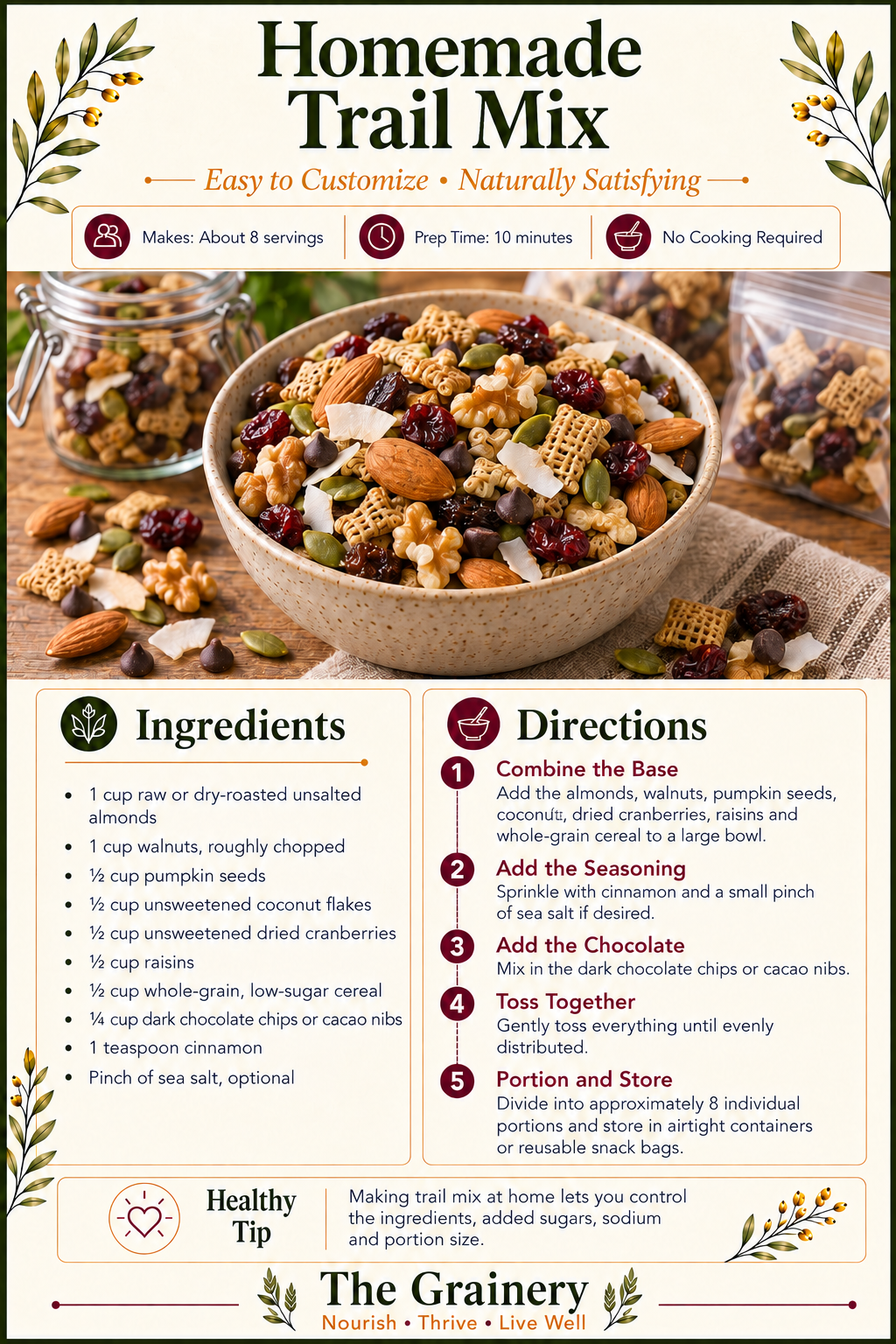
Fiber is another nutrient that can make snacks more satisfying while helping you build a healthier overall diet. Fruits, vegetables, beans, whole grains, nuts and seeds are all good sources of fiber. The FDA lists the Daily Value for dietary fiber as 28 grams per day based on a 2,000-calorie diet, although individual needs can vary. An apple, pear, berries, carrots, popcorn, almonds, pumpkin seeds or a homemade trail mix can all contribute fiber throughout the day.
Increasing fiber gradually is important, especially if your current diet is relatively low in fiber. And don't forget water. As you increase high-fiber foods, adequate fluid intake becomes an important part of the process.
Fruit Is a Snack—Not Something to Fear
Another common misconception is that fruit is somehow a poor snack because it contains natural sugar. Whole fruit is much more than sugar. It also provides water, fiber, vitamins, minerals and other plant compounds. The American Heart Association recommends including a variety of fruits and vegetables as part of a healthy dietary pattern. An orange, apple, banana, pear, handful of berries or cup of grapes can be one of the simplest snacks available.
If you're looking for something more substantial, pair fruit with nuts, nut butter, yogurt or cheese. That combination can turn a simple piece of fruit into a satisfying snack.
Pay Attention to Packaged Snacks
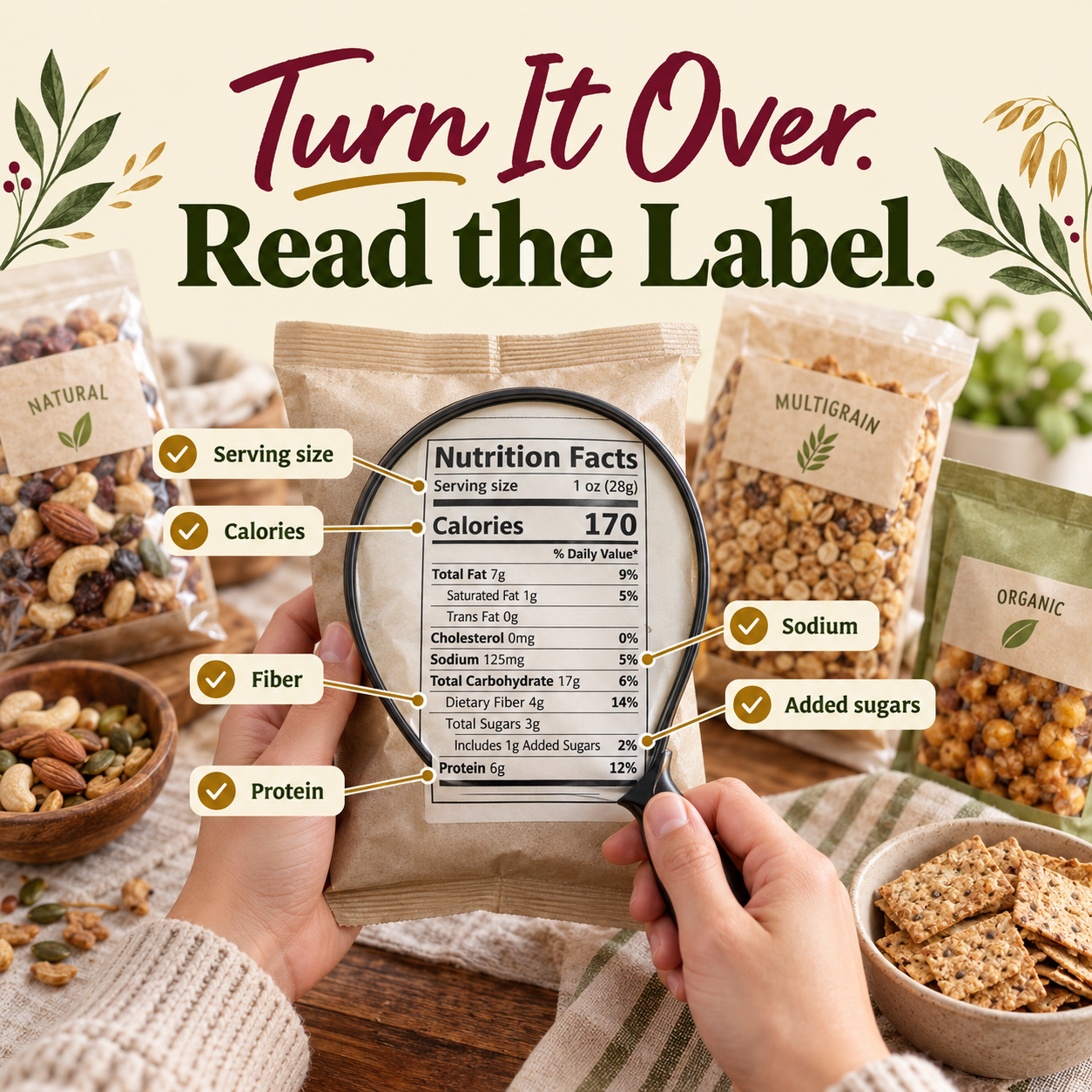
Healthy snacking doesn't mean you have to avoid packaged foods. There are plenty of nutritious packaged options available. The important thing is learning how to read the label. Look at the serving size first. Then check calories, protein, fiber, sodium and added sugars. A product may appear healthy because the front of the package features words such as “natural,” “multigrain,” “organic” or “made with real ingredients.” Those terms don't tell you everything you need to know about the nutritional profile.
The Nutrition Facts label gives you more useful information. The CDC recommends reading labels and choosing foods with lower amounts of added sugars and sodium when appropriate. This doesn't mean you need to obsess over every number. It simply means that the label gives you an opportunity to make an informed choice.
Portion Size Still Matters
Even nutritious foods can contribute more calories than you intended when portions get out of hand. This is particularly important with calorie-dense foods such as nuts, seeds, nut butters, dried fruit and trail mix. These foods can absolutely be part of a healthy eating pattern. But because they contain concentrated calories, it can be easy to eat several servings without realizing it.
Instead of eating directly from a large bag, consider portioning snacks into small containers or reusable bags. This is one of the easiest ways to turn a healthy food into a convenient healthy habit. A homemade trail mix is a perfect example. Make a large batch, divide it into individual portions and keep a few in your pantry, desk, gym bag or car.
Plan for the Afternoon
For many people, the afternoon is where healthy eating habits begin to fall apart. Breakfast happened hours ago. Lunch may have been light. Energy is dropping. Dinner isn't ready yet. That's when the vending machine, drive-through or office candy bowl starts looking particularly appealing. The solution isn't necessarily more willpower. It's preparation.
If healthy food is already available, you're much more likely to eat it. Keep fruit visible on the counter. Prepare vegetables ahead of time. Portion nuts into small containers. Keep Greek yogurt available in the refrigerator. Make your own trail mix. Have whole-grain crackers and hummus ready to go. USDA MyPlate recommends keeping nutritious snacks visible and within reach because convenience can make healthy choices easier.
In other words, make the healthy choice the easy choice.
Snack Smart Challenge
Build balanced snacks, investigate labels, and make the healthy choice the easy choice.
Snacking Around Exercise
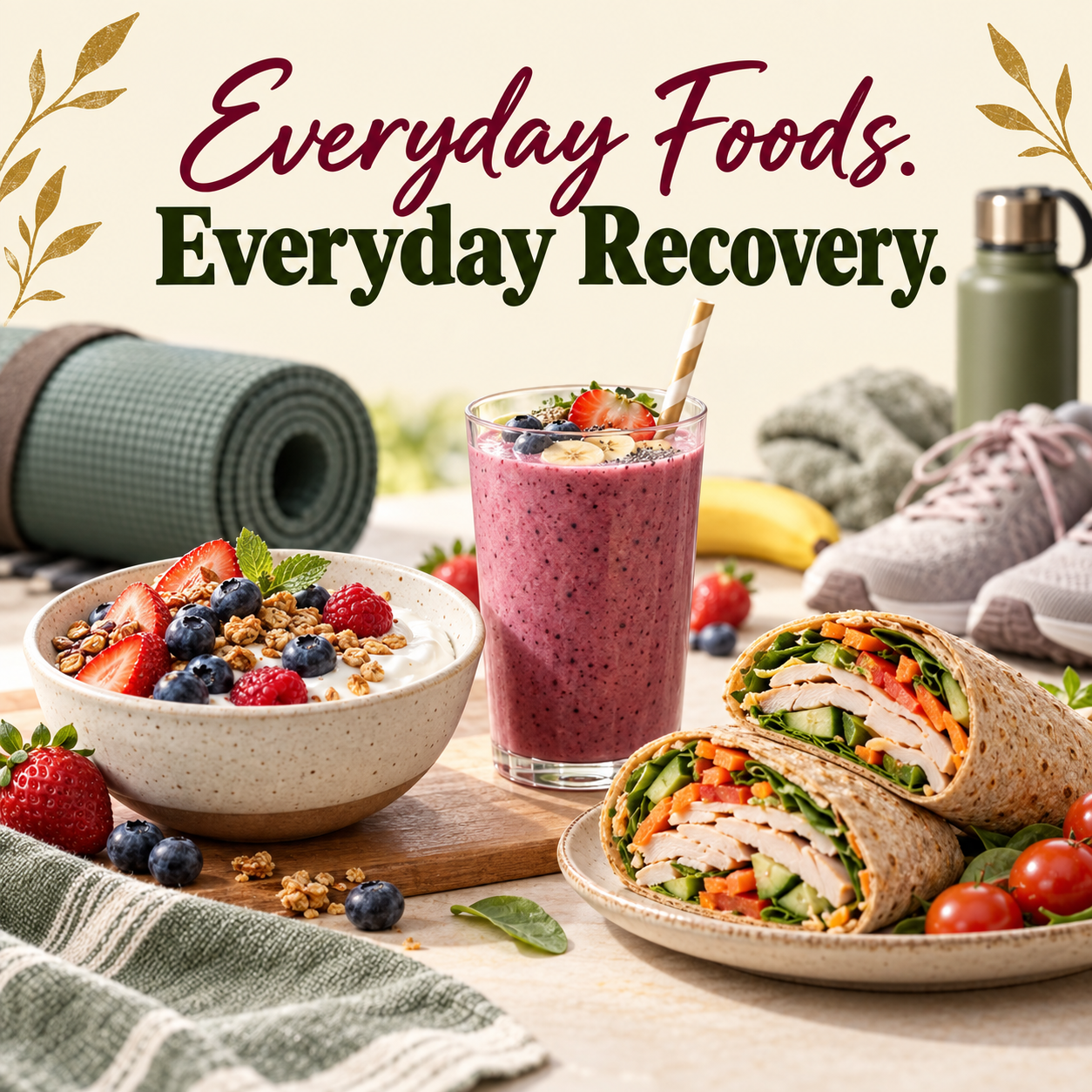
For active people, snacks can also serve a specific purpose. A small snack before exercise can provide energy, while a snack after exercise can help you begin replacing nutrients used during training. The ideal choice depends on the timing and intensity of the workout. Before exercise, some people may prefer something relatively easy to digest, such as a banana, toast with nut butter or yogurt and fruit.
After exercise, combining protein with carbohydrate can be useful—for example, Greek yogurt with berries, a smoothie containing fruit and protein, or a turkey-and-whole-grain wrap. The important thing is not to assume that every workout requires a special supplement or sports product. For many everyday workouts, ordinary foods can do the job very well.
Healthy Snacking Is About the Pattern
Ultimately, healthy snacking isn't about finding the perfect snack. It's about creating a food environment that makes nutritious choices easier and choosing foods that complement the rest of your diet. Some days your snack might be an apple and almonds. Another day it might be Greek yogurt and berries. Maybe it's carrots and hummus. Maybe it's a homemade trail mix.
And sometimes you may simply want a cookie or another favorite treat. There's room for enjoyment in a healthy eating pattern. The goal isn't perfection. The goal is consistency.
When most of your everyday choices emphasize fruits, vegetables, whole grains, protein-rich foods, nuts, seeds and minimally processed foods, an occasional less-nutritious snack doesn't undo your progress. The American Heart Association's current dietary guidance similarly emphasizes the overall eating pattern: plenty of vegetables and fruits, mostly whole grains, healthy protein sources, unsaturated fats, minimally processed foods, and less added sugar and sodium.
So the next time you feel hungry between meals, don't automatically ask yourself, “What can I eat that won't ruin my diet?” Ask a better question:
“What can I eat that will help take care of my body?”
That small change in mindset can transform snacking from something you feel guilty about into another opportunity to nourish yourself. And sometimes, the healthiest snack is simply the one you planned for before you got hungry.
Resources
Centers for Disease Control and Prevention — How to Have Healthier Meals and Snacks
Guidance on building meals and snacks around protein, fruits, vegetables, whole grains and healthy fats while limiting highly processed foods, added sugars and saturated fat.Centers for Disease Control and Prevention — Healthy Eating Tips
Practical guidance on nutrient-dense foods, fiber, sodium, added sugars and building healthier everyday eating habits.U.S. Department of Agriculture MyPlate — Healthy Snacking with MyPlate
Recommendations for combining food groups, preparing snacks ahead of time, choosing fruits and vegetables, and making healthy snacks convenient.American Heart Association — Healthy Snacking
Practical snack ideas featuring fruits, vegetables, whole grains, yogurt, nuts, seeds, hummus and other nutrient-dense foods.American Heart Association — How Can I Eat More Nutrient-Dense Foods?
Explanation of nutrient density and how to replace highly processed snack foods with more nutrient-dense choices.American Heart Association — How to Eat More Fruit and Vegetables
Guidance on increasing fruit and vegetable intake, including ideas for incorporating produce into snacks.American Heart Association — 2026 Dietary Guidance to Improve Cardiovascular Health
Current dietary guidance emphasizing vegetables, fruits, whole grains, healthy protein, unsaturated fats, minimally processed foods, and limiting added sugars and sodium.U.S. Food and Drug Administration — Dietary Fiber and the Nutrition Facts Label
Information about dietary fiber, including the 28-gram Daily Value based on a 2,000-calorie diet.American Heart Association — Your Guide to Healthy Eating Habits That Stick
Practical recommendations for building sustainable healthy eating patterns around fruits, vegetables, whole grains, legumes, nuts, seeds and healthy proteins.American Heart Association — Eat Better: Life's Essential 8
Guidance on developing an overall healthy eating pattern rather than focusing on individual foods.
