

Why Buying Local Matters
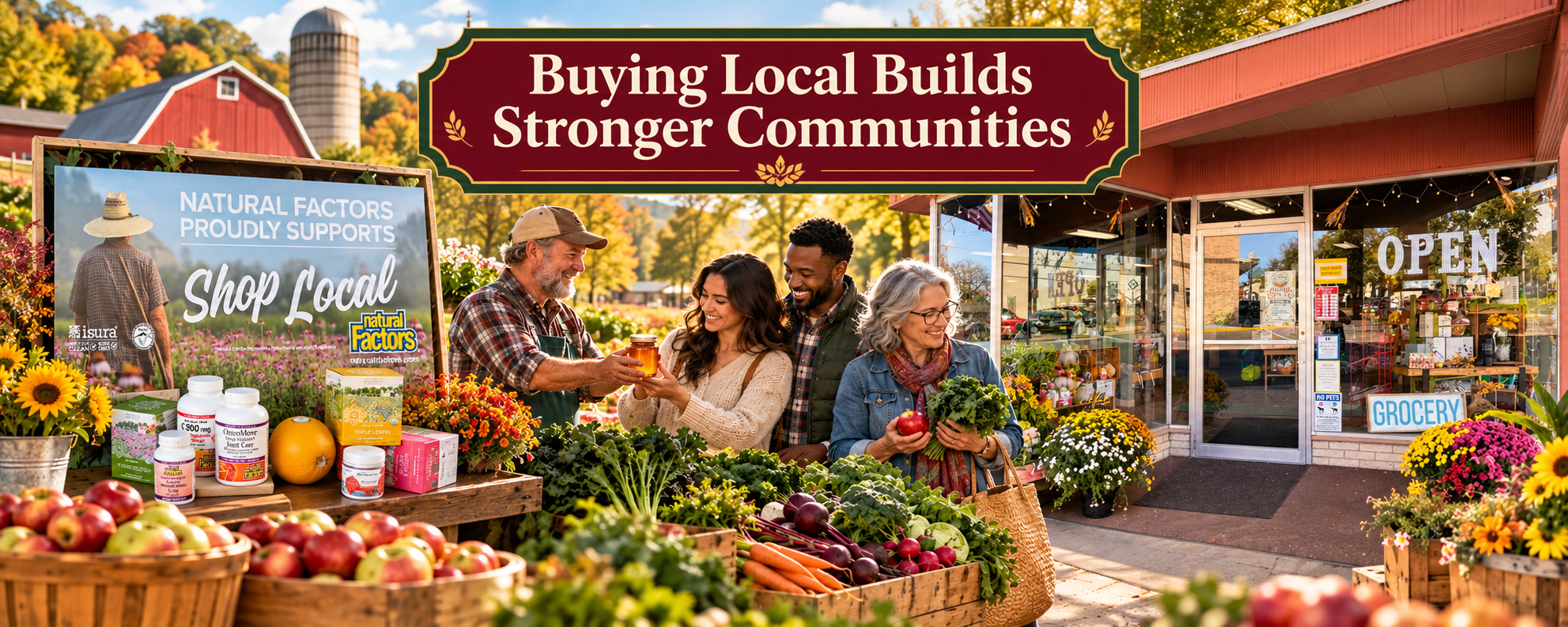
Nourishing Our Community, Supporting Our Farmers, and Building a Healthier Future
When we walk into a grocery store, choose a bag of apples, purchase fresh vegetables for dinner, or pick up a jar of locally made honey, we are doing more than filling our shopping carts. We are making decisions that influence our local economy, our relationships with the people who produce our food, and the future of the communities we call home. Buying local is often discussed as a way to support small businesses, but its significance reaches much further than the transaction itself. It can help connect consumers with farmers, create opportunities for independent businesses, encourage seasonal eating, and preserve the agricultural traditions that make communities like ours in Wisconsin special.
At The Grainery, we believe that wellness involves more than the foods we eat or the supplements we take. It also involves the choices we make every day, the relationships we build, and the communities we help sustain. Buying local offers a practical way to bring these values together by supporting the people who grow, raise, produce, and prepare the foods that nourish our families.
Every Purchase Is an Opportunity to Make a Local Connection
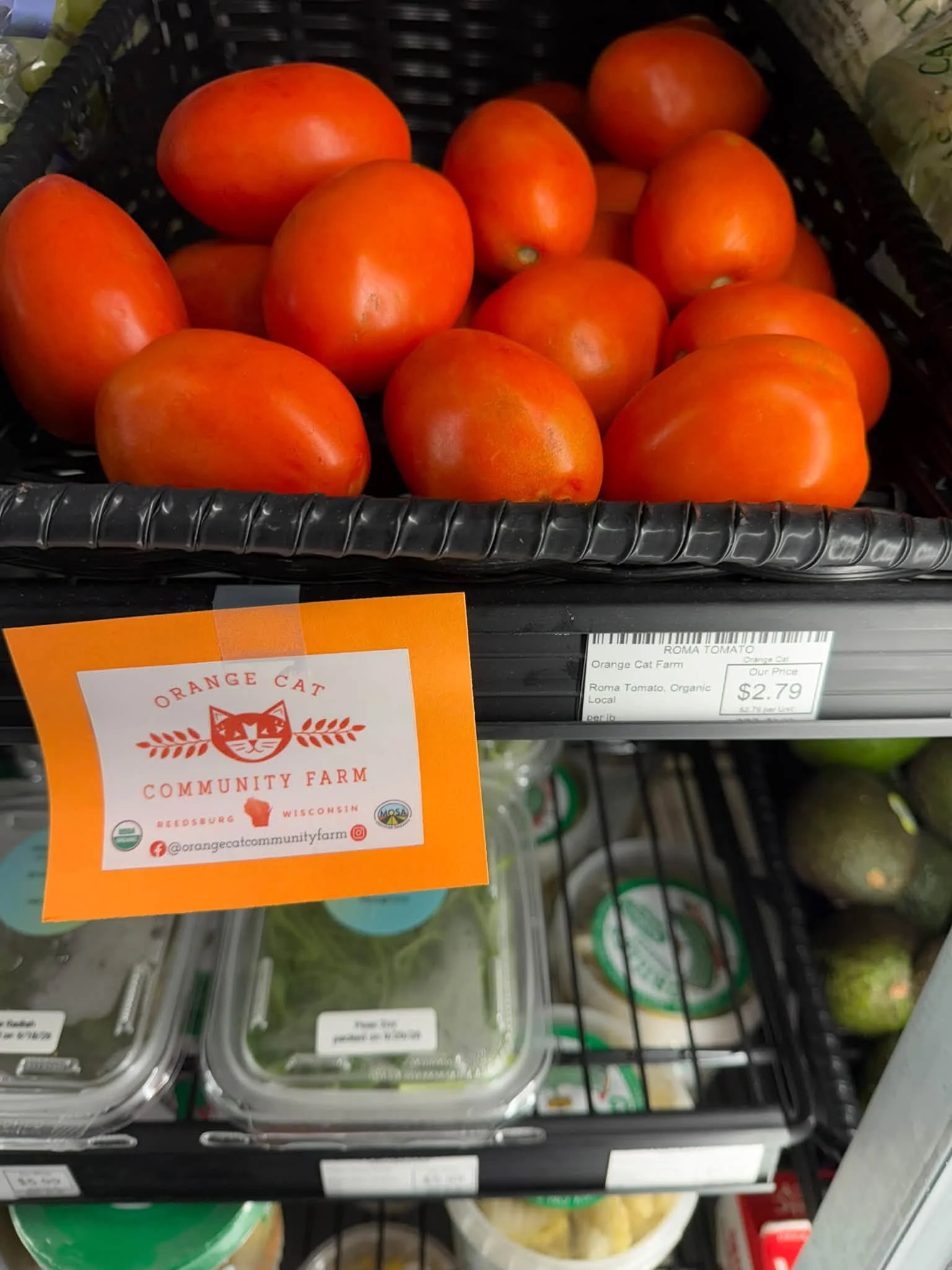
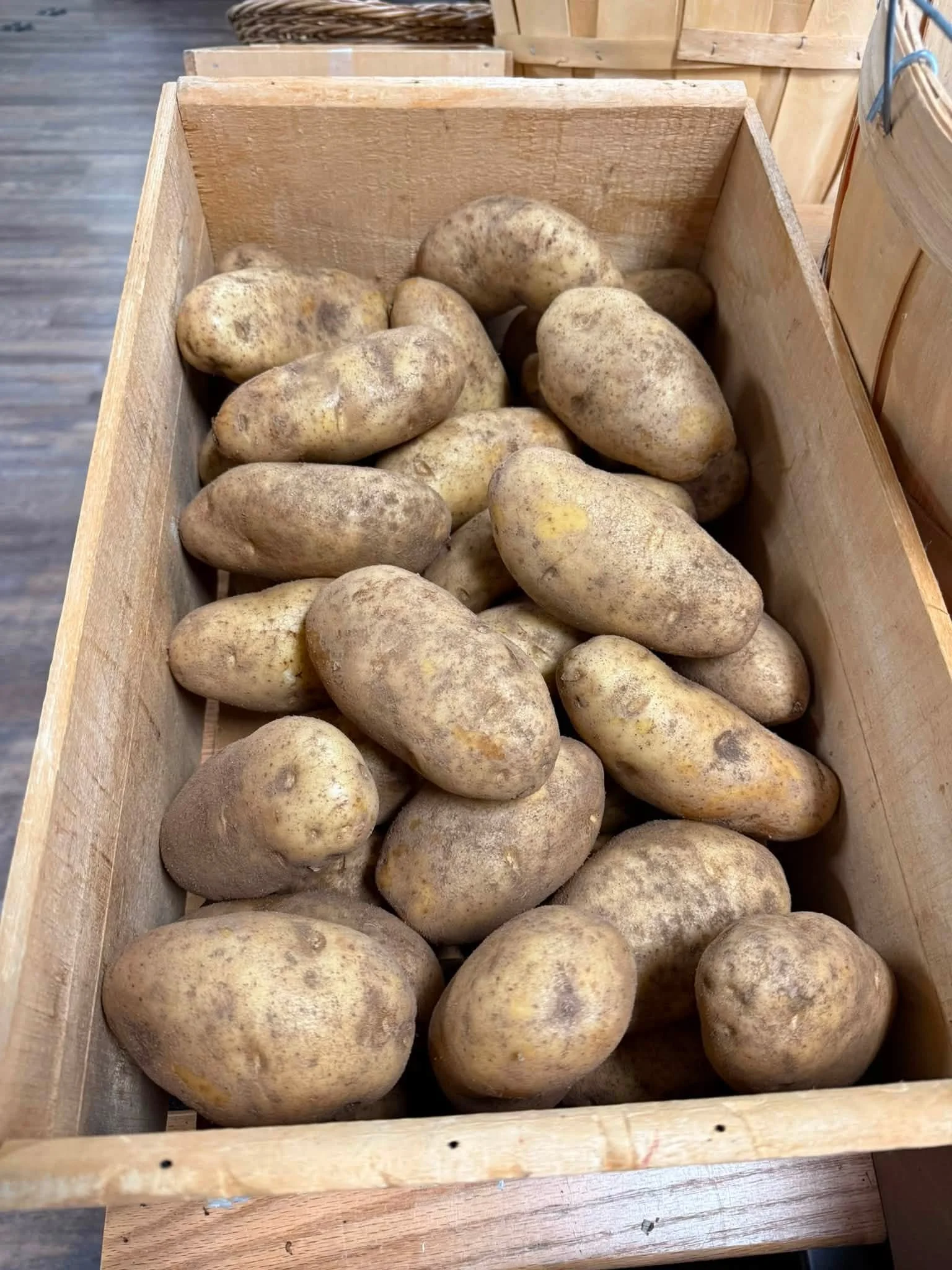
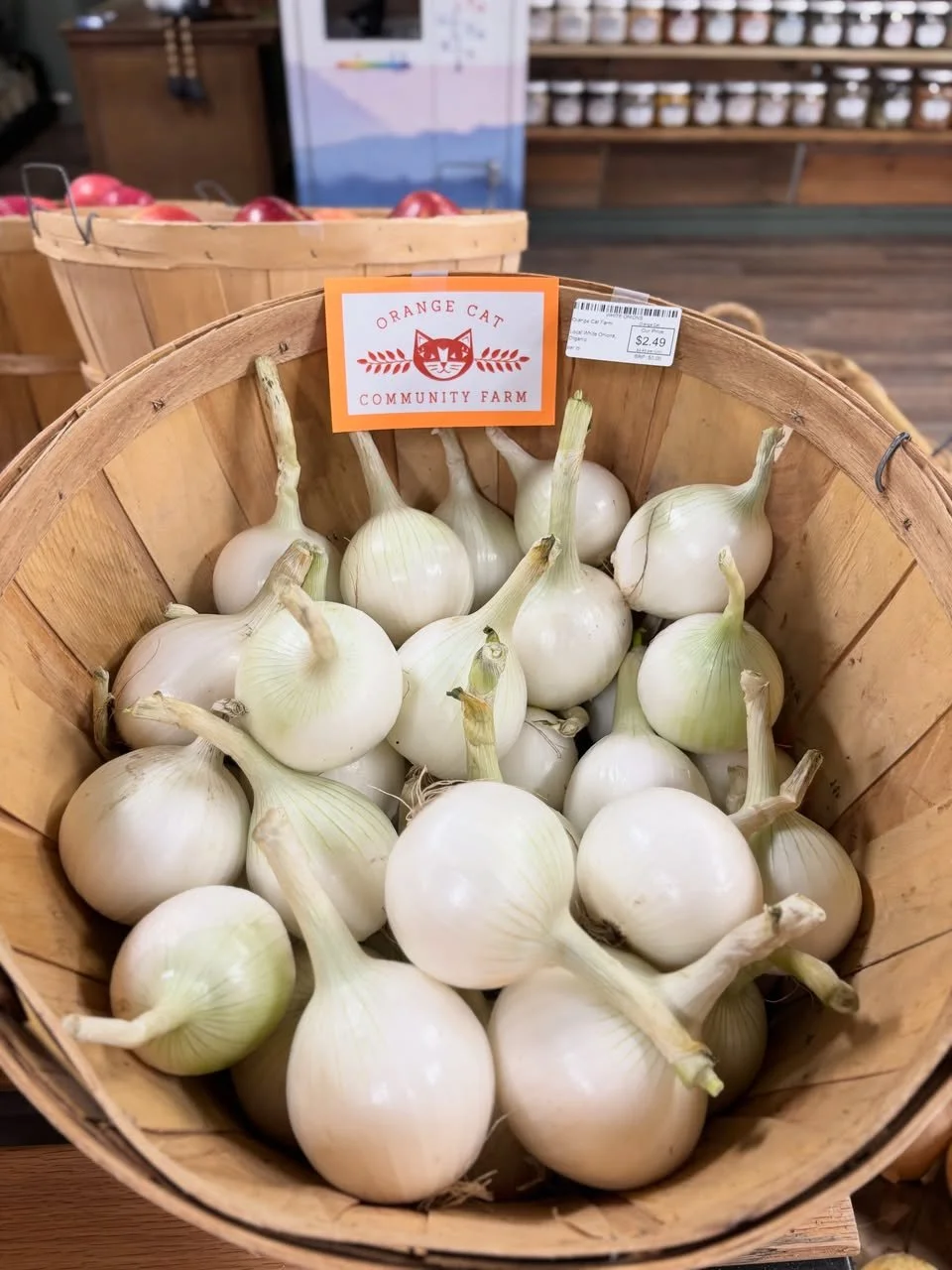
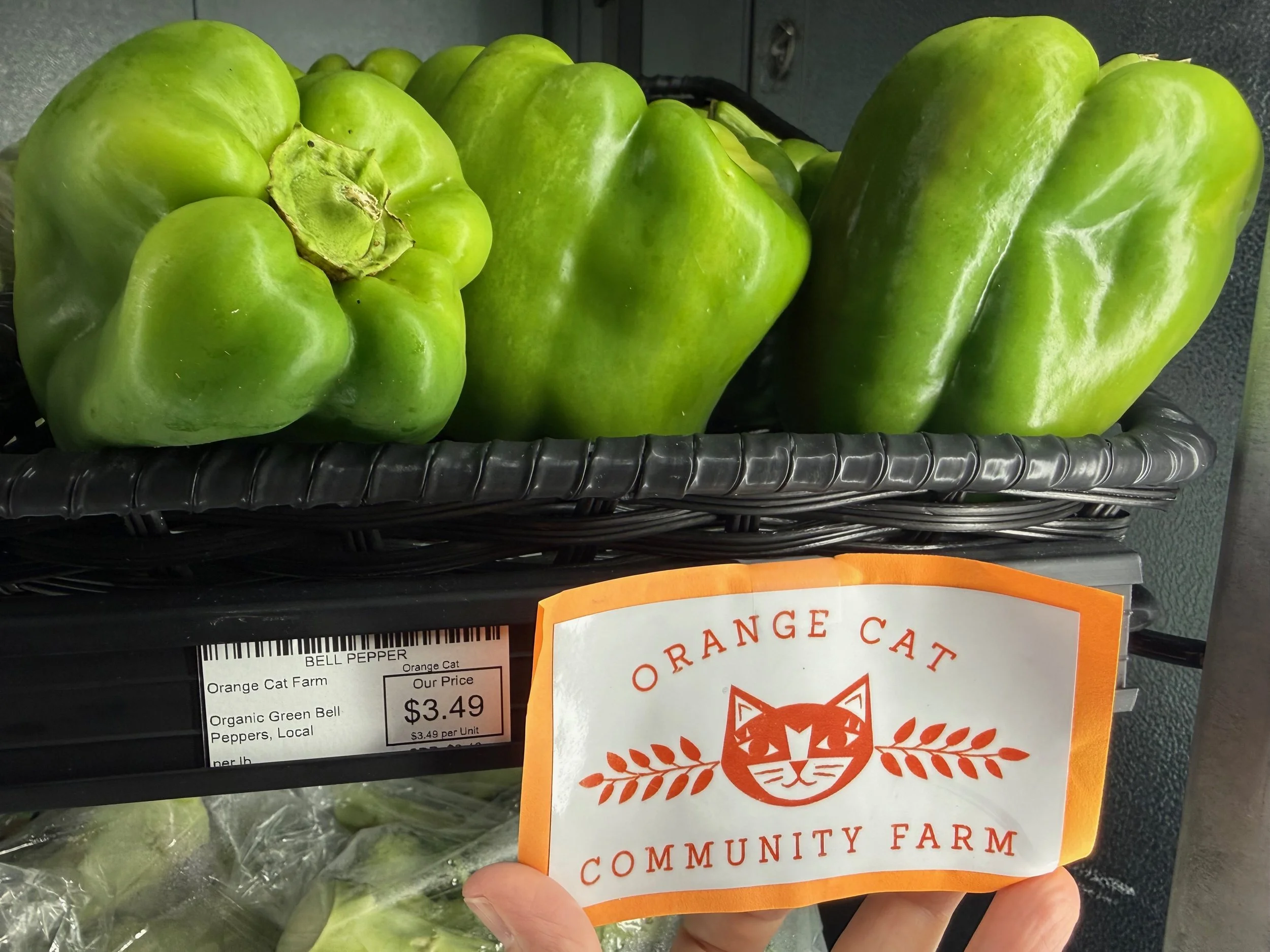
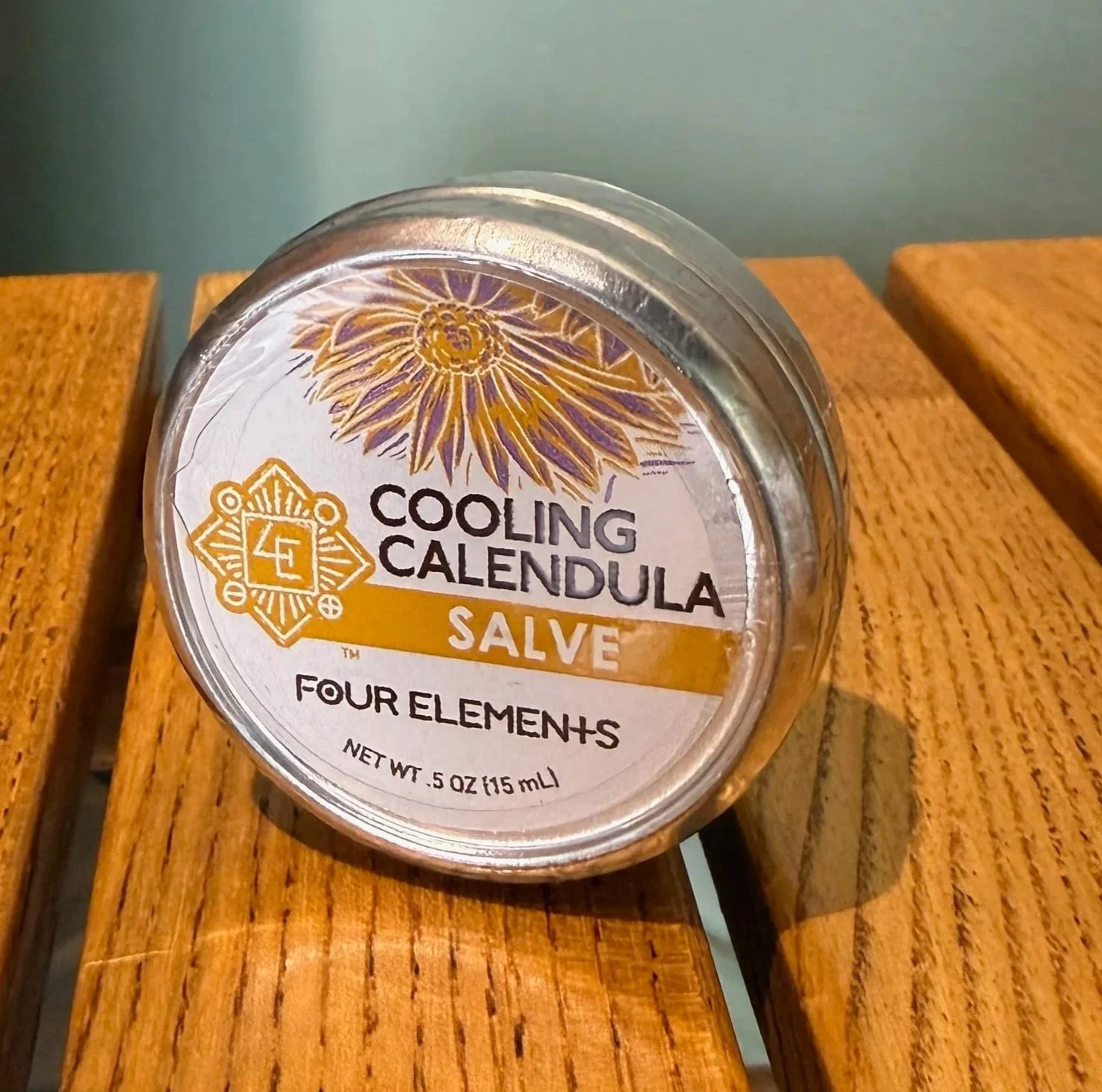
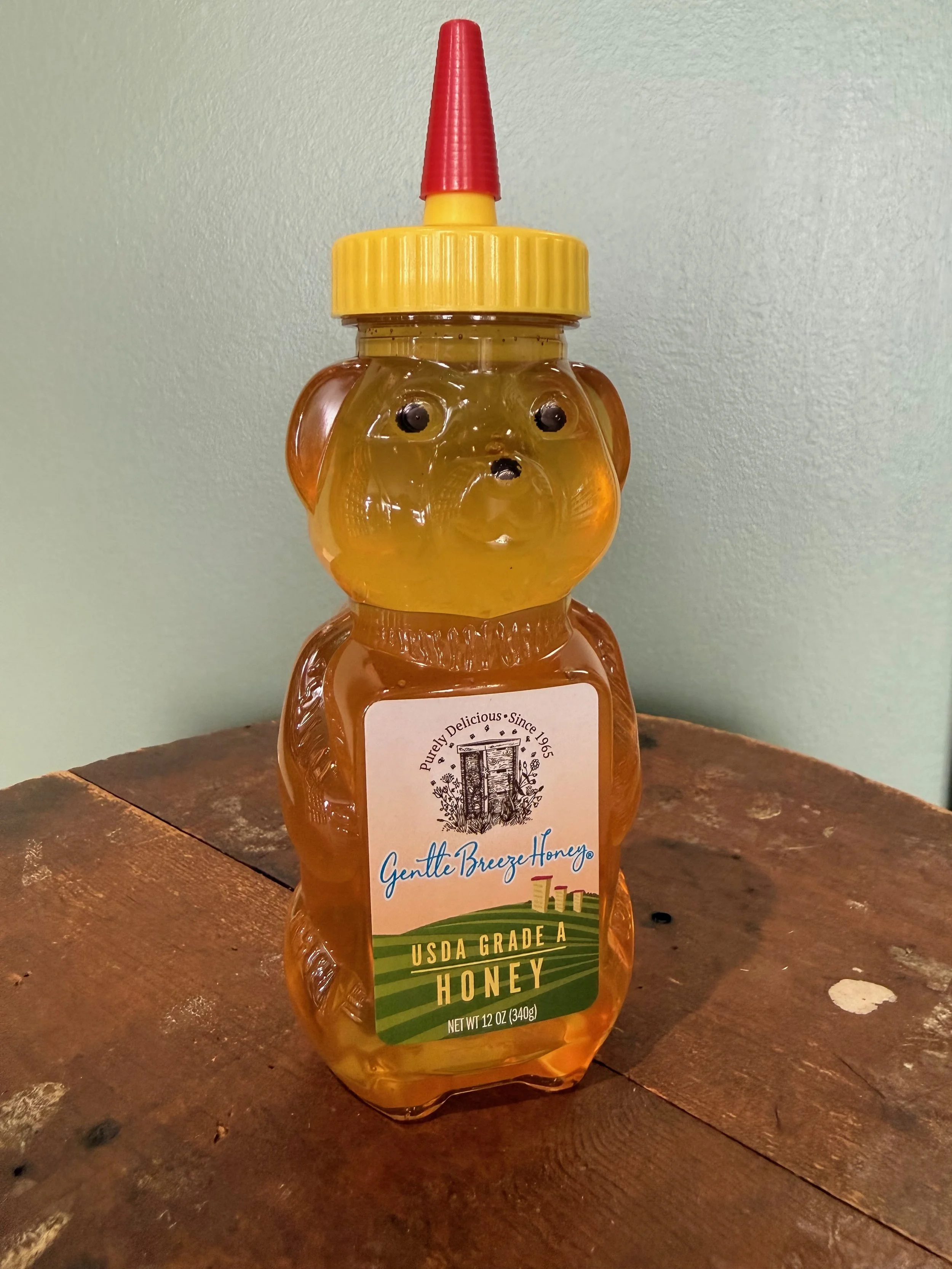
Buying local is not about achieving perfection, and it does not require us to abandon the convenience of the modern food system. It is about becoming more aware of the people and places behind the products we purchase and recognizing that our decisions can help create opportunities for nearby farms and independent businesses. Each time we choose a locally produced food, ask a farmer a question, visit a neighborhood market, or prepare a meal with seasonal ingredients, we strengthen our connection with the food system around us.
At The Grainery, we encourage our community to think of wellness as a collection of everyday choices that support both personal health and community vitality. Supporting local producers can be one of those choices, especially when it is paired with a balanced diet, thoughtful meal planning, and an appreciation for the people who grow and make our food.
As you shop, consider choosing one item from a nearby producer and learning a little more about its story. That purchase may seem small, but it can help build a more connected relationship between the people who grow our food and the people who enjoy it. When more of us make room for those connections, we help nurture a food culture that values community, seasonal abundance, and the people behind every harvest.
Buying local matters because food is more than a product on a shelf; it is part of our economy, our environment, our culture, and our shared well-being. By choosing thoughtfully and supporting local producers whenever practical, we can help our communities thrive one meal and one purchase at a time.
Keeping Our Local Economy Strong
One of the most meaningful reasons to buy local is that our spending can help sustain the businesses and workers who make our communities vibrant. When we purchase food directly from a nearby farmer or buy products from an independently owned local retailer, we create revenue opportunities for businesses that are connected to our region. Those businesses may, in turn, purchase supplies, hire employees, contract with other local services, and spend money within the same community. Although the economic effects vary depending on the business and supply chain, local purchasing can help strengthen the network of relationships that supports a regional economy.
Small farms and independent food producers often face challenges when competing with large agricultural operations and national distribution systems. They may have limited production capacity, higher per-unit processing costs, seasonal revenue fluctuations, and fewer opportunities to access large retail markets. Selling directly to consumers or supplying nearby stores and restaurants can give these producers additional ways to reach customers and develop lasting business relationships. The United States Department of Agriculture recognizes local and regional food systems as important opportunities for farmers, ranchers, food businesses, and entrepreneurs to participate in markets that connect production with consumers.
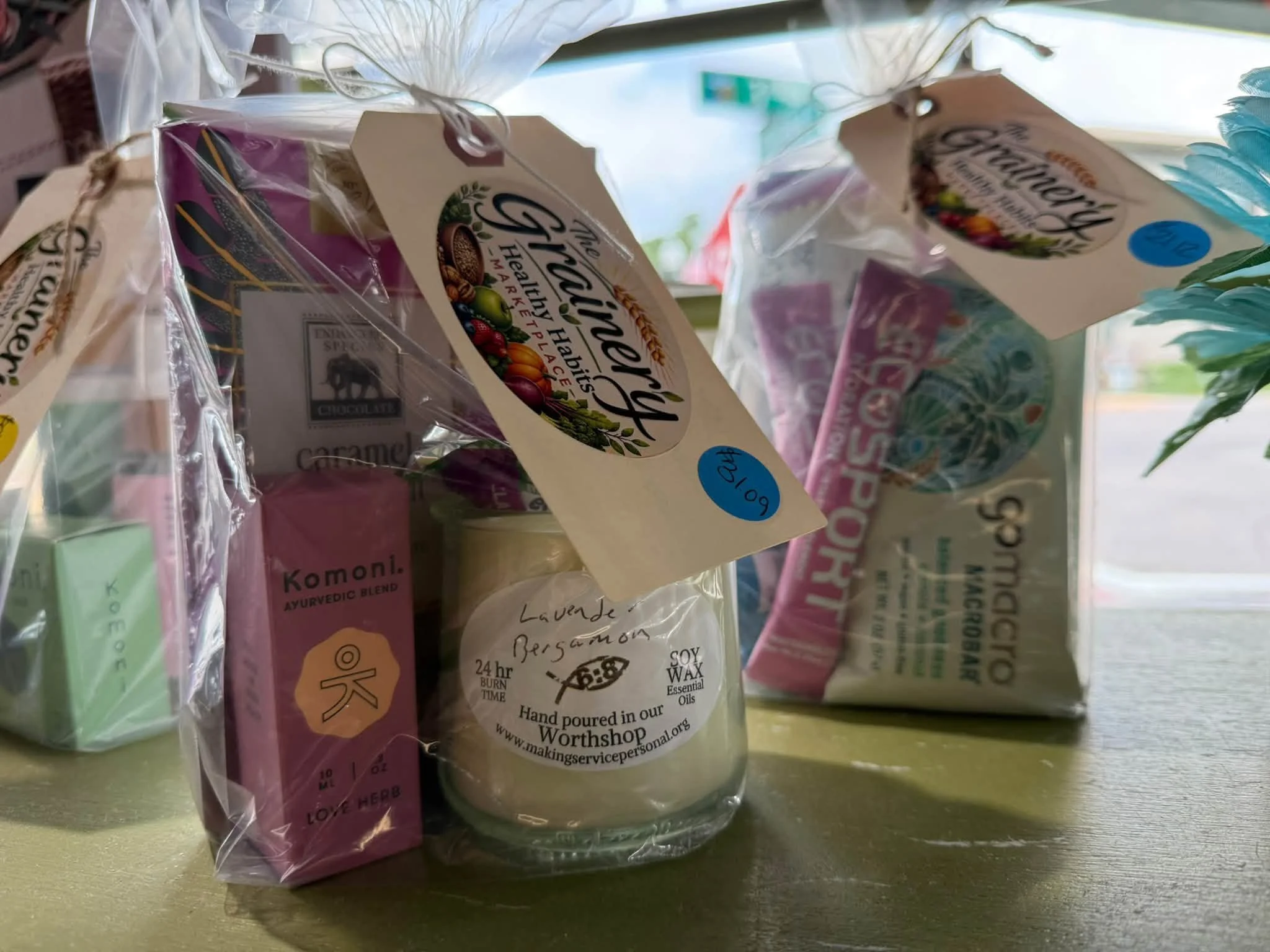
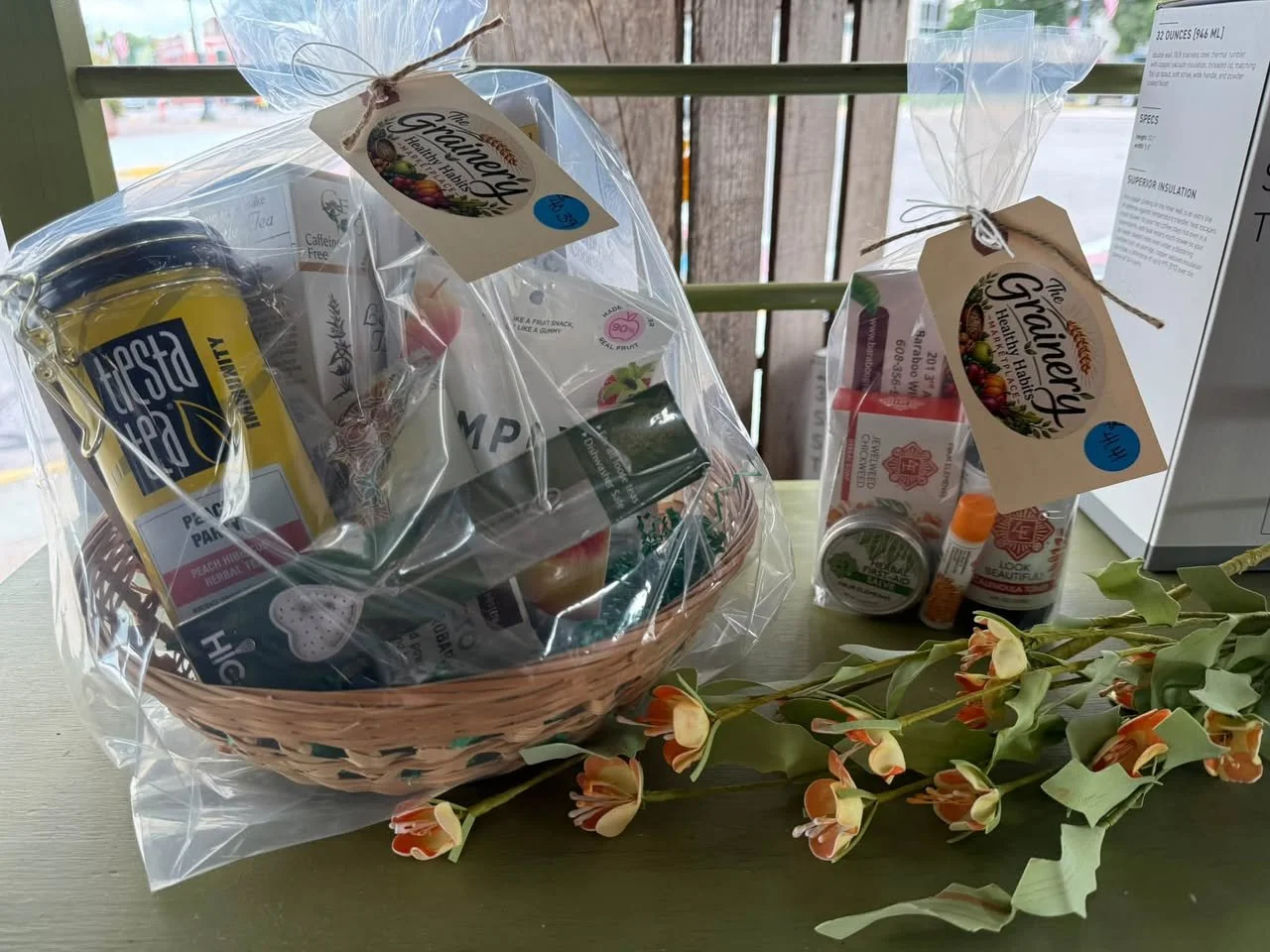
For shoppers, supporting local businesses does not mean that every purchase must be made from a nearby producer. Instead, it means recognizing that our spending choices have value and making room in our budgets for businesses that contribute to our communities. Choosing local eggs when they are available, purchasing organicly grown vegetables at The Grainery, or selecting a locally produced pantry item can be small decisions that help build stronger connections between consumers and producers.

Building Relationships With the People Who Produce Our Food
Modern food distribution systems make it possible to purchase products from around the world, but they can also make it difficult to know where our food originated or who was responsible for producing it. Buying local can help close that distance by giving us opportunities to meet farmers, ask questions, learn about production practices, and understand the work involved in bringing food from a field or farm to our kitchens.
When you purchase produce from a local grower, you may be able to learn which varieties are in season, how the weather has affected the harvest, and which vegetables will be available in the coming weeks. When you buy eggs, meat, honey, or other farm products directly from a producer, you may have the opportunity to ask about animal care, processing, storage, or the methods used to create the product. These conversations do not automatically guarantee a particular production standard, but they allow consumers to make more informed decisions and give producers a chance to explain their practices.
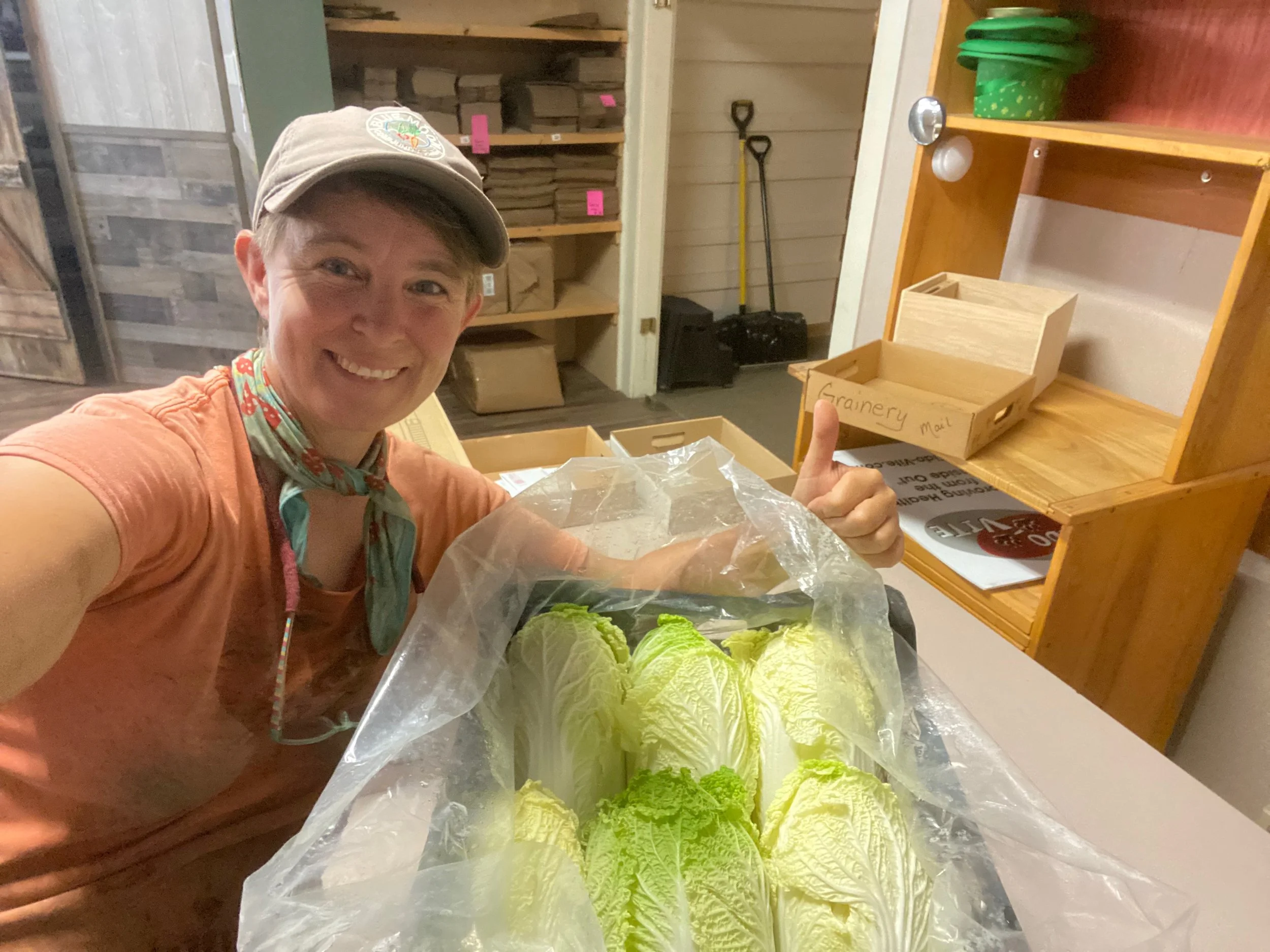
These relationships also help us appreciate the skill and uncertainty involved in agriculture. Farmers must work with changing weather conditions, soil quality, pests, seasonal labor needs, equipment costs, and unpredictable market prices. A successful harvest depends on far more than planting a seed and waiting for it to grow. Understanding these challenges can deepen our appreciation for the people who help keep our food supply moving and remind us that agriculture is an essential part of our regional identity.
A local food purchase can therefore become more than an exchange of money for a product. It can become an opportunity to learn, build trust, and develop a stronger connection with the people who help nourish our community.
Eating With the Seasons Can Bring More Variety to Your Kitchen
Buying local also encourages us to pay attention to the seasons and the foods that grow well in our region. Wisconsin's growing season offers a changing selection of produce throughout the year, with spring greens and radishes giving way to summer berries, tomatoes, cucumbers, and zucchini before autumn brings apples, squash, potatoes, carrots, and other cool-weather favorites. The precise selection varies with weather, growing conditions, storage practices, and the farms supplying the market, but seasonal availability gives us a natural reason to change what we cook throughout the year.
Seasonal eating can make meal planning more interesting because it encourages us to work with ingredients that are currently abundant. Instead of preparing the same vegetable dishes every week, we can experiment with roasted root vegetables in autumn, fresh salads during warmer months, and hearty soups when the temperatures drop. Buying local may also introduce us to unfamiliar varieties of produce or traditional foods that are not always prominent in national grocery advertisements.
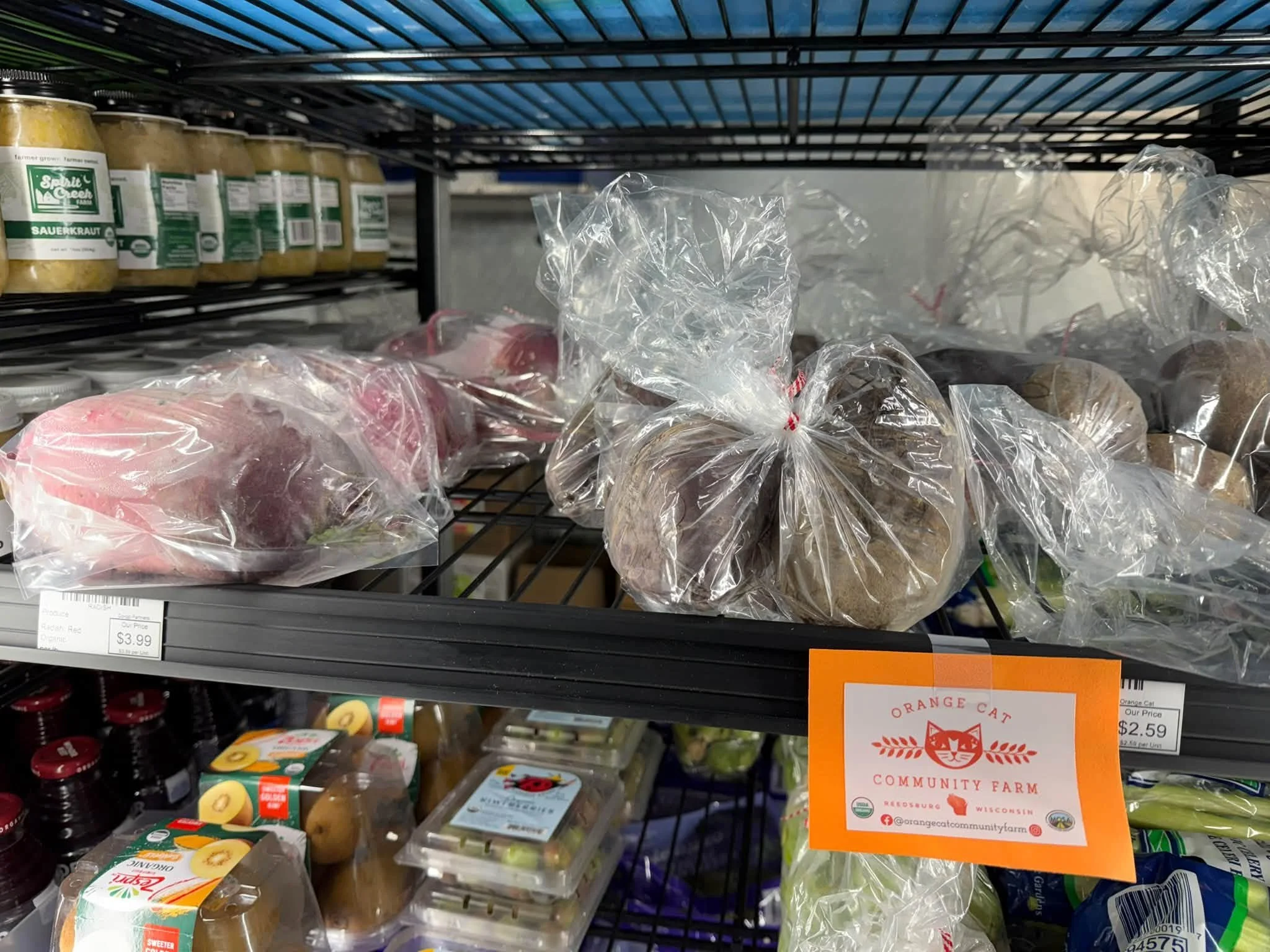
There is an important nutritional benefit to this variety as well. Different fruits and vegetables supply different combinations of fiber, vitamins, minerals, and plant compounds, so including a broad range of colorful produce in our meals helps us obtain a wider variety of nutrients. However, local food is not automatically more nutritious simply because it was grown nearby, and local produce does not replace the value of frozen or imported fruits and vegetables when those options make healthy eating more accessible. Overall diet quality, food handling, storage, and the types of foods we eat remain important.
One useful approach is to let seasonal availability inspire our menus while continuing to choose a variety of foods throughout the year. When fresh local produce is plentiful, enjoy it in salads, grain bowls, soups, and roasted vegetable dishes. When certain crops are no longer in season, consider frozen produce, stored root vegetables, preserved foods, and other nutritious options that fit your budget.
Does Buying Local Help the Environment?
Environmental benefits are another reason people consider buying local, although the relationship between food production and environmental impact is more complex than the distance a product travels. Transport contributes to the environmental footprint of food, but production methods, refrigeration, storage, processing, packaging, and transportation efficiency can all influence the final impact. Research reviewed by the USDA has found that evidence is not conclusive that localizing food systems automatically reduces energy use or greenhouse gas emissions in every situation.
This does not mean local purchasing has no environmental value. It means we should look at the full picture rather than assuming that a product is environmentally preferable simply because it comes from a nearby farm. A locally grown crop produced with thoughtful soil management, efficient water use, and appropriate pest management may offer advantages, but the specific practices matter. Similarly, buying food in season, reducing waste, selecting appropriate packaging, and planning meals around ingredients we will actually use can contribute to more responsible food consumption.
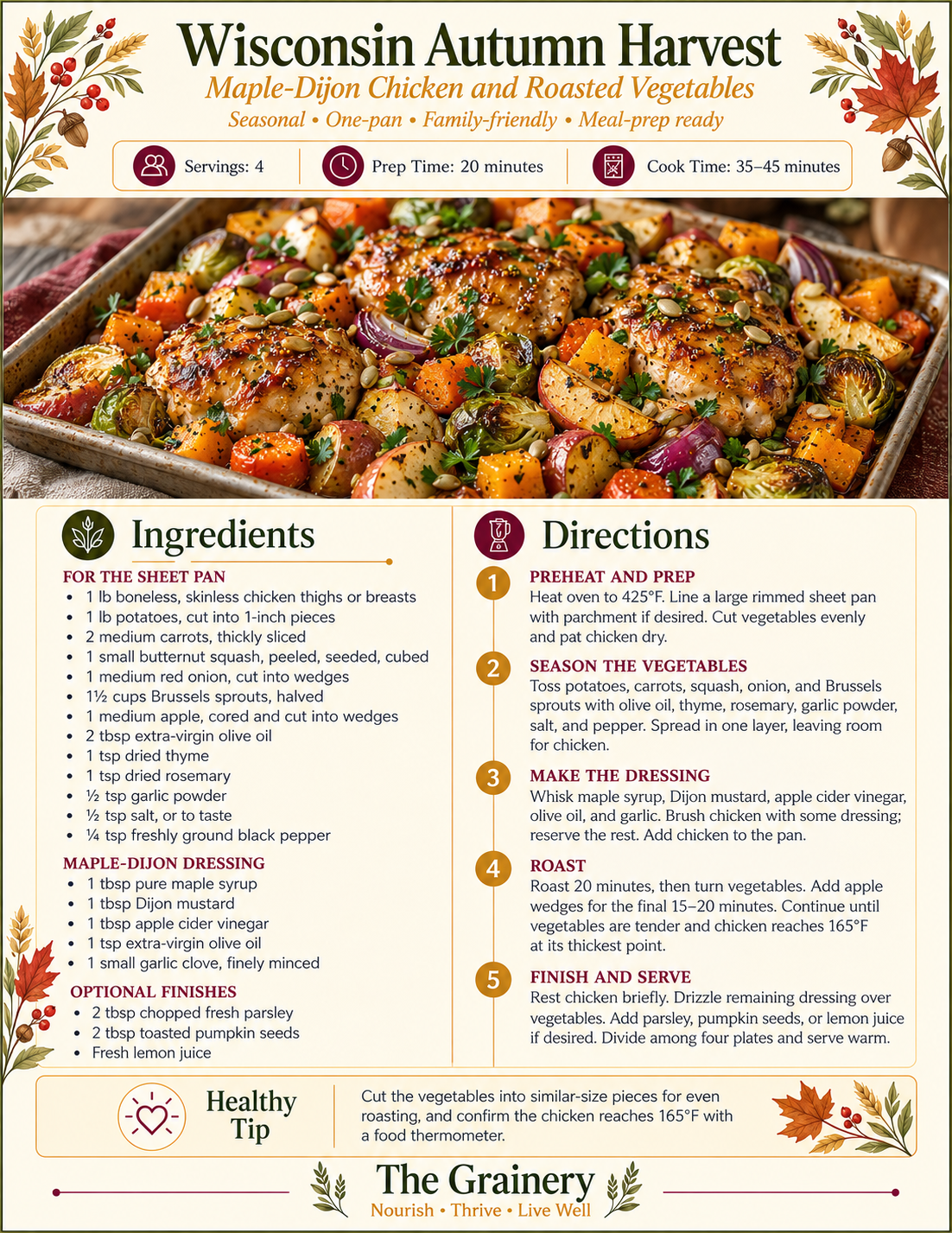
Food waste is especially important because the resources used to grow, process, transport, and prepare food are wasted when that food is discarded. One practical way to reduce waste is to purchase quantities that match your household's needs and plan several meals around the same seasonal ingredients. If you buy a large amount of carrots, for example, you might use some in a sheet-pan dinner, add others to soup, and grate the remainder into a salad. This approach makes it easier to enjoy the harvest while getting the most from each purchase.
Buying local works best as part of a broader commitment to thoughtful consumption rather than as a single solution to environmental challenges. By combining local purchasing with seasonal cooking, sensible meal planning, reusable shopping bags, and food-waste reduction, we can make everyday choices that are more intentional.
Supporting Local Food Helps Preserve Community Identity
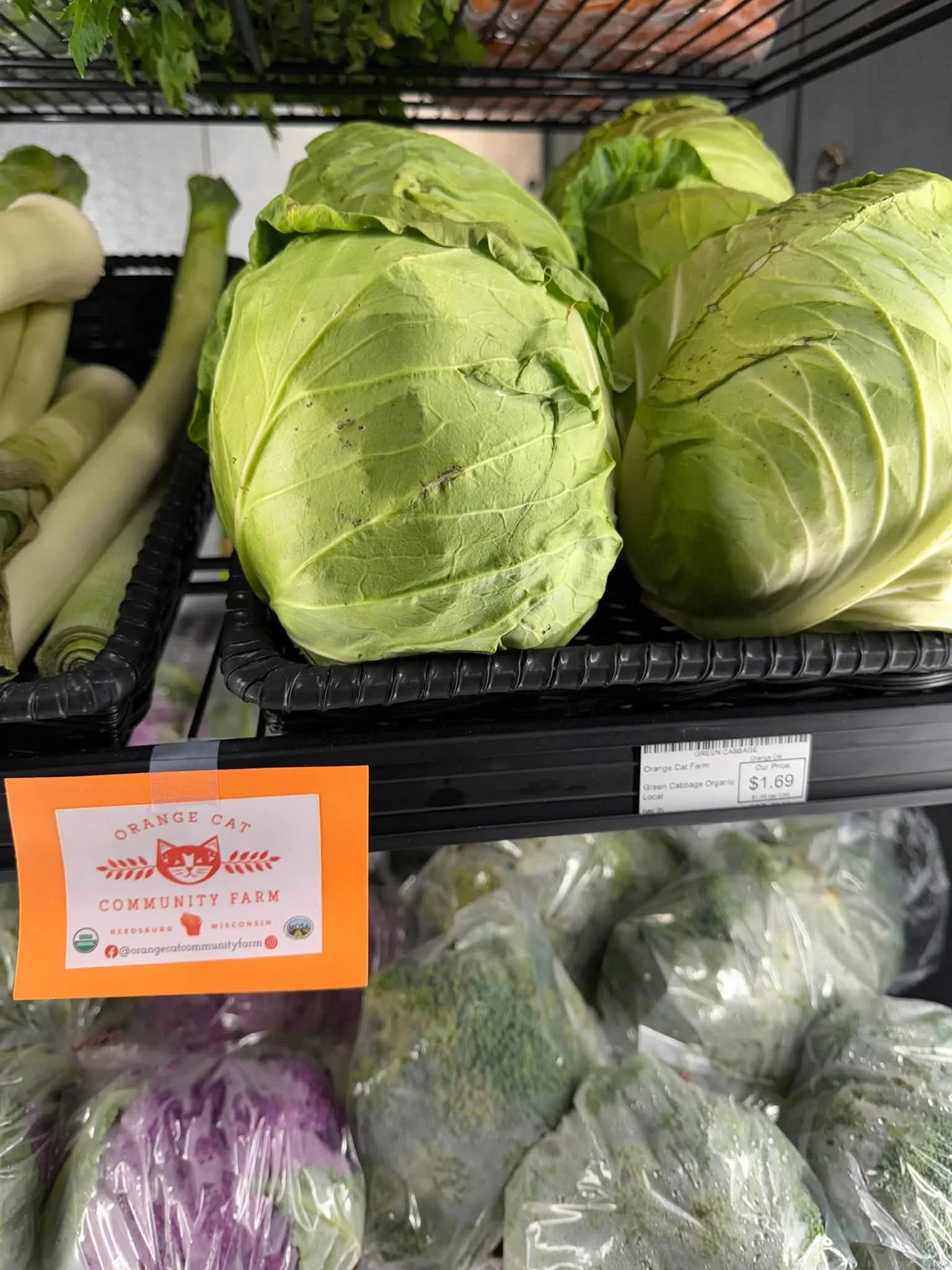
Food tells stories about the places where we live. The crops that thrive in a region, the products made by local producers, and the traditions surrounding family meals all contribute to a community's identity. In Wisconsin, agriculture has long been woven into rural life, local business, and the relationships between towns and the surrounding countryside. Supporting local food producers helps keep these connections visible and gives residents more opportunities to understand the agricultural landscape around them.
Local farms can also create opportunities for education and community involvement. Farmers markets, farm visits, seasonal events, community-supported agriculture programs, and farm-to-school initiatives help children and adults learn where food comes from and how agricultural production works. The USDA's farm-to-school resources describe how connecting schools with local producers can support farmer relationships while helping students learn about food, agriculture, and nutrition.
These connections matter because food literacy is a practical life skill. When children understand how vegetables grow, why crops have seasons, and how food reaches the table, they gain a stronger foundation for making informed food choices as they grow older. Adults benefit from this knowledge as well, particularly when they are learning to cook unfamiliar ingredients, reduce waste, or make the most of a seasonal harvest.
Community identity is not preserved by nostalgia alone. It is sustained when people continue to participate in local life, support the businesses that serve them, and create opportunities for the next generation of producers and entrepreneurs. Choosing local food can be one small but meaningful part of that effort.
Local Does Not Have to Mean Expensive or Inconvenient
One common concern about buying local is the possibility that it will cost more than conventional alternatives. In some cases, locally produced foods may carry higher prices because smaller producers face different production, labor, processing, packaging, and distribution costs. In other cases, seasonal abundance, direct purchasing, bulk quantities, or reduced handling can create competitive value. The cost depends on the product, the producer, the season, and the way it is sold.
The best strategy is to make local purchasing realistic rather than treating it as an all-or-nothing commitment. Start with foods your household already buys regularly, compare prices and quantities, and prioritize products that offer good value for your needs. Seasonal vegetables, apples, potatoes, eggs, beans, grains, and other staples can be useful starting points when available from local or regional suppliers at a price that fits your budget.
It is also worth remembering that a healthy food budget is built around the overall pattern of what we eat, not just the origin of every ingredient. Frozen vegetables, canned beans, whole grains, and other affordable staples can complement local products and make nutritious meals more accessible throughout the year. A practical combination of fresh local foods and dependable pantry ingredients often offers a better balance than trying to source everything locally regardless of cost or availability.
Consumers who want to discover nearby producers can use the USDA's local food directories to find farmers markets, community-supported agriculture programs, food hubs, and on-farm markets. Wisconsin residents can also explore resources from the Wisconsin Department of Agriculture, Trade and Consumer Protection, including state and regional food directories that help connect buyers with producers.
Resources
USDA National Institute of Food and Agriculture — Local and Regional Food Systems
An overview of the role local and regional food systems can play in supporting agricultural businesses, strengthening food networks, and improving access to food.
Local and Regional Food Systems
USDA Agricultural Marketing Service — Local and Regional Food System Resource Guide
A resource guide exploring local food markets, community connections, agricultural businesses, and opportunities for farmers to reach consumers through regional food systems.
Local and Regional Food System Resource Guide
USDA Economic Research Service — Local Food Systems: Concepts, Impacts, and Issues
A research report examining the meaning of local food, the characteristics of local producers, and the potential economic, nutritional, and environmental effects of local food systems.
Local Food Systems: Concepts, Impacts, and Issues
USDA Agricultural Marketing Service — Local Food Directory Listings
A searchable resource for finding farmers markets, community-supported agriculture programs, food hubs, and on-farm markets.
USDA Local Food Directories
Wisconsin Department of Agriculture, Trade and Consumer Protection — Know Your Farmer
Wisconsin-specific resources for finding farmers, regional food directories, farmers markets, and connections between local producers and buyers.
Wisconsin Know Your Farmer Resources
University of Wisconsin–Madison Division of Extension — Wisconsin Local Food Locator
A tool designed to help consumers find local food producers by product type and county. The university notes that its information was last validated in 2023, so some listings may need verification.
Wisconsin Local Food Locator
USDA National Agricultural Library — What Makes Food Local?
An educational resource exploring how local food connects consumers with farmers, agricultural traditions, and the people responsible for producing their food.
What Makes Food Local?
