

Fuel Your Workout: What to Eat Before and After Exercise for Better Energy and Recovery

Have you ever started a workout feeling sluggish, run out of energy halfway through a training session, or finished exercising feeling so hungry that you wanted to eat everything in sight? These experiences can be influenced by many factors, including sleep, stress, training intensity, hydration, and nutrition. While no single food can guarantee a great workout, the meals and snacks you choose before and after exercise can help support your energy, performance, recovery, and long-term health.
Pre- and post-workout nutrition does not need to be complicated, expensive, or dependent on a cabinet full of supplements. In fact, some of the most effective choices come from familiar whole foods, such as oatmeal, bananas, eggs, yogurt, beans, brown rice, lean poultry, and vegetables. The key is understanding how carbohydrates, protein, fats, and fluids contribute to exercise and learning how to time them in a way that fits your schedule and your body.
Before Your Workout: Give Your Body Useful Fuel

Think of your body as an engine that needs the right fuel for the work ahead. During exercise, your muscles use energy from several sources, including carbohydrates and fat, with the balance depending on the activity's intensity, duration, and your training status. Carbohydrates are especially important for moderate- to high-intensity exercise because the body stores carbohydrate as glycogen in muscles and the liver, where it can be used to help fuel movement. Starting a workout adequately nourished can help you train with greater consistency and avoid unnecessary fatigue, particularly during demanding or prolonged sessions.
The amount of food you need before exercise depends on when you last ate, how long you plan to train, and how comfortable your stomach feels during movement. A balanced meal eaten a few hours before a workout can include carbohydrates, a moderate serving of protein, and a small amount of fat. For example, oatmeal with Greek yogurt and berries provides carbohydrates from the oats and fruit, protein from the yogurt, and a range of vitamins, minerals, and fiber. Whole-grain toast with eggs and fruit can be another practical choice for someone who prefers a savory breakfast.
When your workout is coming up soon, a smaller snack may be more comfortable than a full meal. A banana, applesauce, toast with a little honey, or a small serving of yogurt can provide convenient energy without leaving you feeling overly full. Foods that are very high in fat or fiber may cause digestive discomfort for some people when eaten immediately before intense exercise, so it can help to save larger servings of nuts, fried foods, heavy meals, and high-fiber dishes for another time. Individual tolerance varies, and the best approach is to test your routine during ordinary training rather than waiting until an important event.
For people who exercise early in the morning, planning the night before can make a meaningful difference. If you have only a short window between waking up and training, you may feel better with a small, easily digested snack before exercise and a complete breakfast afterward. Others may tolerate a more substantial meal before training, particularly when they wake up with enough time to eat and digest it. Neither approach is automatically right for everyone, and the goal is to find a routine that supports performance without causing discomfort.
The Role of Protein Before Exercise
Protein is important for maintaining and building muscle tissue, and it supplies amino acids that the body uses for repair and adaptation. Getting enough protein throughout the day matters more than relying on one perfect shake or a narrow post-workout time window. A meal containing eggs, Greek yogurt, milk, tofu, beans, fish, or poultry can help contribute to your daily needs while also providing other valuable nutrients.
Including protein in a pre-workout meal can be particularly useful when you have not eaten for several hours or when your next meal will be delayed. However, there is no requirement to consume a specialized pre-workout protein product if ordinary food already meets your needs. Protein powders can offer convenience, especially when time is limited, but they are best viewed as optional tools rather than substitutes for a balanced eating pattern. Research-based sports nutrition guidance commonly emphasizes distributing protein across the day and pairing adequate nutrition with appropriate resistance training to support muscle adaptation.
Hydration Begins Before You Exercise
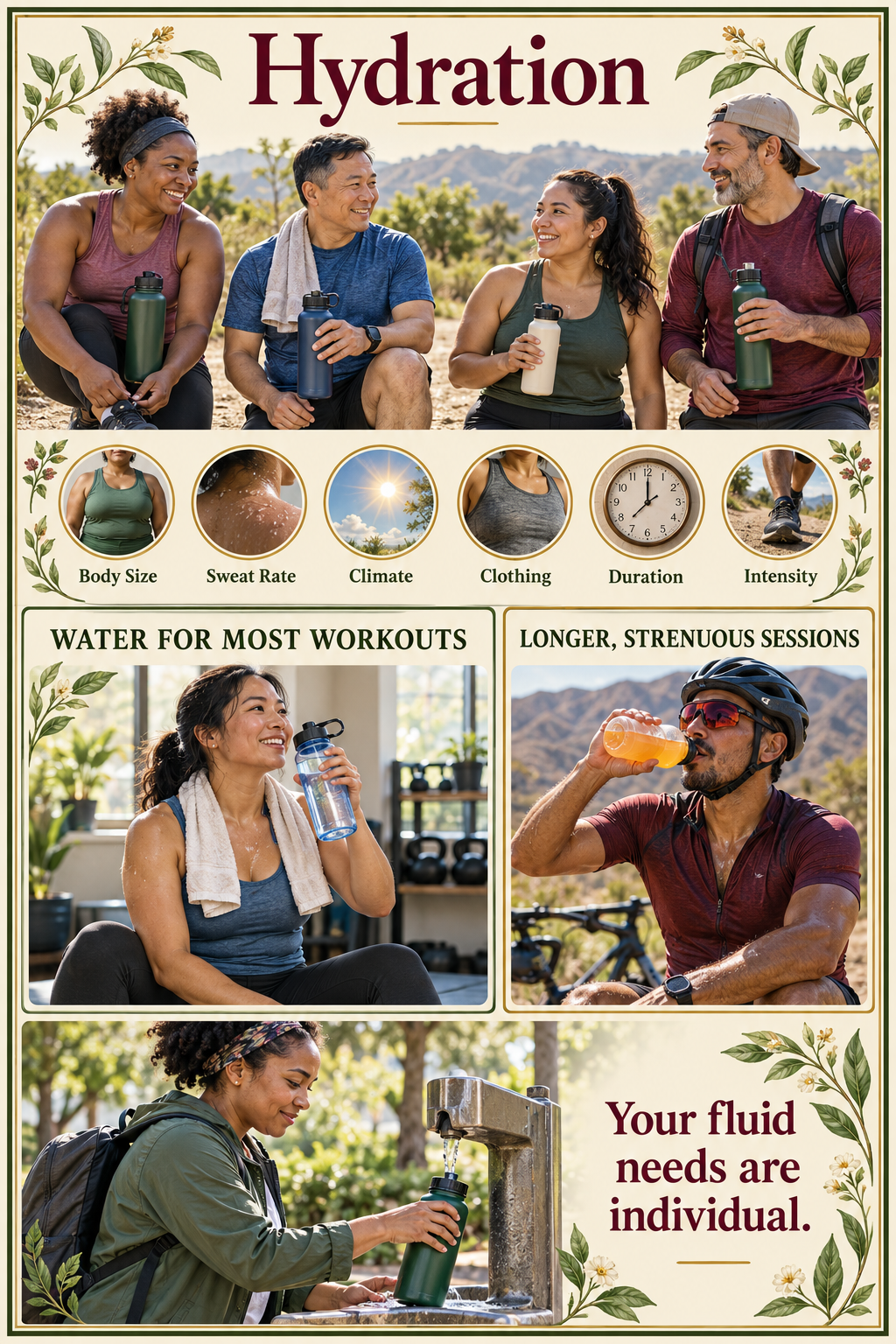
Water is an essential part of workout preparation because the body loses fluid through sweat and breathing, and those losses increase with heat, humidity, and exercise intensity. Starting a session already dehydrated can make exercise feel more difficult and can interfere with your ability to regulate body temperature. Drinking fluids regularly with meals and throughout the day is a simple way to establish good hydration habits before you reach the gym.
There is no single amount of water that fits every person or every workout. Fluid needs depend on body size, sweat rate, climate, clothing, exercise duration, and other individual factors. Drinking some water in the hours before training and keeping water accessible during exercise is a useful starting point, while people who sweat heavily or exercise for long periods may need a more individualized plan. For most shorter, moderate workouts, water is generally sufficient; sports drinks may be helpful in certain longer, strenuous sessions when carbohydrate and electrolyte replacement become more important.
Avoid treating hydration as a contest in which more is always better. Drinking excessive amounts of fluid can also be dangerous, particularly during long endurance events, so it is sensible to drink according to your needs and avoid forcing large volumes of water beyond your body's requirements.
After Your Workout: Recover With a Balanced Meal
Once your workout is finished, your body begins the process of recovery and adaptation. Your muscles need amino acids to support repair and remodeling, while carbohydrate helps replenish glycogen used during exercise. A post-workout meal that combines protein and carbohydrates can address both priorities while also supplying fluids, vitamins, minerals, and other nutrients that support general health.
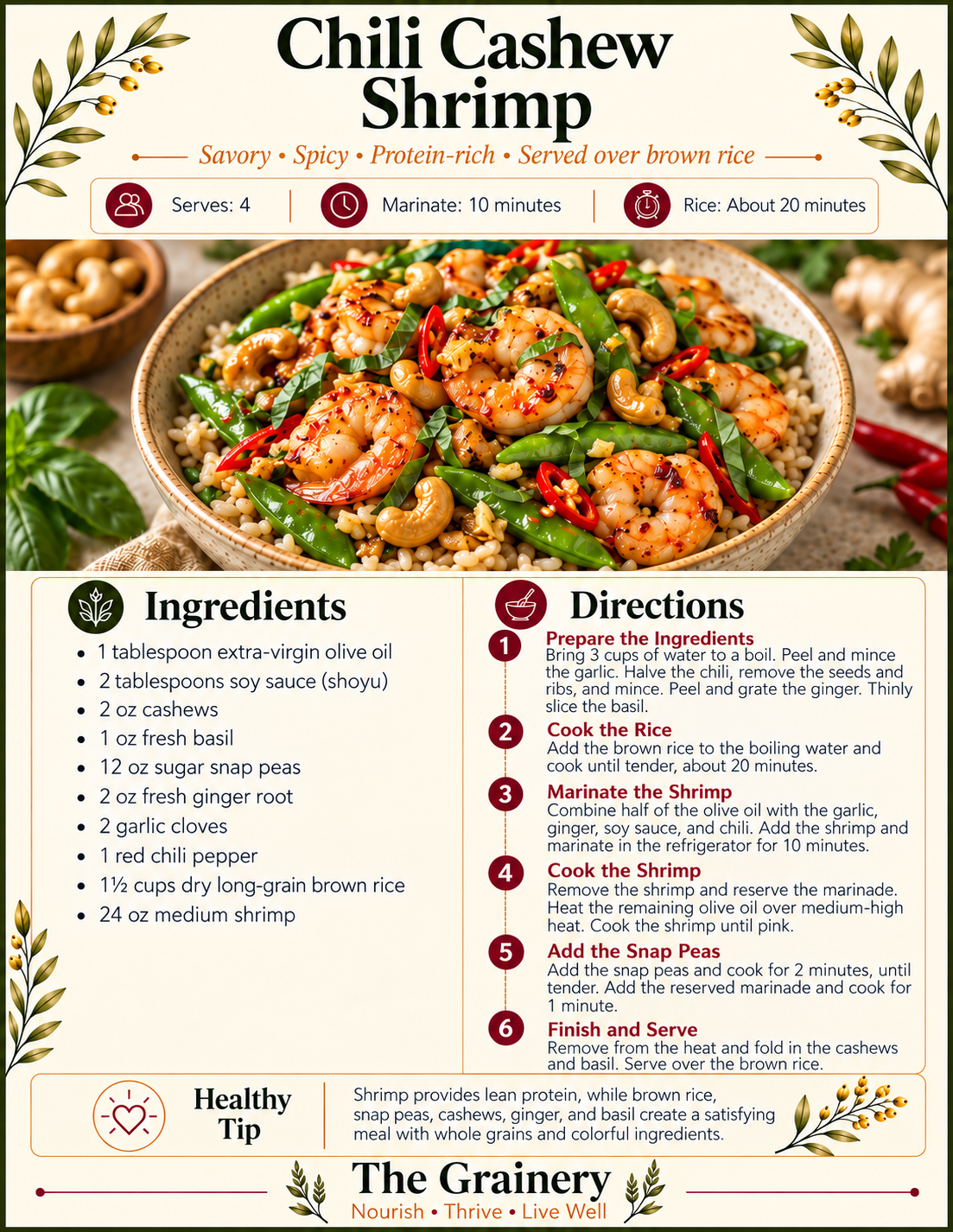
A practical example is a bowl containing chicken, brown rice, and vegetables. The chicken supplies protein, the rice provides carbohydrate, and the vegetables add fiber and micronutrients. For a plant-based option, lentils, tofu, or beans can contribute protein alongside rice, quinoa, potatoes, or whole-grain pasta. Greek yogurt with fruit and oats can work well when you need something quick, while eggs with whole-grain toast and fruit can provide a satisfying breakfast after a morning training session.
The best timing for a post-workout meal depends on your schedule and what you ate before exercising. If you trained after several hours without food, eating a balanced meal or snack relatively soon afterward is a practical choice. If you ate a substantial meal before training and will eat again shortly after finishing, there is generally less reason to rush toward a shake the moment you put down your weights. Muscle recovery continues well beyond the first hour after exercise, and adequate daily energy and protein intake are central to making progress over time.
For many active adults, sports nutrition guidance supports consuming protein in regular servings throughout the day rather than concentrating nearly all of it at dinner. A commonly used guideline is approximately 0.3 grams of high-quality protein per kilogram of body weight in the early recovery period, followed by additional protein-containing meals or snacks at regular intervals. Individual needs can vary according to body size, age, training volume, goals, and total food intake, so this figure is a useful reference rather than a rigid rule.
Carbohydrates Are Part of Recovery, Too
People who focus on building muscle or changing their body composition sometimes become so concerned about protein that they overlook carbohydrates. However, carbohydrates are an important fuel source for demanding exercise, and replacing glycogen becomes more important when workouts are long, intense, or scheduled close together. Rice, oats, potatoes, fruit, beans, and whole grains can all contribute carbohydrates as part of a nutritious recovery meal.
The urgency of carbohydrate replacement depends on your training schedule. Someone who completes a moderate workout and has a full day to recover may be able to meet their needs through ordinary meals. Someone completing prolonged endurance exercise or training again within a few hours may benefit from a more deliberate carbohydrate-replacement strategy. This is one reason sports nutrition plans should reflect the individual rather than following a single rule for every workout.
Recovery also involves more than food. Sleep, rest days, total energy intake, stress management, and a training program that allows appropriate adaptation all influence how you feel and perform. A perfectly timed meal cannot compensate for consistently inadequate sleep or training that exceeds your ability to recover.
Do You Need Pre-Workout or Recovery Supplements?

The supplement industry offers many products marketed for energy, endurance, muscle growth, and recovery, but more products do not necessarily mean better results. The foundation remains a balanced diet, adequate fluids, appropriate training, and sufficient rest. Protein powder may help someone who struggles to meet protein needs through food, while selected sports products may be convenient during prolonged exercise. However, supplements vary in their evidence, ingredients, quality, and suitability for different people.
Caffeine can improve certain aspects of exercise performance for some adults, but it is not necessary for an effective workout and may cause anxiety, digestive upset, a racing heartbeat, or disrupted sleep. People who are sensitive to stimulants, take medications, are pregnant, or have relevant medical concerns should seek individualized guidance before using stimulant-containing products. Supplements can also interact with medications or contain ingredients that are unsuitable for some users, making careful label review and professional advice important.
Be cautious with products that promise dramatic muscle growth, effortless fat loss, or guaranteed recovery. If you are considering supplements, choose products carefully, look for credible quality testing where appropriate, and discuss potential risks with a qualified healthcare professional when you have medical conditions or take medication. Supplements should complement sound nutrition rather than replace it.
Make Your Nutrition Routine Simple and Sustainable
The most effective pre- and post-workout routine is one that you can repeat consistently. Start by noticing how you feel during training, how hungry you are afterward, and whether your meals leave you energized or uncomfortable. Keep a few convenient options available, such as bananas, oatmeal, yogurt, eggs, cooked rice, frozen vegetables, beans, and ready-to-eat protein sources, so busy days do not automatically become days without a plan.
A simple strategy is to eat a balanced meal a few hours before exercise when your schedule allows, choose a small snack when training begins soon, drink fluids regularly, and eat a protein- and carbohydrate-containing meal after training. Adjust the portions to match your activity level, appetite, and goals, and remember that a longer or more intense workout generally requires a different fueling approach than a short, easy session At the Grainery, we believe wellness is built through everyday choices rather than quick fixes. You do not need a perfect meal plan to get started, and you do not need to buy every product marketed to active people. You need nourishing foods, a routine that fits your life, and the patience to practice habits that support your health over time.
The bottom line is simple: fuel before exercise to support the work ahead, nourish yourself afterward to support recovery, and build the rest of your day around balanced meals, hydration, and adequate rest. When these habits work together, they can help you train more consistently and make your fitness routine a sustainable part of a healthy lifestyle.
This article is for general educational purposes and is not individualized medical or nutrition advice. People with medical conditions, special dietary needs, or complex training demands may benefit from working with a registered dietitian or qualified healthcare professional.

Sources and Further Reading
Thomas, D. T., Erdman, K. A., & Burke, L. M. (2016). “Position of the Academy of Nutrition and Dietetics, Dietitians of Canada, and the American College of Sports Medicine: Nutrition and Athletic Performance.” Journal of the Academy of Nutrition and Dietetics, 116(3), 501–528.
https://pubmed.ncbi.nlm.nih.gov/26891166/National Institutes of Health, Office of Dietary Supplements. “Dietary Supplements for Exercise and Athletic Performance: Health Professional Fact Sheet.”
https://ods.od.nih.gov/factsheets/exerciseandathleticperformance-healthprofessional/MedlinePlus, U.S. National Library of Medicine. “Nutrition and Athletic Performance.”
https://medlineplus.gov/ency/article/002458.htmAmerican College of Sports Medicine. “ACSM Position Stands.” This resource provides access to official position stands, including publications on nutrition and exercise-related guidance.
https://acsm.org/education-resources/pronouncements-scientific-communications/position-stands/Academy of Nutrition and Dietetics, Dietitians of Canada, and American College of Sports Medicine. “Nutrition and Athletic Performance.” Journal of the Academy of Nutrition and Dietetics (2016).
https://www.sciencedirect.com/science/article/pii/S221226721501802XJoint position statement: American Dietetic Association, Dietitians of Canada, and American College of Sports Medicine. “Nutrition and Athletic Performance.” Medicine & Science in Sports & Exercise (2009).
https://pubmed.ncbi.nlm.nih.gov/19225360/
