

Omega-3, Omega-6 and Saturated Fat: Understanding the Fats Your Body Needs
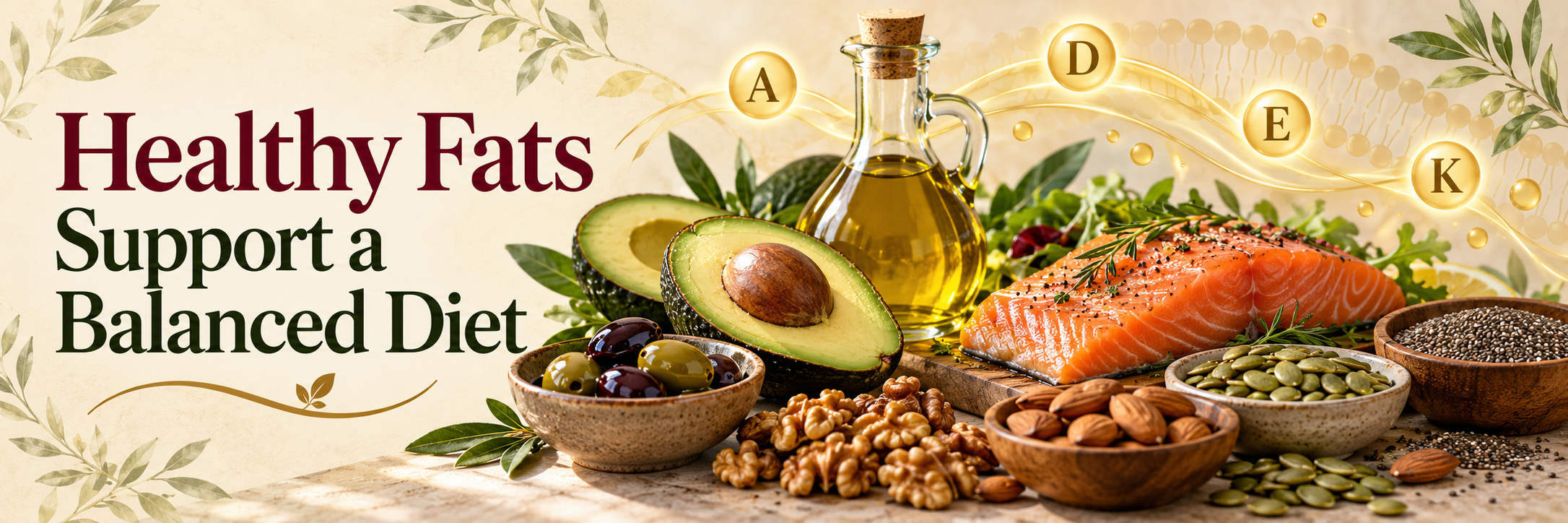
For many years, dietary fat has been one of the most misunderstood parts of nutrition. Some people have been taught to avoid fat whenever possible, while others have embraced high-fat eating patterns without paying much attention to the kinds of fats they consume. The truth is that fat plays several essential roles in the body, and understanding the differences between omega-3, omega-6 and saturated fat can help us make more informed decisions about what we eat every day.
Dietary fat provides energy, helps the body absorb vitamins A, D, E and K, supports cell membranes, and supplies essential fatty acids that the body cannot manufacture on its own. Fat also contributes to the flavor and satisfaction of meals, which can make healthy eating more enjoyable and sustainable. Rather than trying to eliminate fat, a better approach is to understand which foods provide beneficial fats and how those foods fit into an overall balanced eating pattern.
At Healthy Habits, we believe that nutrition education should help people feel confident about their food choices instead of leaving them confused by conflicting headlines. Omega-3, omega-6 and saturated fats are useful examples because they are often discussed together, even though they have different characteristics and roles in the body.
Understanding the Difference Between Dietary Fats
Dietary fats are commonly classified as saturated or unsaturated. Unsaturated fats include monounsaturated fats and polyunsaturated fats, which are found in foods such as olive oil, nuts, seeds and fish. Omega-3 and omega-6 fatty acids are both types of polyunsaturated fat, and each contributes to normal body function.
The distinction matters because not all fats affect blood cholesterol and cardiovascular health in the same way. The American Heart Association recommends choosing unsaturated fats in place of saturated fats as part of a heart-healthy dietary pattern. This approach focuses on improving the overall quality of the foods we eat rather than simply reducing total fat intake.
It is also important to remember that a single food does not determine whether an entire diet is healthy. Olive oil, salmon, walnuts, butter and cheese can all contain fat, but their fatty acid profiles differ considerably. The goal is to make the foods rich in unsaturated fats regular parts of our eating pattern while keeping saturated fat within recommended limits.
Omega-3 Fatty Acids and Why They Matter
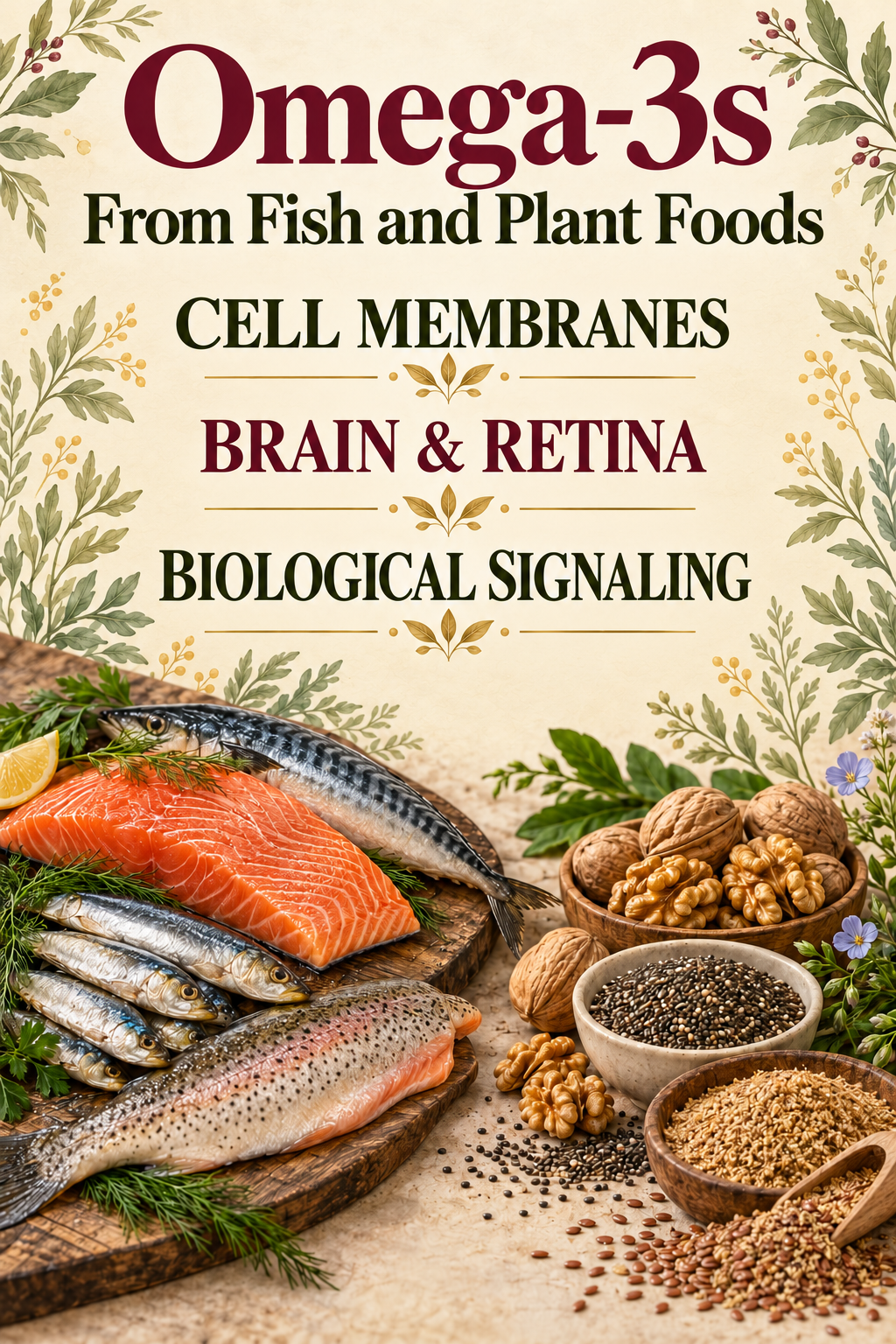
Omega-3 fatty acids are essential fats that support normal cell function throughout the body. Three omega-3s receive particular attention in nutrition research: alpha-linolenic acid, commonly called ALA; eicosapentaenoic acid, known as EPA; and docosahexaenoic acid, known as DHA.
ALA is found primarily in plant foods such as flaxseeds, chia seeds, walnuts and certain vegetable oils. EPA and DHA are found in fatty fish and other seafood, and they are also available in some algae-based products. The body can convert some ALA into EPA and DHA, but this conversion is limited, so eating sources of EPA and DHA can be a practical way to obtain these particular fatty acids.
Omega-3s are important components of cell membranes, and DHA is especially abundant in the brain and retina. These fats also participate in biological signaling processes that help regulate several functions throughout the body. Research has examined omega-3s in relation to cardiovascular health, triglyceride levels, brain function and other health outcomes, although the strength of evidence differs by outcome and by whether the omega-3s come from food or supplements.
Fatty fish such as salmon, sardines, trout, herring and mackerel are particularly useful sources of EPA and DHA. Including fish regularly can provide omega-3s along with high-quality protein and other nutrients. Plant sources such as walnuts, chia seeds and ground flaxseeds are valuable additions as well, especially for people who eat little or no fish.
It is worth remembering that more is not always better. Eating foods that naturally contain omega-3s is different from taking high-dose fish oil supplements. Supplements may be appropriate for certain people, including those advised by a healthcare professional to address elevated triglycerides, but high doses can have risks and may interact with medications. For most people, building a balanced diet around a variety of nutrient-rich foods is a sensible starting point.
Omega-6 Fatty Acids Are Essential, Too
Omega-6 fatty acids sometimes receive negative attention in popular nutrition discussions, particularly when people hear claims that these fats automatically promote inflammation. The scientific picture is more nuanced, and omega-6 fats are an essential part of human nutrition.
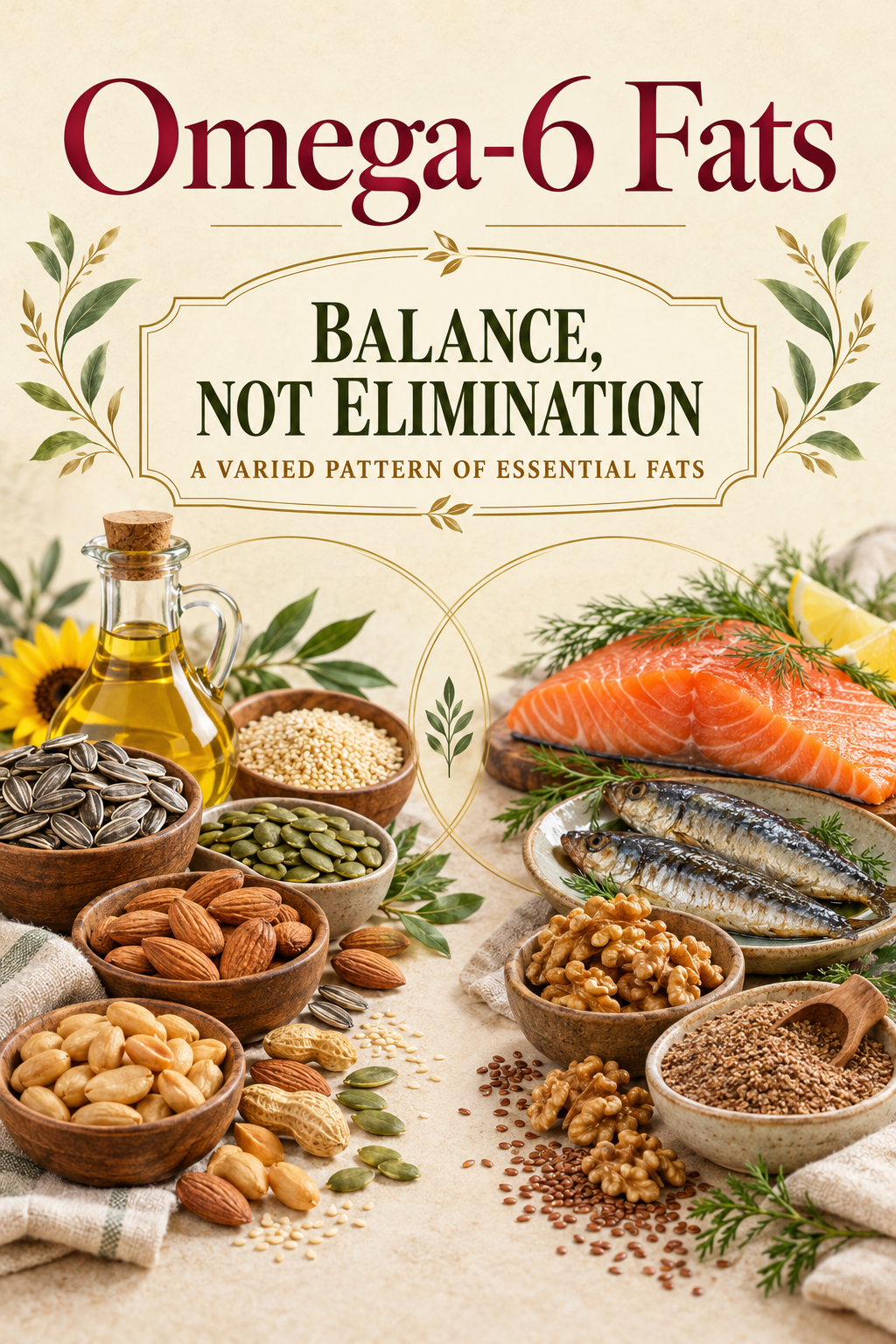
Linoleic acid is the primary essential omega-6 fatty acid in the diet. The body cannot make it, so it must come from food. Sources include sunflower seeds, walnuts, soybeans, sesame seeds and oils such as soybean, sunflower and corn oil. Other omega-6 fatty acids are found in various foods and are involved in normal cell function and biological signaling.
Omega-6 fatty acids contribute to cell membranes and help the body perform functions that are necessary for normal health. Although certain compounds derived from omega-6 fats participate in inflammatory processes, this does not mean that eating foods containing omega-6 automatically causes chronic inflammation. Inflammation is a complex biological response, and the effects of diet depend on the overall dietary pattern, the foods being consumed and the individual's circumstances.
For most people, the practical goal should not be to eliminate omega-6 fats or avoid all foods containing them. Instead, it makes sense to eat a varied diet that includes essential fats from nuts, seeds and appropriate plant oils while also incorporating omega-3 sources such as salmon, sardines, walnuts and flaxseeds.
You may have heard that everyone should maintain a specific omega-6-to-omega-3 ratio. Although researchers have studied this idea, there is no universally established optimal ratio for everyone. Looking at the actual foods in your diet and including reliable sources of omega-3s is generally more useful than trying to calculate a precise ratio for every meal.
Saturated Fat and Heart Health
Saturated fat is found in foods such as butter, fatty cuts of meat, bacon, sausages, cheese, cream, coconut oil and palm oil. Some of these foods can provide protein and other nutrients, but a diet consistently high in saturated fat can raise LDL cholesterol, often referred to as the “bad” cholesterol. Elevated LDL cholesterol is an established risk factor for cardiovascular disease.
The important question is what happens when we replace saturated fat with something else. Replacing some saturated fat with unsaturated fat from foods such as olive oil, nuts, seeds and fatty fish can improve blood lipid profiles and help reduce cardiovascular risk. Replacing saturated fat with refined carbohydrates, such as sugary foods and highly refined grains, does not offer the same demonstrated benefit.

For example, someone who regularly cooks vegetables in butter might choose olive or canola oil more often. Someone who frequently eats fatty processed meats might substitute salmon, beans, lentils or skinless poultry for some of those meals. A person who enjoys cheese does not necessarily need to eliminate it, but can pay attention to portion sizes and make sure the rest of the diet includes plenty of vegetables, whole grains, legumes and unsaturated fats.
The American Heart Association recommends limiting saturated fat to less than six percent of total daily calories for people who need to lower LDL cholesterol under its guidance. Broader U.S. dietary guidance has generally recommended keeping saturated fat below ten percent of daily calories. Individual needs can differ, so people with elevated cholesterol or cardiovascular conditions should discuss their specific targets with a qualified healthcare professional.
The bigger lesson is that healthy eating is about substitution rather than simply subtraction. Removing butter from a meal does not automatically make the meal healthier if it is replaced with a large serving of refined starch or added sugar. Replacing saturated fat with nutrient-rich foods containing unsaturated fats is a more meaningful step.
Finding the Right Balance in Everyday Meals

Putting this information into practice does not require a complicated diet or expensive supplements. It begins with a few manageable changes that can be repeated over time.
Consider using olive or canola oil more often instead of butter or other solid fats when cooking. Add walnuts to oatmeal, sprinkle ground flaxseed into yogurt, or include chia seeds in overnight oats. Keep canned sardines or salmon available for quick meals, and plan to serve fatty fish when it fits your budget and preferences. Choose a variety of protein sources, including beans, lentils, fish, nuts, seeds and lean poultry.
It is also useful to pay attention to how foods are prepared. Deep-fried foods, highly processed snacks and many packaged baked goods can contribute substantial calories, sodium, saturated fat or other ingredients that are easy to overconsume. Choosing more minimally processed foods does not mean every meal must be made from scratch, but it can make it easier to build a balanced eating pattern.
For people who do not eat fish, plant sources of ALA can still contribute valuable omega-3s. Algae-derived EPA and DHA products may also be an option for some people, including those following vegetarian or vegan diets. Anyone considering supplements should review the product and dosage with a healthcare professional, especially if they take medication or have an existing medical condition.
Finally, remember that dietary fats are only one part of health. Regular physical activity, adequate sleep, not smoking, stress management and a varied diet all contribute to long-term well-being. No single oil, fish serving or supplement can make up for every other part of a healthy lifestyle.
Making Healthy Fats Part of Your Routine
Understanding omega-3, omega-6 and saturated fat can help take some of the mystery out of the grocery store. Omega-3 and omega-6 fatty acids are both essential, and each has a role in normal body function. Saturated fat is not something that needs to cause fear, but consuming too much can raise LDL cholesterol, so replacing some of it with unsaturated fats is a well-supported strategy for improving heart health.
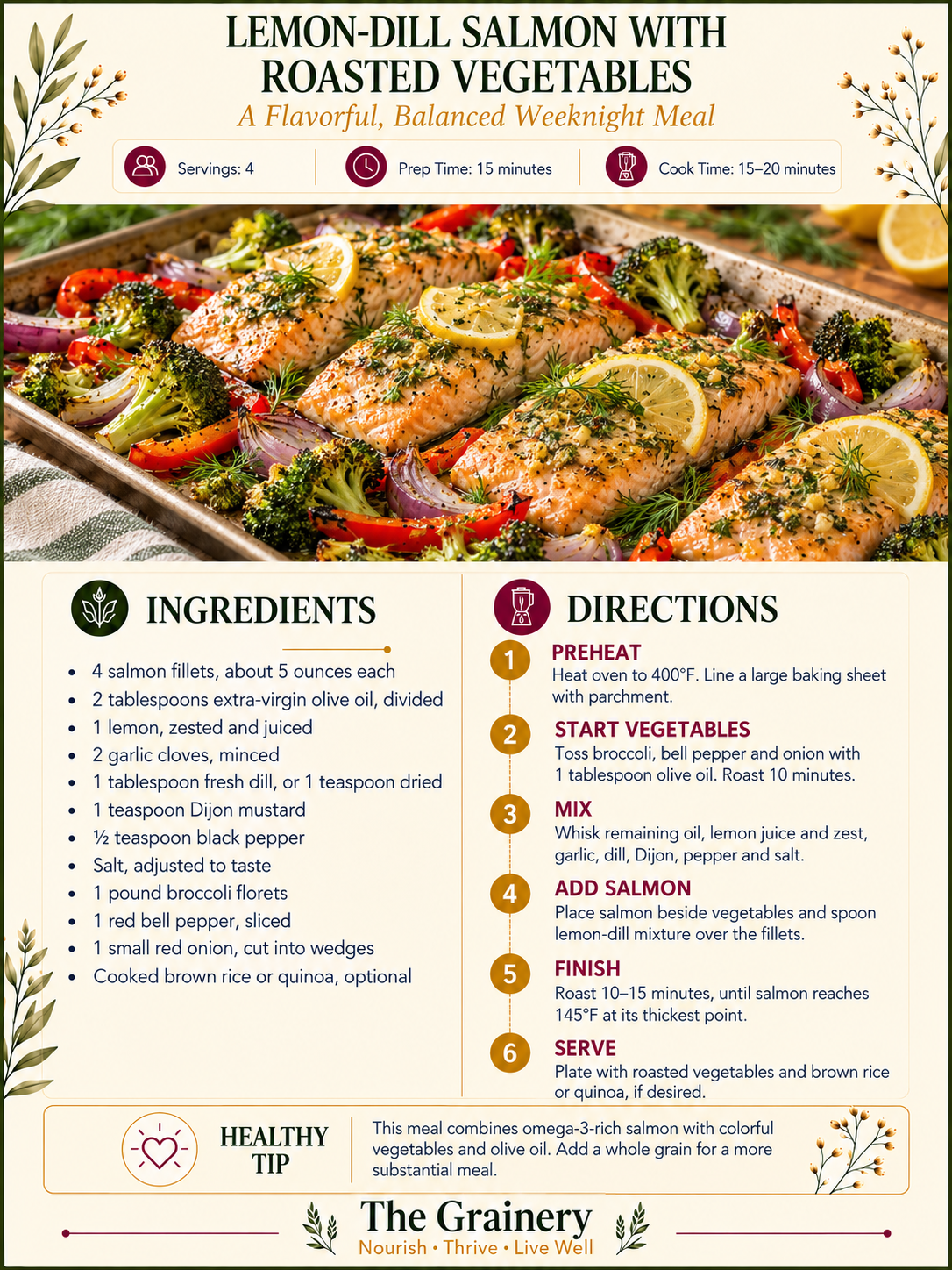
A practical place to start is to choose a meal this week that includes salmon, use olive oil for cooking, or add a small handful of walnuts or seeds to breakfast. Small changes that fit comfortably into your routine are often easier to maintain than strict rules that make eating feel overwhelming.
At Healthy Habits, we encourage you to think of food as an opportunity to nourish your body, explore new ingredients and build habits that support your long-term health. The goal is not to eat perfectly at every meal. The goal is to make informed choices consistently and enjoy the process of creating a healthier way of eating.
Resources
National Institutes of Health, Office of Dietary Supplements — Omega-3 Fatty Acids: Fact Sheet for Health Professionals. An evidence-based overview of ALA, EPA and DHA, their roles in the body, food sources, research findings and considerations for supplementation.
https://ods.od.nih.gov/factsheets/Omega3FattyAcids-HealthProfessional/
National Institutes of Health, Office of Dietary Supplements — Omega-3 Fatty Acids: Fact Sheet for Consumers. A consumer-friendly resource explaining omega-3 food sources, supplements, potential benefits and safety considerations.
https://ods.od.nih.gov/factsheets/Omega3FattyAcids-Consumer/
American Heart Association — The Facts on Fats. An accessible explanation of unsaturated, saturated and trans fats, including the importance of replacing saturated fats with unsaturated alternatives.
https://www.heart.org/en/healthy-living/healthy-eating/eat-smart/fats/the-facts-on-fats
American Heart Association — Dietary Fats and Cardiovascular Disease. A scientific advisory discussing evidence on saturated fat, unsaturated fat and cardiovascular risk.
https://professional.heart.org/en/science-news/dietary-fats-and-cardiovascular-disease
American Heart Association — Saturated Fats. Practical guidance on identifying common sources of saturated fat and choosing alternatives that support healthier cholesterol levels.
https://www.heart.org/en/healthy-living/healthy-eating/eat-smart/fats/saturated-fats
American Heart Association — Healthy Cooking Oils. Guidance on choosing cooking oils that contain more unsaturated fat and less saturated fat.
https://www.heart.org/en/healthy-living/healthy-eating/eat-smart/fats/healthy-cooking-oils
