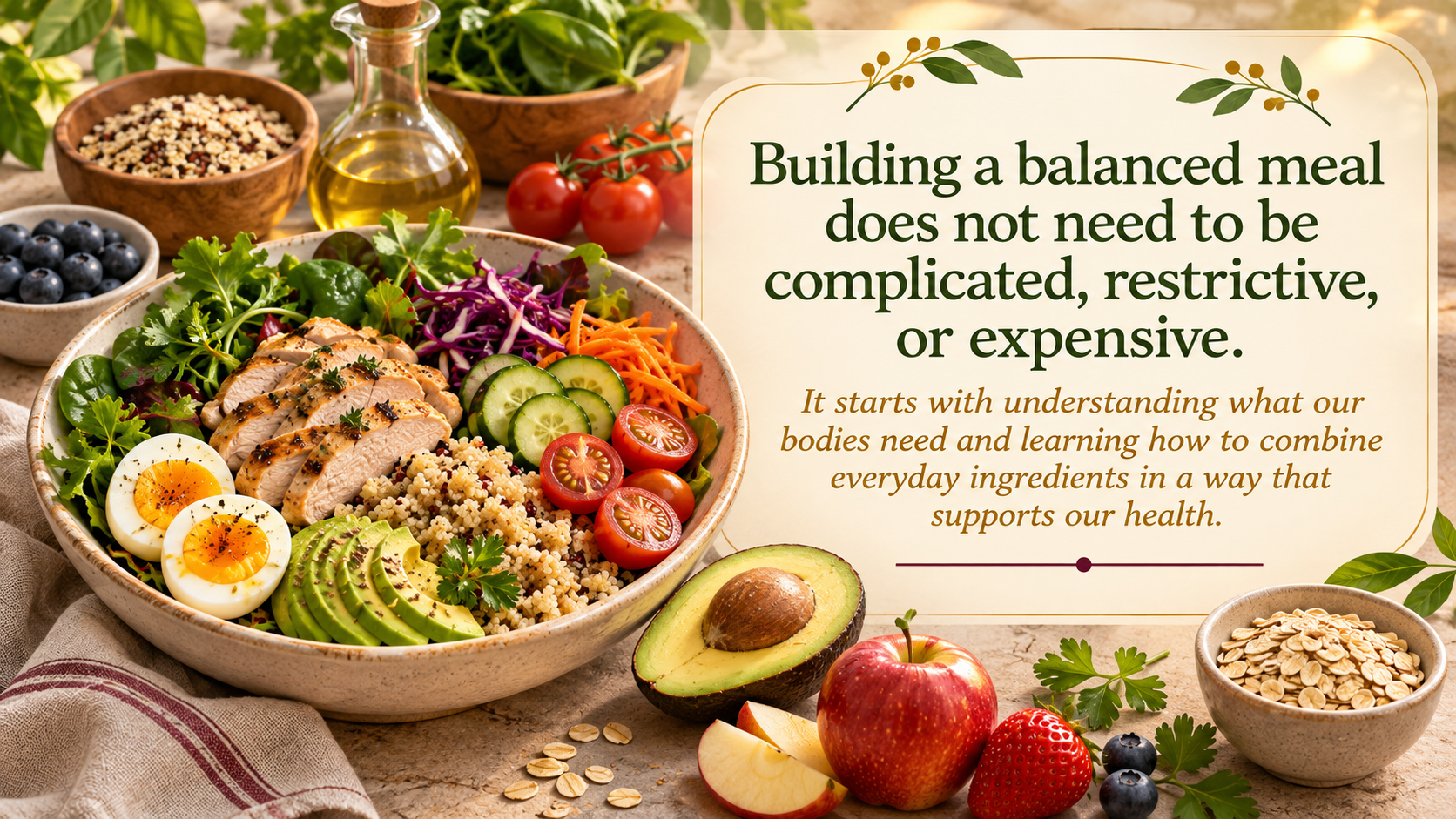
When it comes to healthy eating, one of the most common questions I hear is, "What should I actually be eating?" With so many diets, nutrition trends, and conflicting opinions circulating online, it is easy to understand why people feel overwhelmed. One week, carbohydrates are being portrayed as the enemy, and the next, everyone is talking about increasing protein or eliminating certain foods. The truth is that building a balanced meal does not need to be complicated, restrictive, or expensive. It starts with understanding what our bodies need and learning how to combine everyday ingredients in a way that supports our health.
Throughout my years working in kitchens and the fitness industry, I have come to appreciate that good nutrition is about much more than counting calories or following the latest diet. Food plays a role in our energy, recovery, digestion, and overall well-being, but it also brings people together and creates experiences that we remember. Some of the most satisfying meals are not the ones with the most elaborate ingredients or complicated preparation methods. They are the meals that provide nourishment, taste wonderful, and leave us feeling satisfied.
One lesson that has stayed with me is that healthy eating becomes much easier when we stop thinking about individual foods as simply good or bad. Instead, we can begin looking at the overall composition of our meals and how different foods work together. A balanced meal is not about perfection on every plate. It is about developing a consistent pattern of eating that provides the nutrients our bodies need while still allowing us to enjoy the foods we love.
Understanding What Makes a Meal Balanced
A balanced meal generally includes a combination of protein, carbohydrates, healthy fats, and fruits or vegetables. Each component contributes something different, and together they create a meal that can support energy, fullness, and nutritional variety.
Protein is essential for maintaining and repairing body tissues, including muscle. Whether someone is lifting weights, enjoying daily walks, gardening, or simply trying to stay active as they age, consuming adequate protein is an important part of overall nutrition. Foods such as chicken, fish, eggs, Greek yogurt, tofu, beans, and lentils can all contribute protein to a balanced eating pattern.
Carbohydrates provide energy that our bodies use throughout the day, especially during physical activity. Whole grains, potatoes, fruit, beans, and other carbohydrate-containing foods also provide valuable nutrients, including fiber, vitamins, and minerals. Over the years, I have seen many people become hesitant to eat carbohydrates because they associate them with weight gain. However, carbohydrates themselves are not inherently unhealthy, and eliminating them is not necessary for most people to achieve their wellness goals.
Healthy fats are another important part of the equation. Foods such as avocados, olive oil, nuts, seeds, and fatty fish provide essential fatty acids and help the body absorb fat-soluble vitamins. Fat also contributes flavor and satisfaction to meals, which can make nutritious eating more enjoyable and sustainable.
Finally, vegetables and fruits bring color, texture, fiber, and a wide variety of micronutrients to our plates. Eating a range of produce is one of the simplest ways to improve the nutritional diversity of our diets. A colorful meal is not automatically a balanced one, but including different fruits and vegetables can help us consume a broader variety of beneficial nutrients.
The Simple Plate Method
One of my favorite ways to explain balanced eating is through the plate method because it removes much of the guesswork. Instead of requiring everyone to weigh every ingredient or calculate exact percentages, this approach offers a visual guide that can be adapted to different meals and preferences.
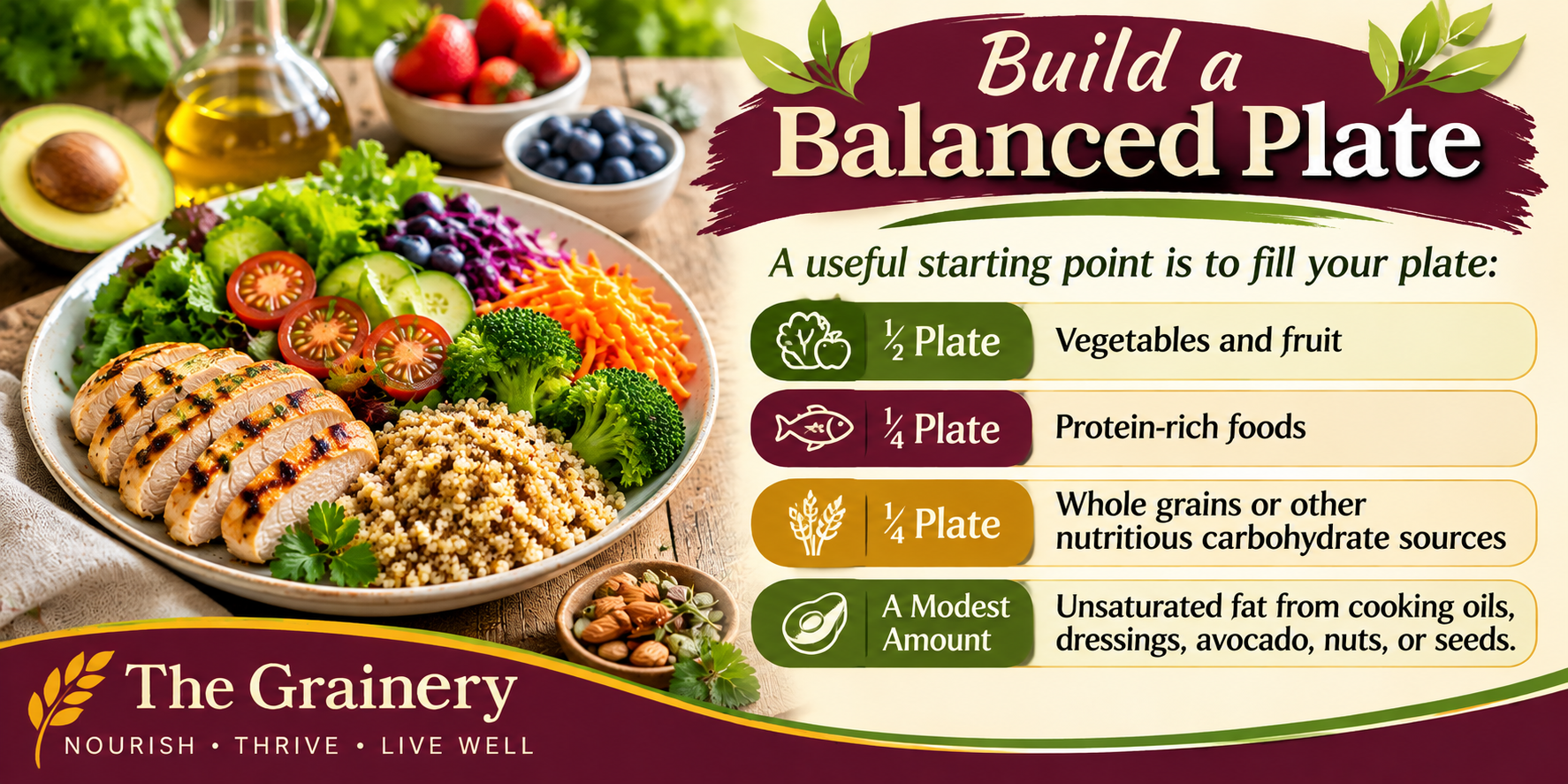
A useful starting point is to fill approximately half your plate with vegetables and fruit, one-quarter with protein-rich foods, and one-quarter with whole grains or other nutritious carbohydrate sources. A modest amount of unsaturated fat can be included through cooking oils, dressings, avocado, nuts, or seeds.
This approach is flexible rather than rigid. Someone who trains intensely may need larger portions of carbohydrate-rich foods to support exercise, while another person may need different portions based on appetite, health conditions, or activity level. The plate method provides a framework for making decisions without turning every meal into a mathematical exercise.
As a chef, I appreciate how easily this method translates into actual cooking. A piece of grilled salmon, roasted sweet potatoes, and a generous serving of asparagus can create a satisfying dinner with very little complication. A bowl of brown rice, black beans, sautéed peppers, and avocado can offer a plant-forward alternative. Even a simple sandwich can become more balanced when paired with fresh vegetables, fruit, and a suitable source of protein.
The beauty of this method is that it works with familiar ingredients and can be adapted to the foods already available in your kitchen.
Why Balance Matters More Than Perfection
In the fitness world, it is easy to become focused on numbers. Calories, protein grams, carbohydrate percentages, and meal timing can all be useful tools, particularly when someone has specific performance or body-composition goals. However, I have also learned that numbers alone do not tell the entire story.
A person can follow a carefully calculated meal plan and still struggle with consistency if the food is inconvenient, expensive, or simply not enjoyable. On the other hand, someone who develops a practical routine built around nutritious foods may find it easier to maintain healthy habits over time.
I often think about how differently people approach food depending on their schedules. A parent preparing dinner after a long workday has different needs from an athlete planning meals around training sessions. Someone who works long shifts may need portable options, while a retired adult may have more time to prepare meals but different nutritional priorities.
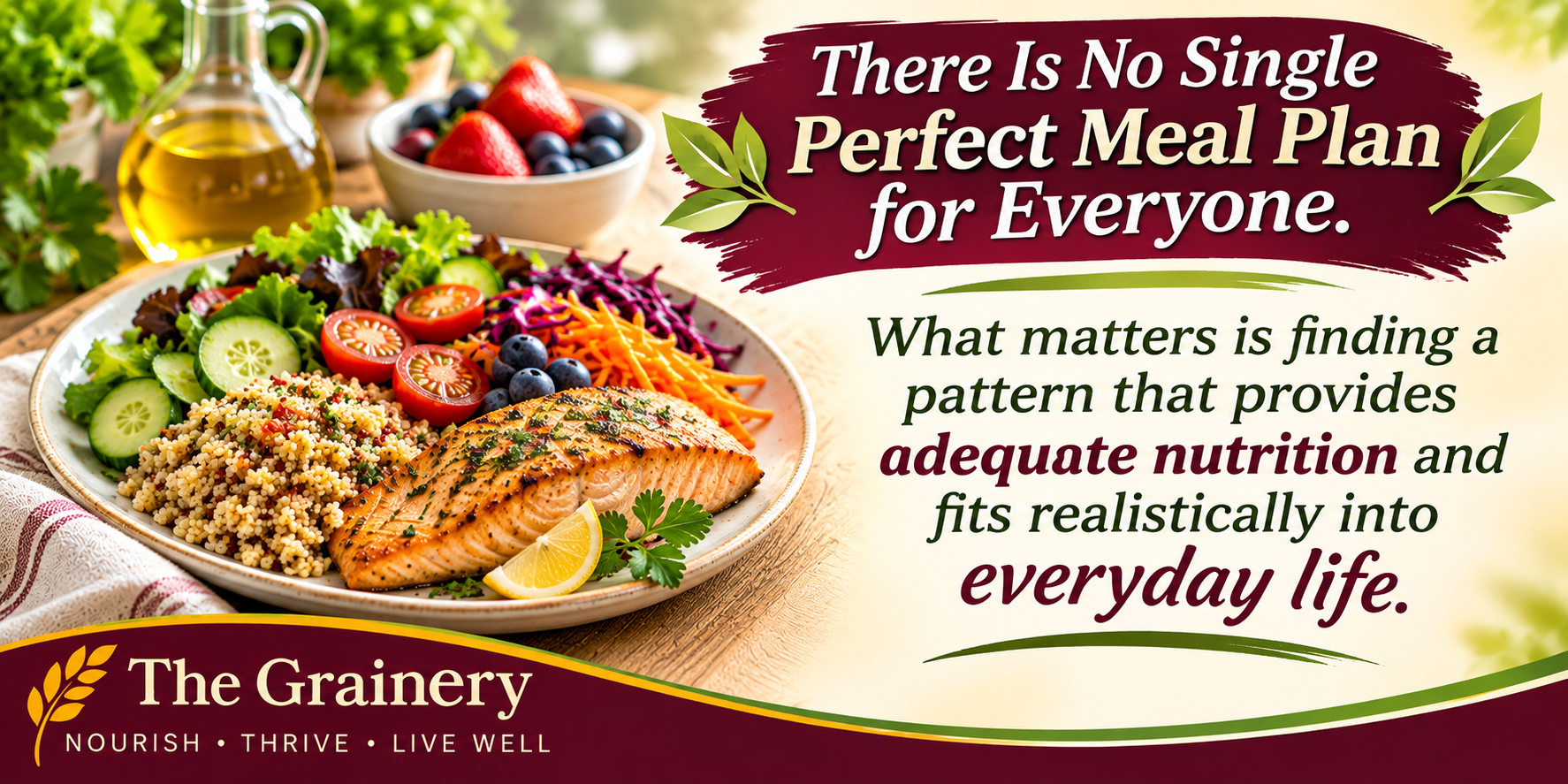
These differences remind me that there is no single perfect meal plan for everyone. What matters is finding a pattern that provides adequate nutrition and fits realistically into everyday life.
There is also room for enjoyment. A family pizza night, a birthday celebration, or a favorite dessert does not erase the value of the nutritious meals eaten throughout the week. A healthy relationship with food allows flexibility and recognizes that meals serve social and emotional purposes as well as nutritional ones.
Making Balanced Meals Practical on Busy Days
One of the biggest obstacles to healthy eating is not a lack of nutrition knowledge but a lack of time and preparation. When the day becomes busy, it is easy to choose whatever is most convenient, especially if there are no prepared ingredients available.
This is where a little planning can make an enormous difference. Preparing a few versatile ingredients at the beginning of the week can make it easier to assemble balanced meals without cooking everything from scratch each day.
For example, cooking a batch of brown rice or quinoa, roasting a tray of vegetables, washing salad greens, and preparing a protein source can provide the foundation for several meals. Those ingredients can become grain bowls, salads, wraps, or quick dinners depending on what sounds appealing.
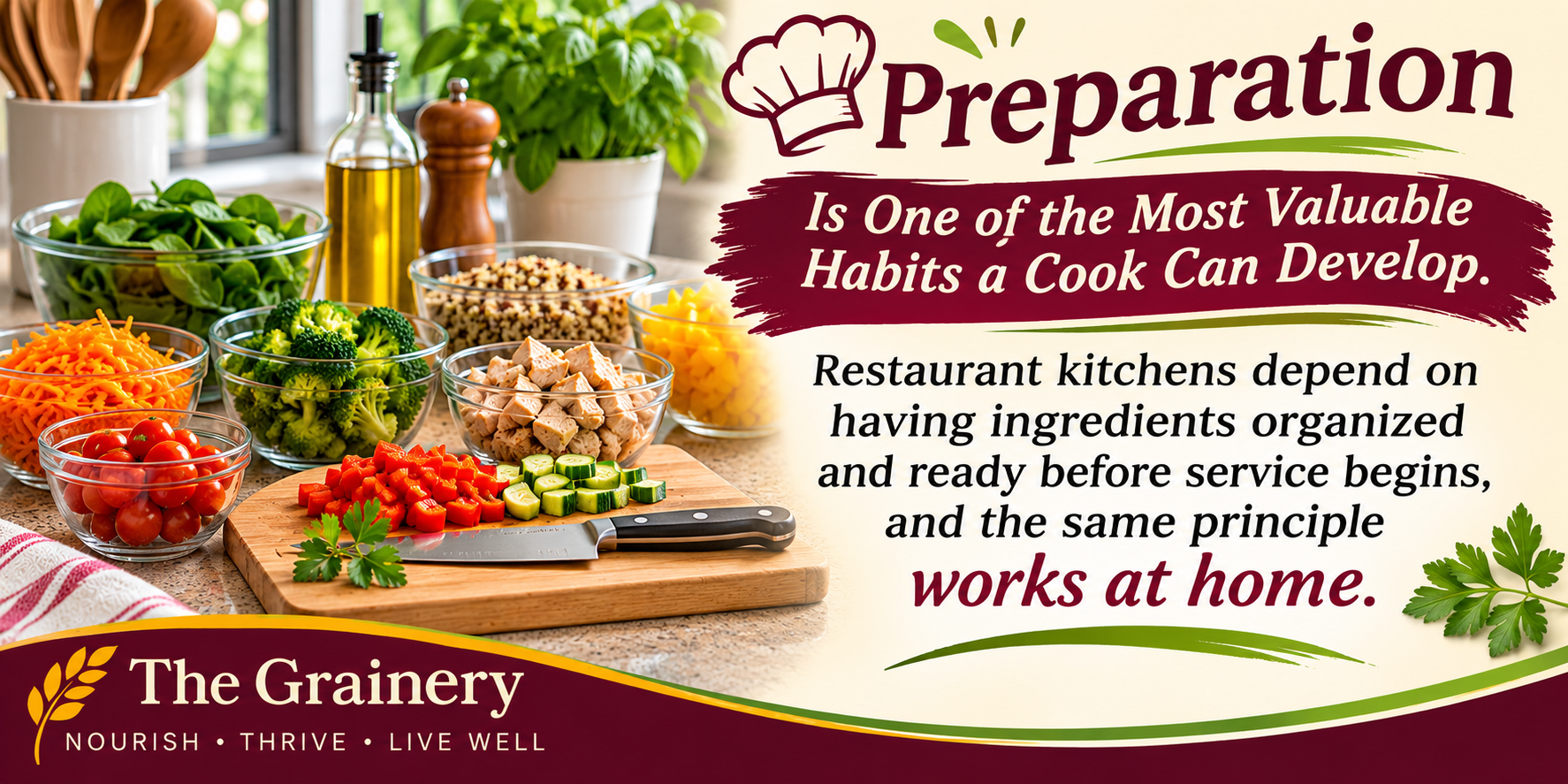
From my experience in professional kitchens, preparation is one of the most valuable habits a cook can develop. Restaurant kitchens depend on having ingredients organized and ready before service begins, and the same principle works at home. When healthy ingredients are already prepared, putting together a nourishing meal becomes much less intimidating.
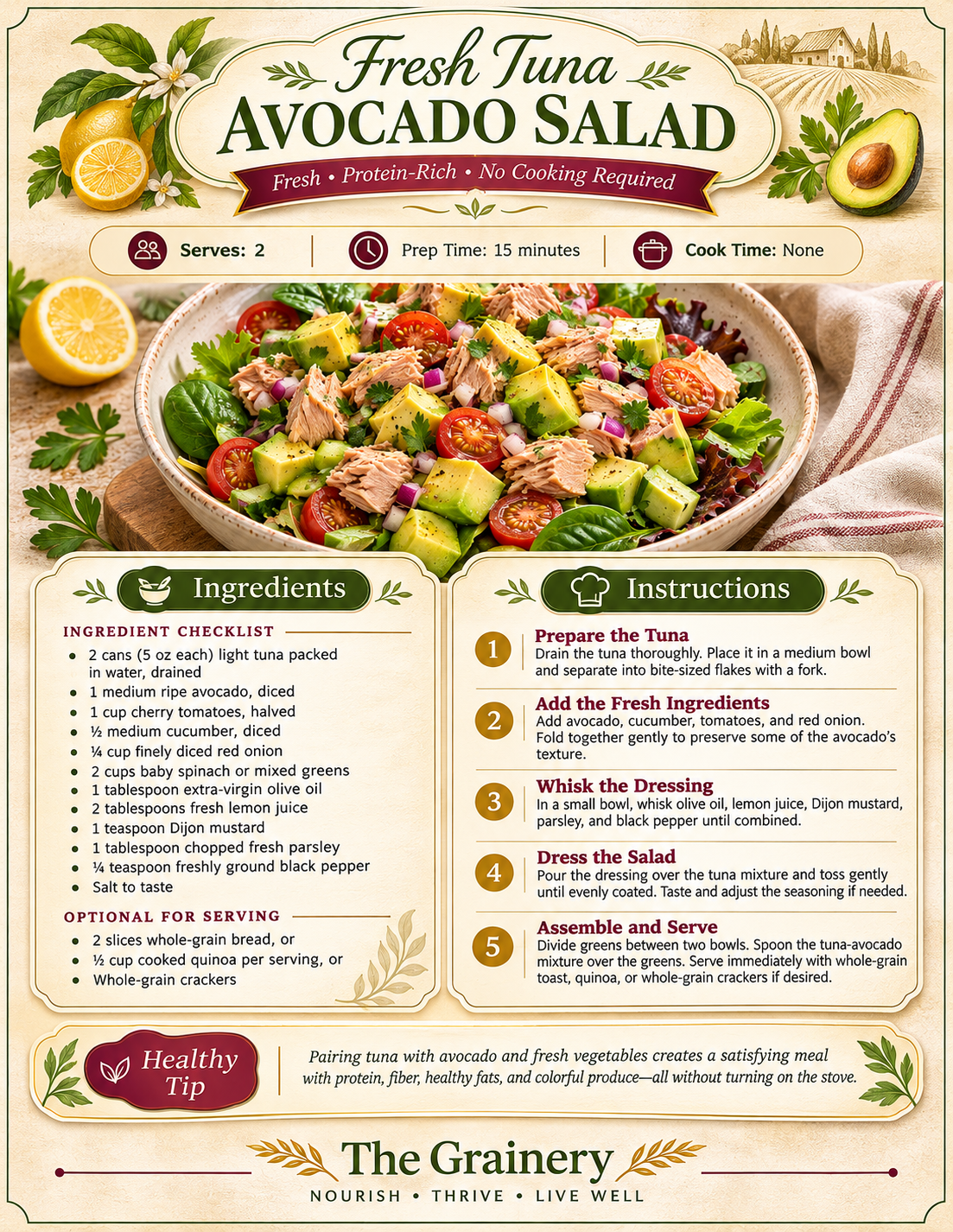
Keeping a well-stocked pantry can also help. Canned tuna, beans, lentils, whole grains, olive oil, nuts, and frozen vegetables are convenient ingredients that can be combined with fresh produce to create satisfying meals. Fresh food is wonderful, but frozen and canned options can be just as valuable when they make balanced eating more accessible.
Building Flavor Without Sacrificing Nutrition
Healthy meals should never feel like punishment. One of the greatest advantages of learning basic cooking techniques is discovering how much flavor can come from simple ingredients.
Fresh herbs, garlic, citrus, vinegar, spices, and aromatic vegetables can transform ordinary foods into something memorable. Roasting vegetables brings out their natural sweetness, while grilling adds depth to lean proteins. A squeeze of lemon or a spoonful of homemade dressing can brighten a dish without requiring an elaborate sauce.
I have always believed that people are more likely to continue eating nutritious meals when they genuinely enjoy them. Food that looks appealing, smells inviting, and tastes delicious is easier to incorporate into everyday routines.
This is especially important when introducing healthier choices to families. Rather than completely replacing familiar meals, consider making small adjustments. Add vegetables to a favorite pasta dish, use beans in a hearty soup, serve fruit alongside breakfast, or incorporate whole grains into a meal you already enjoy.
Over time, these changes can become natural parts of your routine rather than temporary efforts that feel difficult to maintain.
Listening to Your Body and Adjusting Your Needs
Although general nutrition guidelines provide a useful starting point, our bodies do not all require identical amounts of food. Age, activity level, health conditions, appetite, and personal goals can influence how much energy and which nutrients we need.
Someone who participates in strength training several days per week may benefit from paying closer attention to protein and total energy intake. A person preparing for a long hike may need additional carbohydrates and fluids, while someone managing a medical condition may require individualized dietary guidance.
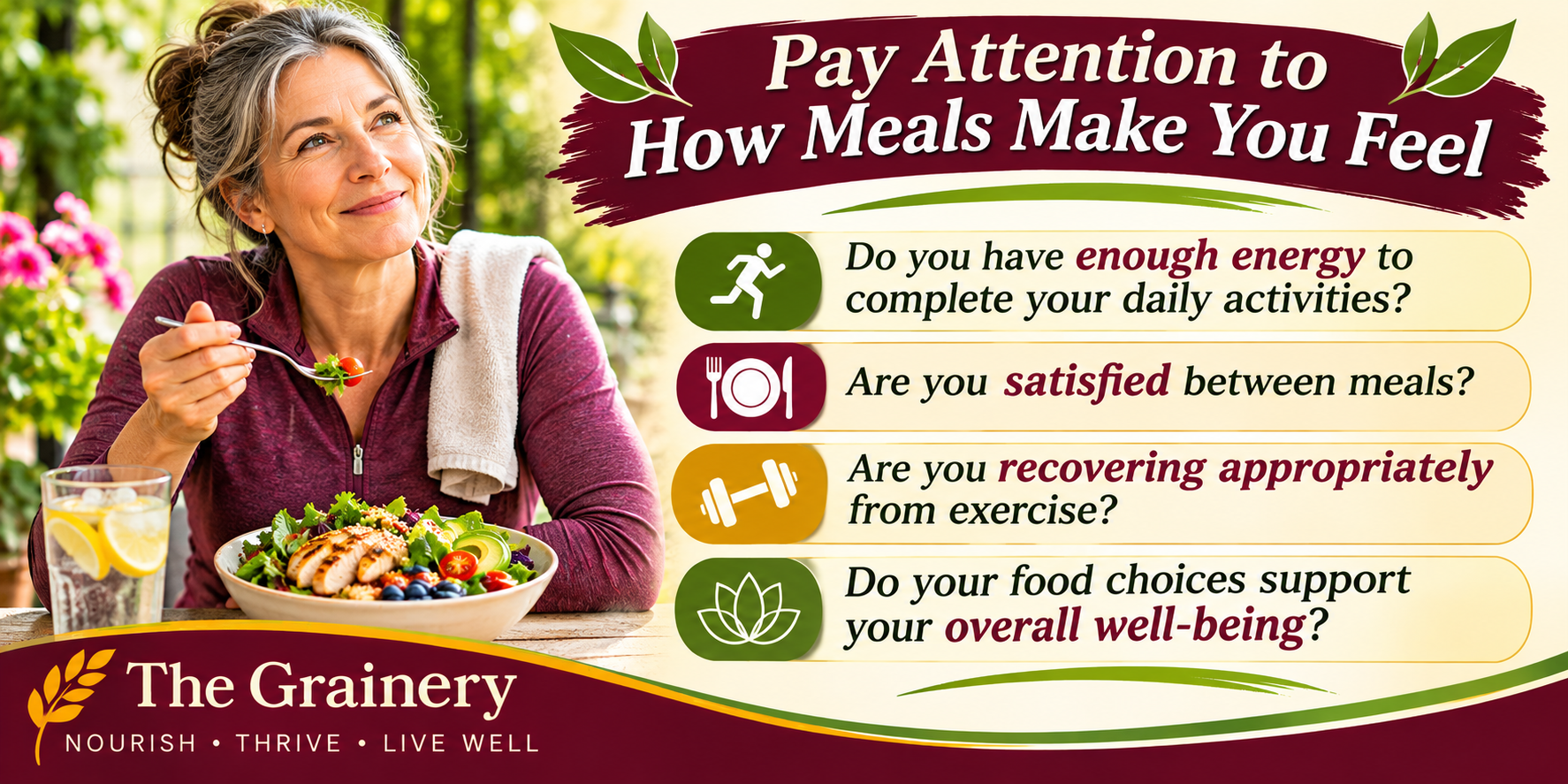
It is also helpful to pay attention to how meals make you feel. Do you have enough energy to complete your daily activities? Are you satisfied between meals? Are you recovering appropriately from exercise? Do your food choices support your overall well-being?
These observations can provide useful feedback, although they do not replace professional medical advice or laboratory testing when those are needed. The goal is to build a way of eating that supports your life rather than allowing rigid food rules to control it.
Bringing Balanced Eating Into Our Community
Living in Wisconsin gives us opportunities to enjoy a wide range of seasonal ingredients, from fresh summer greens and berries to autumn squash, apples, potatoes, and root vegetables. Incorporating seasonal produce into balanced meals can make cooking more interesting while helping us connect with the farmers and producers in our region.
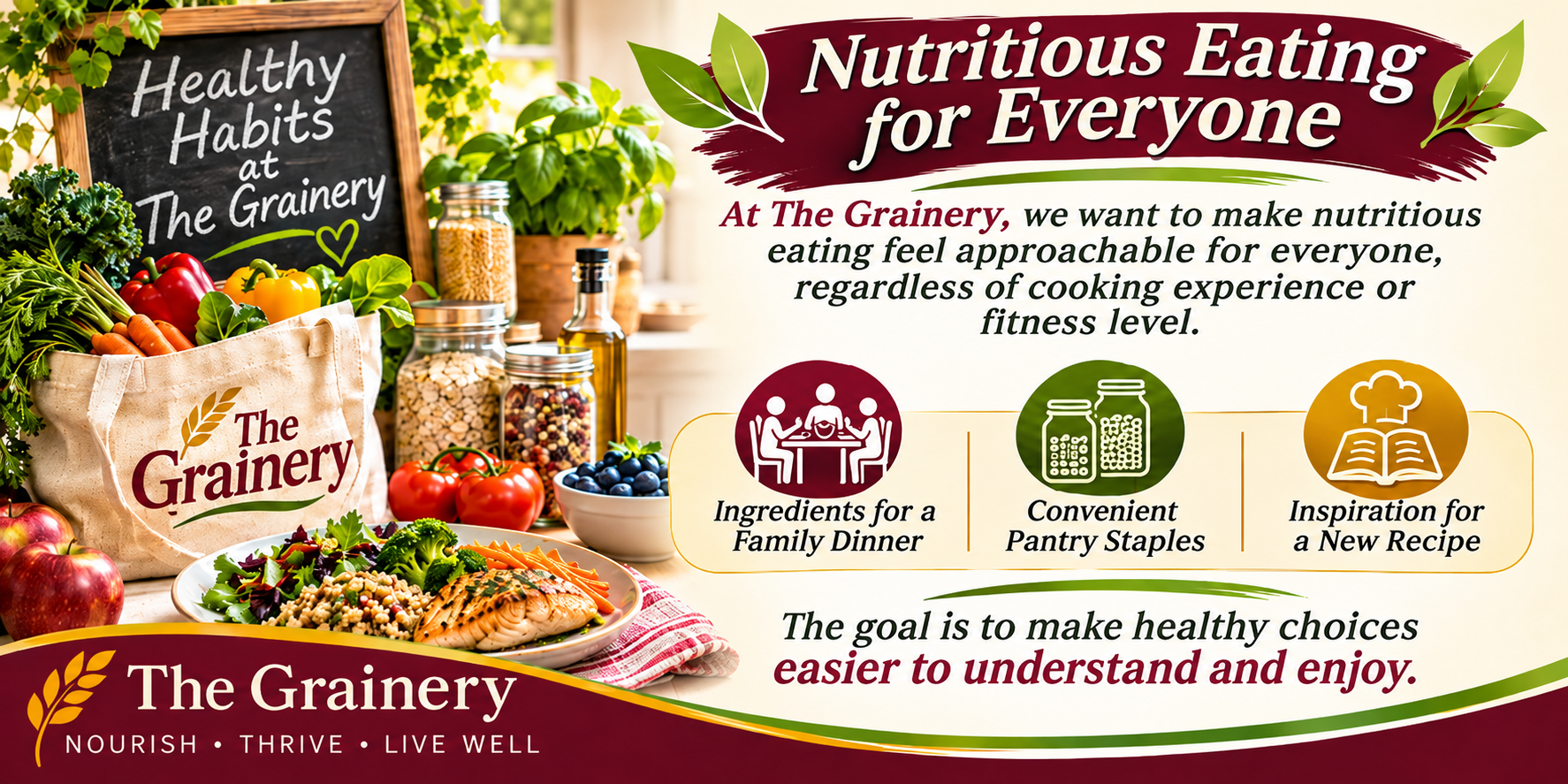
At The Grainery, we want to make Healthy Habits, nutritious eating feel approachable for everyone, regardless of cooking experience or fitness level. Whether you are looking for ingredients for a family dinner, convenient pantry staples, or inspiration for a new recipe, the goal is to make healthy choices easier to understand and enjoy.
Building a balanced meal is ultimately about combining nourishment with practicality. It means choosing a variety of foods, understanding the role of different nutrients, and creating meals that fit your individual needs. It also means remembering that food should be something we enjoy, not something we constantly worry about.
If there is one lesson I hope people take away, it is that healthy eating does not require a complete lifestyle overhaul. Begin with one meal, make a few thoughtful choices, and continue building from there. Over time, those small decisions can create a sustainable pattern that supports your health for years to come.
A balanced meal is not defined by perfection. It is defined by variety, nourishment, enjoyment, and the ability to make healthy choices consistently.